THE ADVENTURE COLLECTIVE® · Independent discovery and booking for outdoor travel

Three days of game drives, tented-camp nights and close encounters with the Big Five—this Maasai Mara safari departs Nairobi for concentrated wildlife viewing in one of Africa’s premier reserves. Read on for what to expect, packing tips and timing advice.
Three days of game drives, tented-camp nights and close encounters with the Big Five—this Maasai Mara safari departs Nairobi for concentrated wildlife viewing in one of Africa’s premier reserves. Read on for what to expect, packing tips and timing advice.
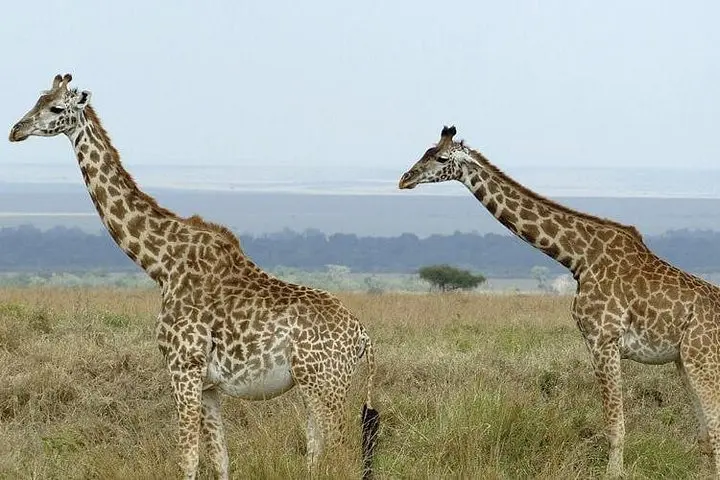
The sun lifts slowly over open savannah; a 4x4 rumbles across red-dust tracks and the Mara river glints ahead as herds dot the plain. This three-day circuit moves you from Nairobi’s city edge through the Rift Valley floor and into the heart of Maasai Mara, where safari days are measured by sightings and light.
Verified experiences and guided adventures in the surrounding area.
Operated by simba paka safaris · Narok, Narok County
The sun lifts slowly over open savannah; a 4x4 rumbles across red-dust tracks and the Mara river glints ahead as herds dot the plain. This three-day circuit moves you from Nairobi’s city edge through the Rift Valley floor and into the heart of Maasai Mara, where safari days are measured by sightings and light.
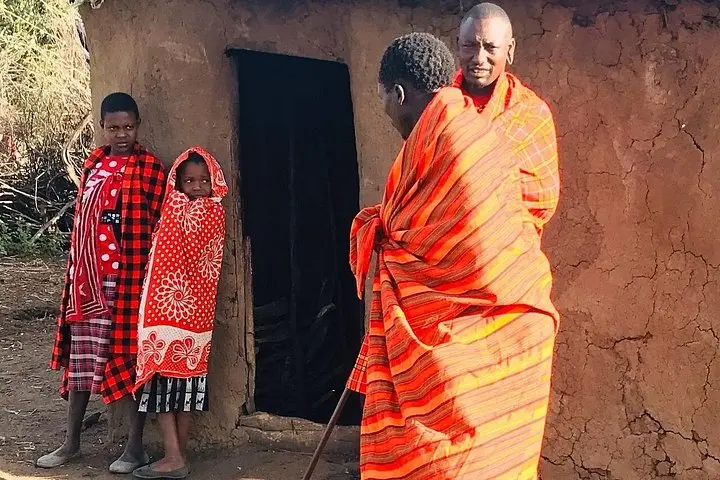
Geologically the Mara is the continuation of the Serengeti ecosystem—rolling grasslands cut by seasonal rivers and low escarpments shaped by the Rift. Culturally the reserve sits on ancestral Maasai land; many camps work with local communities and visits to a Maasai village (optional) offer a window into semi-nomadic life and beadwork traditions.
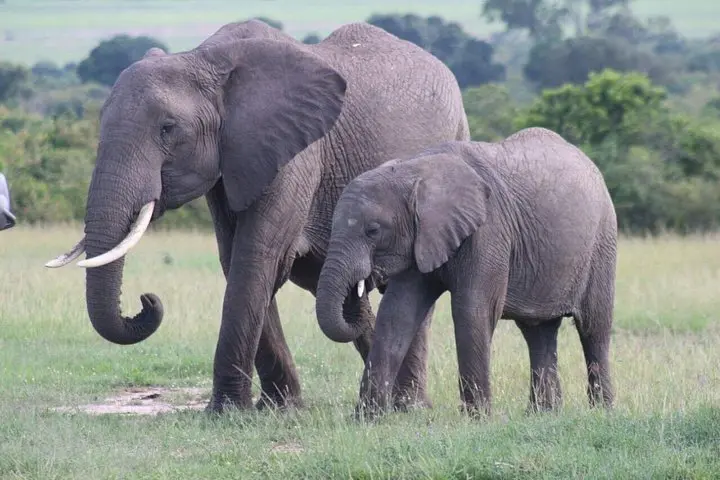
Expect full- and half-day game drives from a pop-up roof 4x4, tented or lodge accommodation on full board, and flexible schedules timed to dawn and dusk when predators and plains game are most active. Wildlife highlights include lion prides, large elephant family groups, and vast grazing herds; river crossings during migration add drama in season.
Practical guidance: travel time from Nairobi is ~5–6 hours by road each way—plan for early departures and a relaxed final day. Bring layered clothing for cool mornings and hot afternoons, a refillable water bottle, a good pair of binoculars, and neutral-colored clothing to reduce visual contrast with animals. Cameras with zoom lenses and spare batteries are essential; vehicle charging may be limited.
Timing: the dry season (June–October) concentrates game and offers the best visibility, while the shoulder months provide lush scenery and fewer vehicles. Respect park rules, keep windows up near dangerous animals, and follow your guide’s instructions for the safest and most productive drives.
Expect approximately 5–6 hours each way by road depending on traffic and stops; some operators offer optional flights to Mara airstrips.
Check the booking details—many packages include transport and accommodation but may exclude government park entry and conservancy fees which can be paid locally.
Yes; many camps welcome children and vehicles are family-friendly, but confirm age policies and seat/infant requirements with the operator before booking.
The Mara sees the northern migration peak around July–October, but timing varies year-to-year—check migration forecasts and route reports for current season conditions.
simba paka safaris operates guided outdoor trips and adventures with an emphasis on safety, stewardship, and memorable experiences.
The sun lifts slowly over open savannah; a 4x4 rumbles across red-dust tracks and the Mara river glints ahead as herds dot the plain. This three-day circuit moves you from Nairobi’s city edge through the Rift Valley floor and into the heart of Maasai Mara, where safari days are measured by sightings and light.
The sun lifts slowly over open savannah; a 4x4 rumbles across red-dust tracks and the Mara river glints ahead as herds dot the plain. This three-day circuit moves you from Nairobi’s city edge through the Rift Valley floor and into the heart of Maasai Mara, where safari days are measured by sightings and light.
Geologically the Mara is the continuation of the Serengeti ecosystem—rolling grasslands cut by seasonal rivers and low escarpments shaped by the Rift. Culturally the reserve sits on ancestral Maasai land; many camps work with local communities and visits to a Maasai village (optional) offer a window into semi-nomadic life and beadwork traditions.
Expect full- and half-day game drives from a pop-up roof 4x4, tented or lodge accommodation on full board, and flexible schedules timed to dawn and dusk when predators and plains game are most active. Wildlife highlights include lion prides, large elephant family groups, and vast grazing herds; river crossings during migration add drama in season.
Practical guidance: travel time from Nairobi is ~5–6 hours by road each way—plan for early departures and a relaxed final day. Bring layered clothing for cool mornings and hot afternoons, a refillable water bottle, a good pair of binoculars, and neutral-colored clothing to reduce visual contrast with animals. Cameras with zoom lenses and spare batteries are essential; vehicle charging may be limited.
Timing: the dry season (June–October) concentrates game and offers the best visibility, while the shoulder months provide lush scenery and fewer vehicles. Respect park rules, keep windows up near dangerous animals, and follow your guide’s instructions for the safest and most productive drives.