THE ADVENTURE COLLECTIVE® · Independent discovery and booking for outdoor travel

Three days in the Masai Mara deliver classic East African safari—long game drives in pop-up roof 4x4s, tented or midrange lodge nights, and a front-row seat to the great migration (July–September). Read on for what to expect and how to prepare.
Three days in the Masai Mara deliver classic East African safari—long game drives in pop-up roof 4x4s, tented or midrange lodge nights, and a front-row seat to the great migration (July–September). Read on for what to expect and how to prepare.
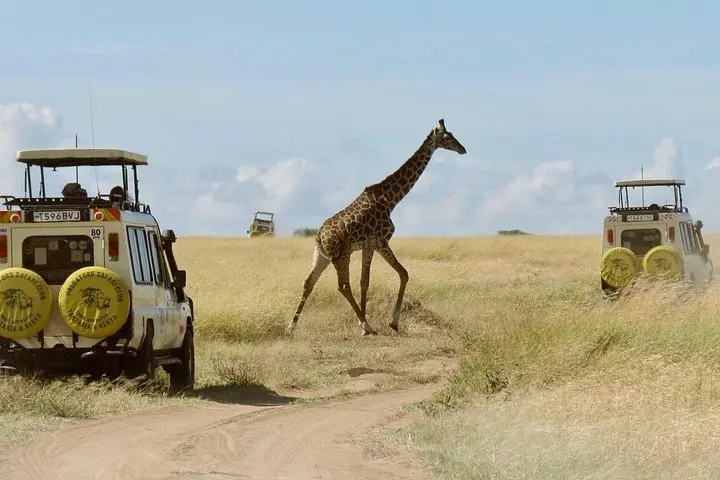
Dawn breaks over rolling golden grass and the pop-up roof of a 4x4 becomes a theater for a thousand small dramas: giraffes threading between acacia, a lion’s silhouette against a cooling sky, and the river that dares the wildebeest to cross.
Verified experiences and guided adventures in the surrounding area.
Operated by African Beast tours and safaris · Masai Mara, Narok County
Dawn breaks over rolling golden grass and the pop-up roof of a 4x4 becomes a theater for a thousand small dramas: giraffes threading between acacia, a lion’s silhouette against a cooling sky, and the river that dares the wildebeest to cross.
The Masai Mara sits on the floor of the Great Rift Valley, roughly 1,500 m above sea level and covering about 1,510 km² of primarily open grassland and riverine woodland. The reserve takes its name from the Maasai people and the Mara River; it has been managed as a wildlife reserve since the mid-20th century and is most famous for the annual wildebeest migration (peaks July–September) when more than a million hooves sweep the plains.
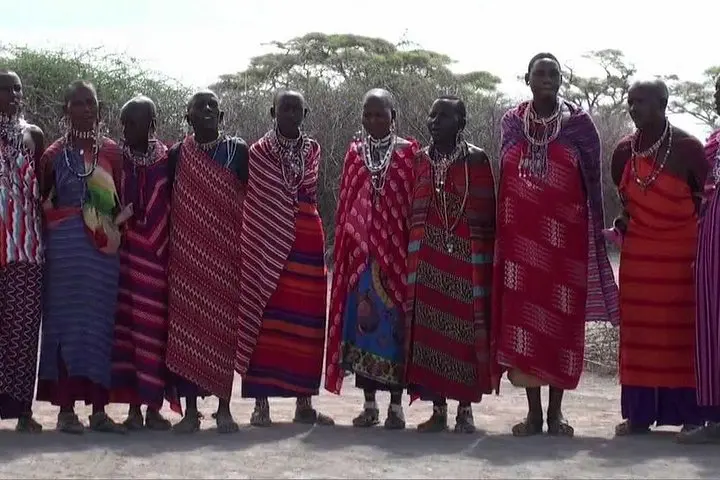
Culturally, a visit often includes a chance to meet Maasai communities in nearby villages and learn about pastoral life; those interactions are optional and should be approached with respect and agreed fees.
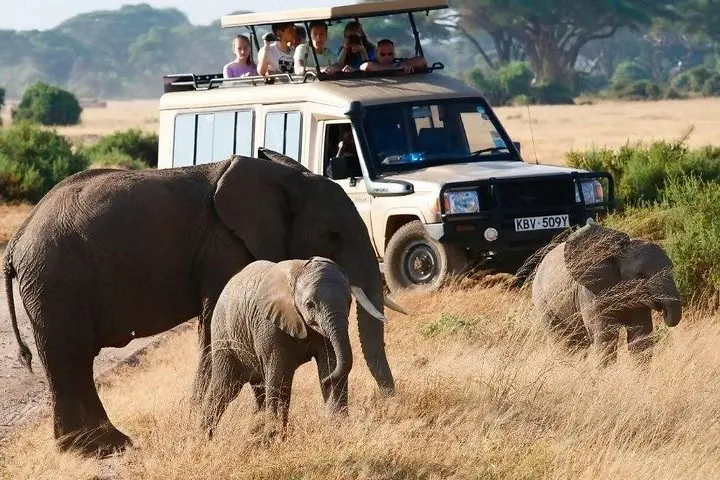
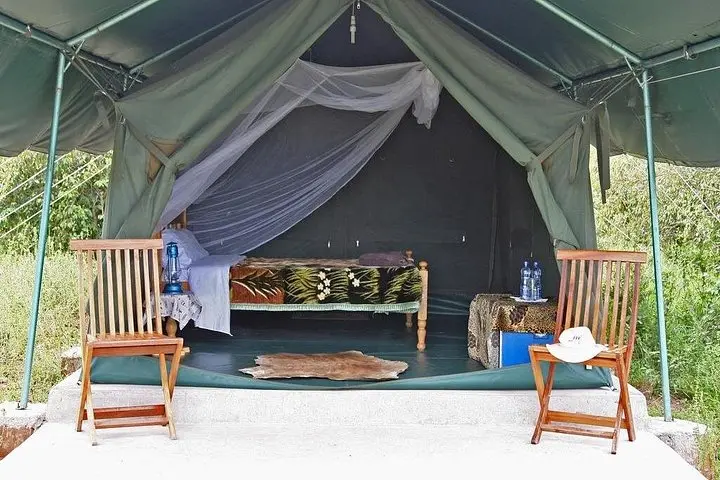
Practically, expect a 5–6 hour drive from Nairobi (≈250–280 km) on day one, long but scenic via Rift Valley viewpoints. Game drives use modified Land Cruiser jeeps with pop-up roofs for photography and close viewing; days can run from pre-dawn to dusk with picnic lunches in the reserve. Pack layers for chilly mornings and hot afternoons, sunscreen, binoculars and a camera with a telephoto lens. Malaria prophylaxis and routine travel vaccines are recommended; this trip is labeled suitable for most fitness levels but not advised for pregnant travelers. Bring cash for optional village visits, tipping, and local purchases. The experience is straightforward: long hours in a jeep rewarded by intimate wildlife encounters, vast horizons, and nights at tented camps or midrange lodges under wide African skies.
Expect about 5–6 hours by road (≈250–280 km) with a scenic stop at a Rift Valley viewpoint; times vary with traffic and road conditions.
Peak crossing months are typically July through September, though parts of the migration occur from June to October depending on rains.
Yes—safaris are family-friendly but check age restrictions with the operator and consider long drives and early starts when planning with young children.
Yes—the trip offers budget tent options with the ability to upgrade to midrange luxury tents or lodges; confirm availability and cost when booking.
African Beast tours and safaris operates guided outdoor trips and adventures with an emphasis on safety, stewardship, and memorable experiences.
Dawn breaks over rolling golden grass and the pop-up roof of a 4x4 becomes a theater for a thousand small dramas: giraffes threading between acacia, a lion’s silhouette against a cooling sky, and the river that dares the wildebeest to cross.
Dawn breaks over rolling golden grass and the pop-up roof of a 4x4 becomes a theater for a thousand small dramas: giraffes threading between acacia, a lion’s silhouette against a cooling sky, and the river that dares the wildebeest to cross.
The Masai Mara sits on the floor of the Great Rift Valley, roughly 1,500 m above sea level and covering about 1,510 km² of primarily open grassland and riverine woodland. The reserve takes its name from the Maasai people and the Mara River; it has been managed as a wildlife reserve since the mid-20th century and is most famous for the annual wildebeest migration (peaks July–September) when more than a million hooves sweep the plains.
Culturally, a visit often includes a chance to meet Maasai communities in nearby villages and learn about pastoral life; those interactions are optional and should be approached with respect and agreed fees.
Practically, expect a 5–6 hour drive from Nairobi (≈250–280 km) on day one, long but scenic via Rift Valley viewpoints. Game drives use modified Land Cruiser jeeps with pop-up roofs for photography and close viewing; days can run from pre-dawn to dusk with picnic lunches in the reserve. Pack layers for chilly mornings and hot afternoons, sunscreen, binoculars and a camera with a telephoto lens. Malaria prophylaxis and routine travel vaccines are recommended; this trip is labeled suitable for most fitness levels but not advised for pregnant travelers. Bring cash for optional village visits, tipping, and local purchases. The experience is straightforward: long hours in a jeep rewarded by intimate wildlife encounters, vast horizons, and nights at tented camps or midrange lodges under wide African skies.