THE ADVENTURE COLLECTIVE® · Independent discovery and booking for outdoor travel

A compact private itinerary that pairs Cusco’s historic sites and Sacred Valley ruins with a guided visit to Machu Picchu. Ideal for travelers who want a focused, single-weekend plunge into Andean landscapes with minimal logistics.
A compact private itinerary that pairs Cusco’s historic sites and Sacred Valley ruins with a guided visit to Machu Picchu. Ideal for travelers who want a focused, single-weekend plunge into Andean landscapes with minimal logistics.
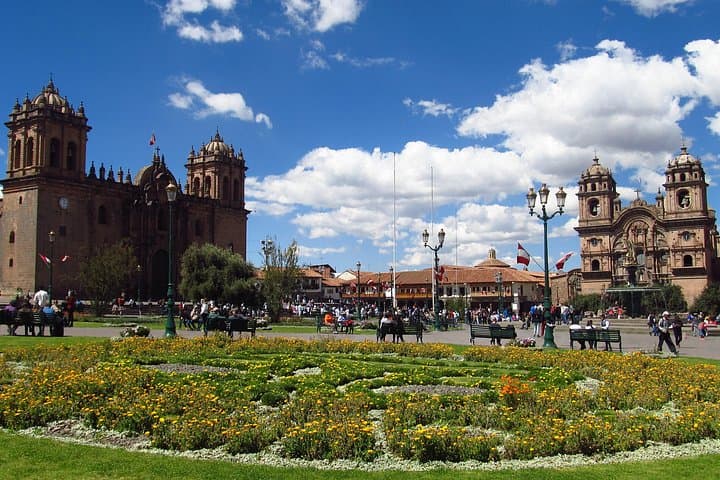
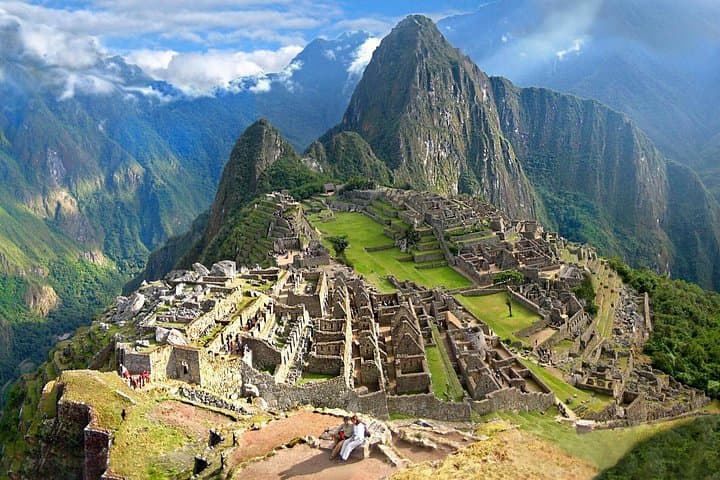
You step out on a Cusco morning when the air is thin and sharp, stone walls still holding heat from the day before. Narrow colonial streets lead to broad Inca foundations; ancient masonry meets painted balconies. Over three days this private express tour moves from city plazas to highland terraces and then down into the cloud-draped citadel of Machu Picchu.
Verified experiences and guided adventures in the surrounding area.
Operated by Valencia Travel Agency S.a.c. · Cusco, Cusco
You step out on a Cusco morning when the air is thin and sharp, stone walls still holding heat from the day before. Narrow colonial streets lead to broad Inca foundations; ancient masonry meets painted balconies. Over three days this private express tour moves from city plazas to highland terraces and then down into the cloud-draped citadel of Machu Picchu.
Cusco sits at about 3,400 m, an old imperial capital shaped by Inca engineering and Spanish colonial overlay. The Sacred Valley, carved by the Urubamba River, hosts farming terraces at Pisac, the living fortress of Ollantaytambo and the textile town of Chincheros—each a chapter in Andean history and hydrological ingenuity. A four-hour train ride threads the valley and narrows into the subtropical greenery that climbs toward Aguas Calientes; a short 20-minute bus climb brings you to Machu Picchu at roughly 2,430 m. The stone platforms and ceremonial spaces reflect 15th-century Inca planning, and the trail surfaces range from carved steps to packed dirt with abrupt drops and switchbacks.
Expect two hours of guided exploration inside the Sanctuary followed by self-guided time. Practicalities: mornings are best for light, photography and smaller crowds; bring layers for rapid temperature swings, sun protection for exposed terraces, and water for steep stairs. Moderate fitness and steady footing are required—altitude and uneven terrain are the real challenges here. Travel respectfully: stay on marked paths, follow guides’ timings, and leave no trace to protect this UNESCO site for the next traveler.
Yes—entrance to Machu Picchu and the guided visit are included in this private tour package.
The site involves uneven stone steps and slopes; the guided portion is about two hours with additional free time—moderate mobility is required.
Yes—official entry to Machu Picchu requires a passport that matches the name on your ticket; bring it for verification.
Altitude can affect visitors; allow time in Cusco to acclimatize, hydrate, avoid alcohol, and consider medication after consulting a doctor.
Valencia Travel Agency S.a.c. operates guided outdoor trips and adventures with an emphasis on safety, stewardship, and memorable experiences.


You step out on a Cusco morning when the air is thin and sharp, stone walls still holding heat from the day before. Narrow colonial streets lead to broad Inca foundations; ancient masonry meets painted balconies. Over three days this private express tour moves from city plazas to highland terraces and then down into the cloud-draped citadel of Machu Picchu.
You step out on a Cusco morning when the air is thin and sharp, stone walls still holding heat from the day before. Narrow colonial streets lead to broad Inca foundations; ancient masonry meets painted balconies. Over three days this private express tour moves from city plazas to highland terraces and then down into the cloud-draped citadel of Machu Picchu.
Cusco sits at about 3,400 m, an old imperial capital shaped by Inca engineering and Spanish colonial overlay. The Sacred Valley, carved by the Urubamba River, hosts farming terraces at Pisac, the living fortress of Ollantaytambo and the textile town of Chincheros—each a chapter in Andean history and hydrological ingenuity. A four-hour train ride threads the valley and narrows into the subtropical greenery that climbs toward Aguas Calientes; a short 20-minute bus climb brings you to Machu Picchu at roughly 2,430 m. The stone platforms and ceremonial spaces reflect 15th-century Inca planning, and the trail surfaces range from carved steps to packed dirt with abrupt drops and switchbacks.
Expect two hours of guided exploration inside the Sanctuary followed by self-guided time. Practicalities: mornings are best for light, photography and smaller crowds; bring layers for rapid temperature swings, sun protection for exposed terraces, and water for steep stairs. Moderate fitness and steady footing are required—altitude and uneven terrain are the real challenges here. Travel respectfully: stay on marked paths, follow guides’ timings, and leave no trace to protect this UNESCO site for the next traveler.