THE ADVENTURE COLLECTIVE® · Independent discovery and booking for outdoor travel

Three intense days tie together Humantay’s alpine lake, the citadel of Machu Picchu, and the striped slopes of Rainbow Mountain. Expect high‑altitude hiking, varied terrain, and full logistics handled by your operator.
Three intense days tie together Humantay’s alpine lake, the citadel of Machu Picchu, and the striped slopes of Rainbow Mountain. Expect high‑altitude hiking, varied terrain, and full logistics handled by your operator.
Pre-dawn light slices the Andes as a minivan threads toward Soraypampa; frost clings to puna grass and the mountains dare you higher. On day one you climb toward Humantay Lake, a shock of turquoise at roughly 13,800 ft (4,200 m), where wind and stone set the pace and the sky seems close enough to touch.
Verified experiences and guided adventures in the surrounding area.
Operated by Peru Like · Cusco, Cusco
Pre-dawn light slices the Andes as a minivan threads toward Soraypampa; frost clings to puna grass and the mountains dare you higher. On day one you climb toward Humantay Lake, a shock of turquoise at roughly 13,800 ft (4,200 m), where wind and stone set the pace and the sky seems close enough to touch.
The second day trades alpine scrub for cloud-forest and the thin, engineered stonework of the Inca. Machu Picchu sits at about 2,430 m, its terraces and ramps revealing geology of uplifted riverbeds and a cultural landscape shaped by centuries of Quechua life and Spanish contact. The final day heads to Vinicunca (Rainbow Mountain), where exposed mineral strata—iron, copper, and manganese—give the ridgeline stripes that appear painted across an otherwise severe high plain.
These places are linked by Andean history and modern logistics: train transit to Aguas Calientes, bus climbs to the citadel, and hours on roads that follow river corridors. Expect sharp altitude swings—the route moves from Cusco’s 3,400 m baseline up to 5,200 m on some Rainbow Mountain trails—so acclimatization, steady pacing, and hydration matter.
Practically: travel light layers, carry water and snacks, use sun protection, and allow time for gentle walking the first day to adjust. Guides handle permits, transport, and most meals, but bring cash for small purchases and tip your guide. Weather shifts quickly—be ready for sun, wind, and sudden rain—and respect fragile high‑altitude ecosystems by sticking to trails and packing out waste.
Yes—altitude is the main concern. Spend a day in Cusco before high hikes, hydrate, avoid heavy meals and alcohol, and consider medication after consulting your doctor.
This tour lists Machu Picchu entrances and train tickets as included; confirm your specific departure times and ticket class when booking.
Both are steep uphills at high elevation; Humantay is shorter (~2 hours up), Rainbow Mountain often involves 1.5–3 hours depending on pace—expect heavy breathing and regular breaks.
Two lunches are included, but bring snacks, electrolytes, and 2–3 liters of water per day. Small purchases available but limited in remote sections.
Peru Like operates guided outdoor trips and adventures with an emphasis on safety, stewardship, and memorable experiences.


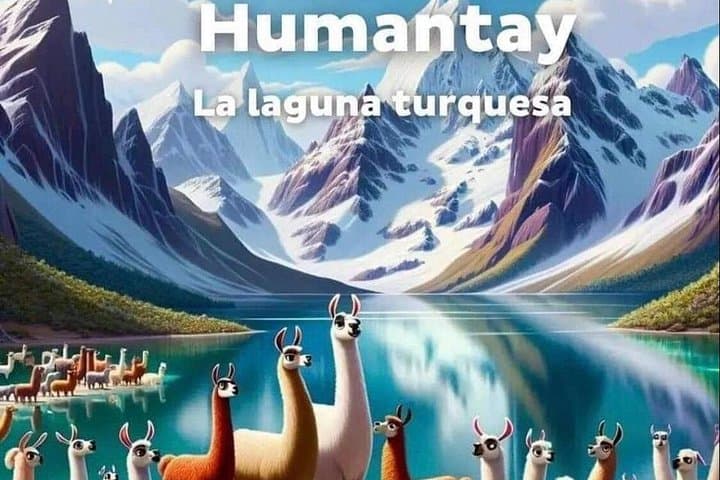
Pre-dawn light slices the Andes as a minivan threads toward Soraypampa; frost clings to puna grass and the mountains dare you higher. On day one you climb toward Humantay Lake, a shock of turquoise at roughly 13,800 ft (4,200 m), where wind and stone set the pace and the sky seems close enough to touch.
Pre-dawn light slices the Andes as a minivan threads toward Soraypampa; frost clings to puna grass and the mountains dare you higher. On day one you climb toward Humantay Lake, a shock of turquoise at roughly 13,800 ft (4,200 m), where wind and stone set the pace and the sky seems close enough to touch.
The second day trades alpine scrub for cloud-forest and the thin, engineered stonework of the Inca. Machu Picchu sits at about 2,430 m, its terraces and ramps revealing geology of uplifted riverbeds and a cultural landscape shaped by centuries of Quechua life and Spanish contact. The final day heads to Vinicunca (Rainbow Mountain), where exposed mineral strata—iron, copper, and manganese—give the ridgeline stripes that appear painted across an otherwise severe high plain.
These places are linked by Andean history and modern logistics: train transit to Aguas Calientes, bus climbs to the citadel, and hours on roads that follow river corridors. Expect sharp altitude swings—the route moves from Cusco’s 3,400 m baseline up to 5,200 m on some Rainbow Mountain trails—so acclimatization, steady pacing, and hydration matter.
Practically: travel light layers, carry water and snacks, use sun protection, and allow time for gentle walking the first day to adjust. Guides handle permits, transport, and most meals, but bring cash for small purchases and tip your guide. Weather shifts quickly—be ready for sun, wind, and sudden rain—and respect fragile high‑altitude ecosystems by sticking to trails and packing out waste.