THE ADVENTURE COLLECTIVE® · Independent discovery and booking for outdoor travel

A compact, three-day shore excursion that connects Salaverry Port with a guided visit to Machu Picchu via Cusco and the scenic train to Aguas Calientes. Ideal for cruise passengers who want an organized, overnight approach to the citadel without paying cruise-line premiums.
A compact, three-day shore excursion that connects Salaverry Port with a guided visit to Machu Picchu via Cusco and the scenic train to Aguas Calientes. Ideal for cruise passengers who want an organized, overnight approach to the citadel without paying cruise-line premiums.
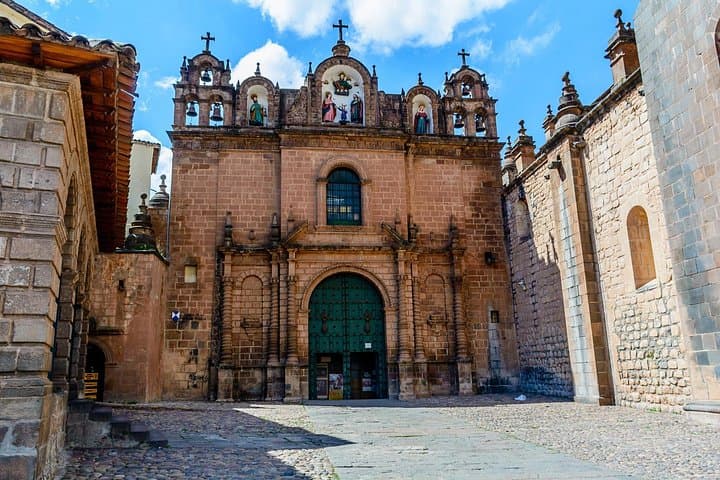
Dawn finds the coach threading out of Salaverry toward Trujillo’s airport, the Pacific light still low on the cacti-studded scrub. The trip unfolds quickly: a morning flight to highland Cusco, an overnight to loosen legs and acclimatize, then an early train into the cloud forest and the slow reveal of Machu Picchu’s terraces and stone streets.
Verified experiences and guided adventures in the surrounding area.
Operated by JD ADVENTURE TRAVEL · Cusco, Cusco
Dawn finds the coach threading out of Salaverry toward Trujillo’s airport, the Pacific light still low on the cacti-studded scrub. The trip unfolds quickly: a morning flight to highland Cusco, an overnight to loosen legs and acclimatize, then an early train into the cloud forest and the slow reveal of Machu Picchu’s terraces and stone streets.
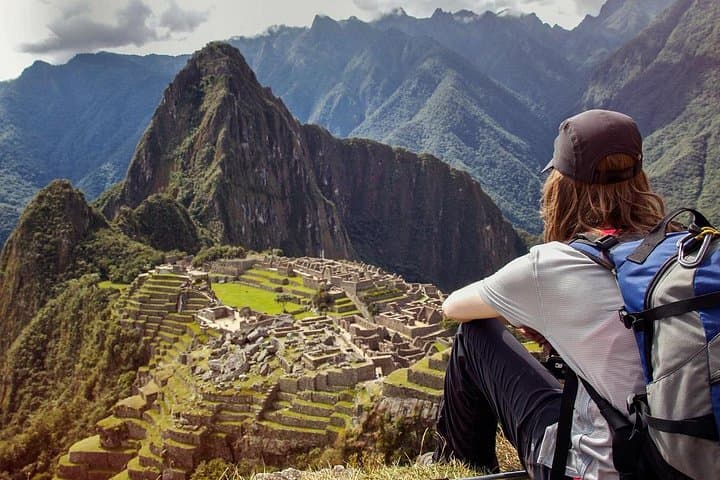
Machu Picchu was built around 1450 during the Inca apogee and abandoned within a century following the Spanish conquest; the stonework and terraces reflect both agricultural ingenuity and shrewd siting where mountain, river and weather meet. Geologically this is a frontier where Andean bedrock gives way to steep, rain-fed canyons; the Vilcanota (Urubamba) River carves the valley below and the microclimates produce vivid cloud-forest biodiversity that frequently greets visitors with mist and birdsong.
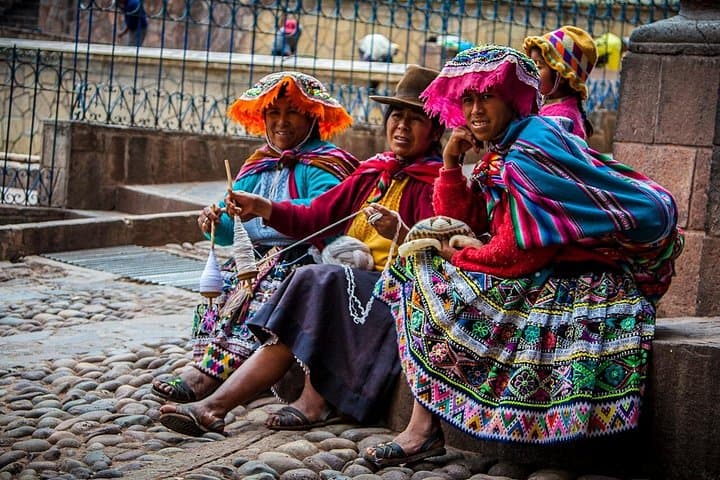
Culturally the site is part ritual center, part agricultural laboratory — terraces, stairways and temples laid into impossible slopes. Local guides interpret the plazas and stone joins, and nearby Aguas Calientes offers warm springs and small artisan markets that support the region.
Practical guidance: carry altitude-aware plans (rest and hydrate in Cusco), expect early departures and train schedules, and allow time for the bus between Aguas Calientes and the citadel. Wear grippy footwear for wet stone steps and pack a light rain shell; mornings are cool and afternoons can turn humid.
This three-day shore excursion moves fast but gives two nights’ lodging in Cusco, round-trip trains to Aguas Calientes, guided time inside Machu Picchu and private transfers timed to reconnect with your ship.
The operator requests notice of significant delays; transfers and reconnection options are included if internal flight or transfer delays affect your return to the ship.
Infants must sit on an adult’s lap; the itinerary involves long travel days and elevation changes—consider the child’s tolerance for travel and altitude.
Yes—return train tickets between Cusco and Aguas Calientes and the tourist bus between Aguas Calientes and Machu Picchu are included in the package.
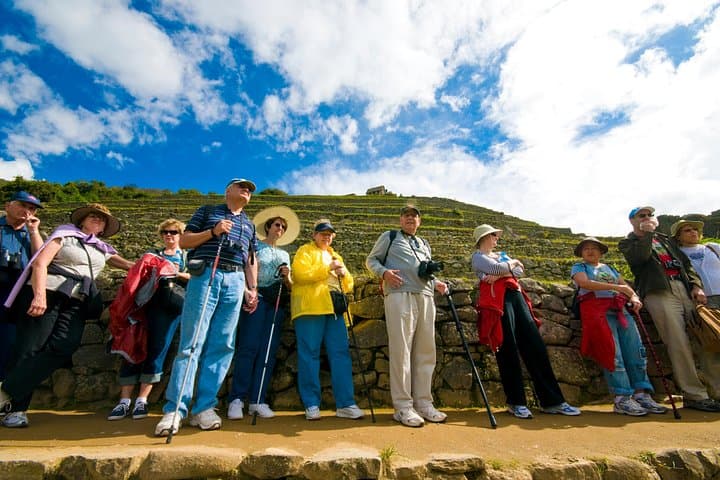
Yes—after a guided two-hour walk, you’ll have additional time to explore on your own and photograph the site before returning to the train.
JD ADVENTURE TRAVEL operates guided outdoor trips and adventures with an emphasis on safety, stewardship, and memorable experiences.
Dawn finds the coach threading out of Salaverry toward Trujillo’s airport, the Pacific light still low on the cacti-studded scrub. The trip unfolds quickly: a morning flight to highland Cusco, an overnight to loosen legs and acclimatize, then an early train into the cloud forest and the slow reveal of Machu Picchu’s terraces and stone streets.
Dawn finds the coach threading out of Salaverry toward Trujillo’s airport, the Pacific light still low on the cacti-studded scrub. The trip unfolds quickly: a morning flight to highland Cusco, an overnight to loosen legs and acclimatize, then an early train into the cloud forest and the slow reveal of Machu Picchu’s terraces and stone streets.
Machu Picchu was built around 1450 during the Inca apogee and abandoned within a century following the Spanish conquest; the stonework and terraces reflect both agricultural ingenuity and shrewd siting where mountain, river and weather meet. Geologically this is a frontier where Andean bedrock gives way to steep, rain-fed canyons; the Vilcanota (Urubamba) River carves the valley below and the microclimates produce vivid cloud-forest biodiversity that frequently greets visitors with mist and birdsong.
Culturally the site is part ritual center, part agricultural laboratory — terraces, stairways and temples laid into impossible slopes. Local guides interpret the plazas and stone joins, and nearby Aguas Calientes offers warm springs and small artisan markets that support the region.
Practical guidance: carry altitude-aware plans (rest and hydrate in Cusco), expect early departures and train schedules, and allow time for the bus between Aguas Calientes and the citadel. Wear grippy footwear for wet stone steps and pack a light rain shell; mornings are cool and afternoons can turn humid.
This three-day shore excursion moves fast but gives two nights’ lodging in Cusco, round-trip trains to Aguas Calientes, guided time inside Machu Picchu and private transfers timed to reconnect with your ship.