THE ADVENTURE COLLECTIVE® · Independent discovery and booking for outdoor travel

Swap Chiang Mai’s bustle for three days of bamboo rafting, jungle treks and nights in Karen village huts. This Mae Wang route mixes waterfalls and cultural exchange with moderate hiking and simple accommodation.
Swap Chiang Mai’s bustle for three days of bamboo rafting, jungle treks and nights in Karen village huts. This Mae Wang route mixes waterfalls and cultural exchange with moderate hiking and simple accommodation.
Morning mist lifts off the Mae Wang valley and the river takes on a pale, restless glow—bamboo rafts cut through it like quiet invitations. On day one travelers leave Chiang Mai on a truck, trade city noise for forest sounds, and push off on a 40-minute bamboo raft before hiking into lowland rainforest toward a waterfall and a Karen hill‑tribe village.
Verified experiences and guided adventures in the surrounding area.
Operated by Sightseeingbangkok.com · Mae Wang, Chiang Mai
Morning mist lifts off the Mae Wang valley and the river takes on a pale, restless glow—bamboo rafts cut through it like quiet invitations. On day one travelers leave Chiang Mai on a truck, trade city noise for forest sounds, and push off on a 40-minute bamboo raft before hiking into lowland rainforest toward a waterfall and a Karen hill‑tribe village.
The basin sits on sandstone and shale outcrops carved by seasonal streams; trails follow old logging routes and animal paths rather than engineered switchbacks. The Karen people have inhabited these slopes for generations and maintain rice terraces, woven crafts, and a living oral history that guides village life. Geology and culture meet at the waterfall: a natural plunge pool fed by monsoon runoff where visitors can swim and cool off.
Expect 6–10 km of walking per day with moderate elevation changes (typically 200–600 m cumulative gain across the trek). Paths vary from compact dirt to slippery roots after rain; bamboo huts and village homestays are simple but clean, with basic facilities and communal meals included.
Practical guidance: travel light—pack quick‑dry clothing, sturdy hiking shoes, and a small daypack with 2–3 liters of water or a filtration option. Start early to avoid midday heat and plan for rain between May and October. Be prepared for basic sanitation and to remove shoes when visiting village homes out of respect. Guides arrange transfers and most meals; carry cash for small purchases or donations.
This trip balances easy cultural access with genuine backcountry walking—an accessible three‑day immersion for hikers who want terrain, water, and local connection without technical climbing.
Moderate—expect uneven trails, some uphill sections, and multiple 2–3 hour walking segments per day; basic fitness and surefootedness are recommended.
Accommodation alternates between simple Karen homestays and bamboo huts near the waterfall with shared bathrooms; bring toiletries and light sleeping layers.
Rafts are guided and generally calm; life vests are provided—non‑swimmers should still use a vest and follow the guide’s instructions.
Dry season (November–February) offers the most comfortable weather and firmer trails; waterfalls are fullest during/after the rainy season (May–October) but trails can be muddy.
Sightseeingbangkok.com operates guided outdoor trips and adventures with an emphasis on safety, stewardship, and memorable experiences.
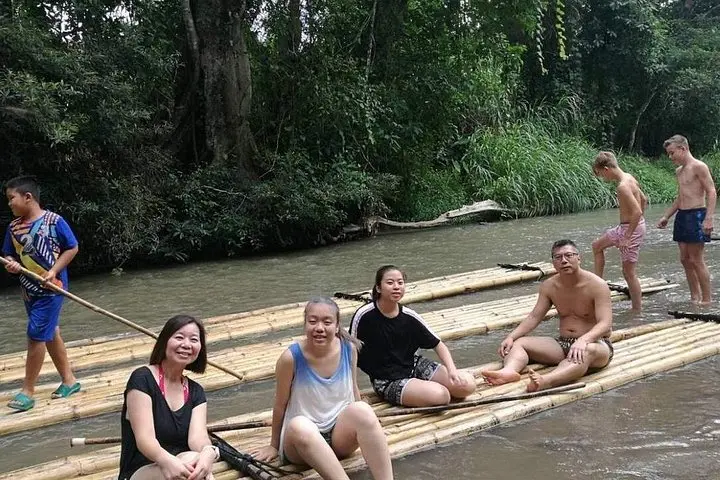
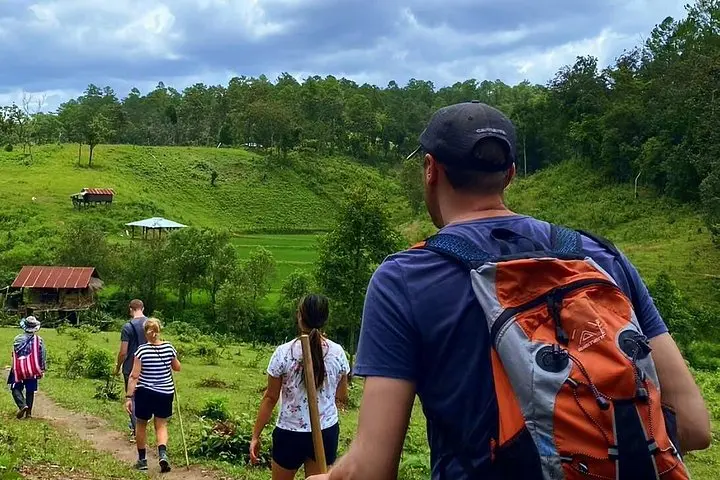
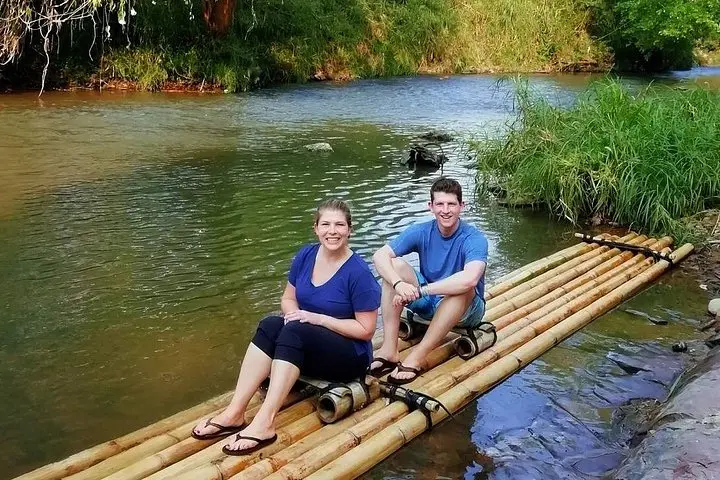
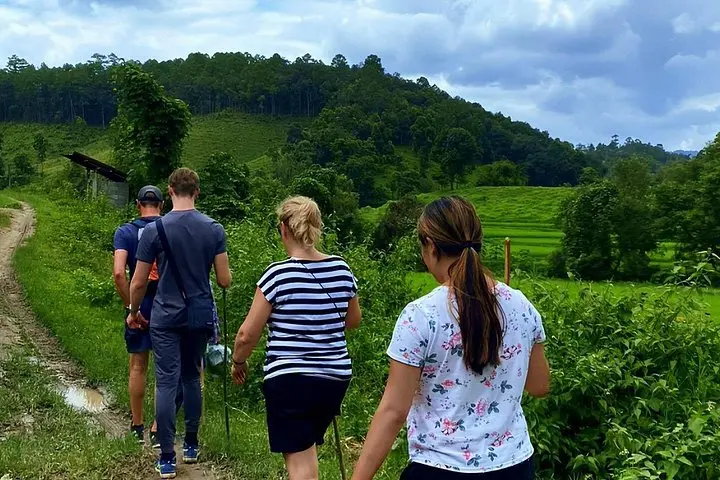
Morning mist lifts off the Mae Wang valley and the river takes on a pale, restless glow—bamboo rafts cut through it like quiet invitations. On day one travelers leave Chiang Mai on a truck, trade city noise for forest sounds, and push off on a 40-minute bamboo raft before hiking into lowland rainforest toward a waterfall and a Karen hill‑tribe village.
Morning mist lifts off the Mae Wang valley and the river takes on a pale, restless glow—bamboo rafts cut through it like quiet invitations. On day one travelers leave Chiang Mai on a truck, trade city noise for forest sounds, and push off on a 40-minute bamboo raft before hiking into lowland rainforest toward a waterfall and a Karen hill‑tribe village.
The basin sits on sandstone and shale outcrops carved by seasonal streams; trails follow old logging routes and animal paths rather than engineered switchbacks. The Karen people have inhabited these slopes for generations and maintain rice terraces, woven crafts, and a living oral history that guides village life. Geology and culture meet at the waterfall: a natural plunge pool fed by monsoon runoff where visitors can swim and cool off.
Expect 6–10 km of walking per day with moderate elevation changes (typically 200–600 m cumulative gain across the trek). Paths vary from compact dirt to slippery roots after rain; bamboo huts and village homestays are simple but clean, with basic facilities and communal meals included.
Practical guidance: travel light—pack quick‑dry clothing, sturdy hiking shoes, and a small daypack with 2–3 liters of water or a filtration option. Start early to avoid midday heat and plan for rain between May and October. Be prepared for basic sanitation and to remove shoes when visiting village homes out of respect. Guides arrange transfers and most meals; carry cash for small purchases or donations.
This trip balances easy cultural access with genuine backcountry walking—an accessible three‑day immersion for hikers who want terrain, water, and local connection without technical climbing.