THE ADVENTURE COLLECTIVE® · Independent discovery and booking for outdoor travel

Experience Mapungubwe’s dramatic confluence of river, culture and wildlife on a three-day small-group safari. Visit Mapungubwe Hill, the tree-top walk and game-rich floodplain while learning the archaeology and geology that shaped this border landscape.
Experience Mapungubwe’s dramatic confluence of river, culture and wildlife on a three-day small-group safari. Visit Mapungubwe Hill, the tree-top walk and game-rich floodplain while learning the archaeology and geology that shaped this border landscape.
Wind scours the low koppies and the Limpopo slides past like an old border story — wide, slow, and insistent. On arrival at Mapungubwe National Park you step out where three countries meet and the air smells of riverine reed and dry mopane, the horizon punctuated by Mapungubwe Hill rising in ochre layers.
Verified experiences and guided adventures in the surrounding area.
Operated by lukunda shuttle services · Musina, Limpopo
Wind scours the low koppies and the Limpopo slides past like an old border story — wide, slow, and insistent. On arrival at Mapungubwe National Park you step out where three countries meet and the air smells of riverine reed and dry mopane, the horizon punctuated by Mapungubwe Hill rising in ochre layers.
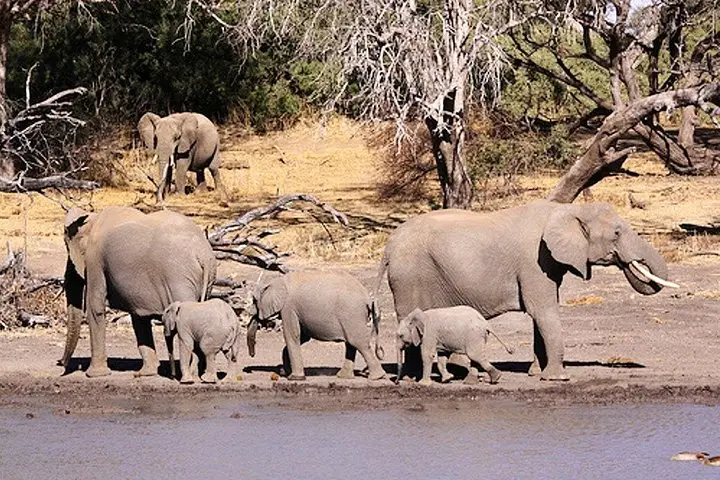
This three-day small-group safari pairs game drives with cultural layers: Mapungubwe Hill is a UNESCO World Heritage site once home to a sophisticated Iron Age kingdom that traded across the region. Geologically the park sits on ancient Karoo sediments and sandstone outcrops; elephant and rhino shape riverbanks while baobabs keep their slow watch. Bird hides at Malotswa give close views of riparian species, and a tree-top walk offers a new angle on the savanna canopy.
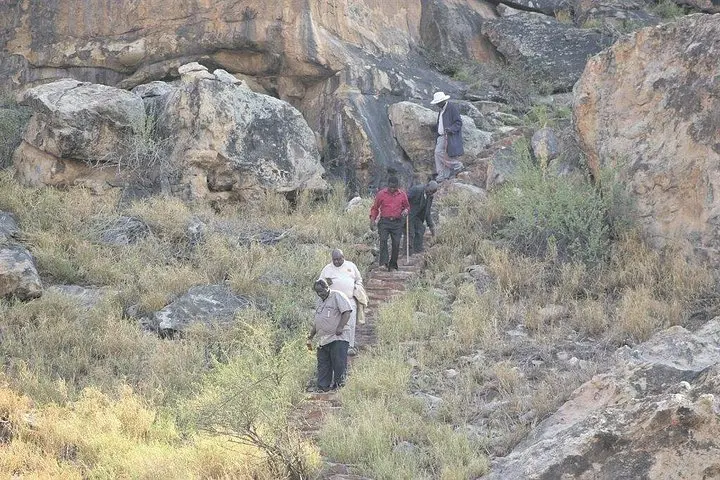
Expect early-morning and late-afternoon drives when mammals are most active, interpretive stops at the heritage site, and evenings at Leokwe Rest Camp. Guides explain archaeological finds and point out how geology determined settlement and trade routes. Terrain is mostly graded park tracks; unsealed roads can be corrugated after rain.
Practical: bring neutral-colored clothing, a good pair of binoculars and sun protection, and a refillable water bottle. Roads can be dusty and game sightings are weather- and season-dependent; patrol-based wildlife viewing means patience pays. If you’re arriving from Johannesburg, plan for a long drive or arrange an internal transfer; park rules and guided access protect both heritage and wildlife, so follow your guide’s briefing and leave no trace.
Most visitors travel by road—expect a long drive (8–10 hours) or arrange a domestic flight to the nearest airstrip plus transfer; tour operators often include transport.
Yes, the park lies in a malaria-risk zone; consult travel health advice and consider prophylaxis and mosquito precautions, especially in warmer months.
Confirm with the operator—this itinerary typically includes guided visits but check whether national park entrance or UNESCO site fees are covered.
Some rest camp areas and the tree-top walk have limited accessibility; the listing notes wheelchair-accessible options but contact the operator to confirm specific needs.
lukunda shuttle services operates guided outdoor trips and adventures with an emphasis on safety, stewardship, and memorable experiences.
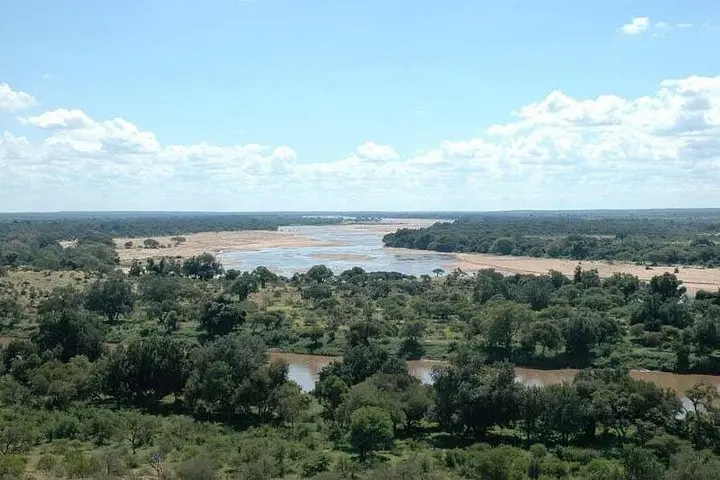
Wind scours the low koppies and the Limpopo slides past like an old border story — wide, slow, and insistent. On arrival at Mapungubwe National Park you step out where three countries meet and the air smells of riverine reed and dry mopane, the horizon punctuated by Mapungubwe Hill rising in ochre layers.
Wind scours the low koppies and the Limpopo slides past like an old border story — wide, slow, and insistent. On arrival at Mapungubwe National Park you step out where three countries meet and the air smells of riverine reed and dry mopane, the horizon punctuated by Mapungubwe Hill rising in ochre layers.
This three-day small-group safari pairs game drives with cultural layers: Mapungubwe Hill is a UNESCO World Heritage site once home to a sophisticated Iron Age kingdom that traded across the region. Geologically the park sits on ancient Karoo sediments and sandstone outcrops; elephant and rhino shape riverbanks while baobabs keep their slow watch. Bird hides at Malotswa give close views of riparian species, and a tree-top walk offers a new angle on the savanna canopy.
Expect early-morning and late-afternoon drives when mammals are most active, interpretive stops at the heritage site, and evenings at Leokwe Rest Camp. Guides explain archaeological finds and point out how geology determined settlement and trade routes. Terrain is mostly graded park tracks; unsealed roads can be corrugated after rain.
Practical: bring neutral-colored clothing, a good pair of binoculars and sun protection, and a refillable water bottle. Roads can be dusty and game sightings are weather- and season-dependent; patrol-based wildlife viewing means patience pays. If you’re arriving from Johannesburg, plan for a long drive or arrange an internal transfer; park rules and guided access protect both heritage and wildlife, so follow your guide’s briefing and leave no trace.