THE ADVENTURE COLLECTIVE® · Independent discovery and booking for outdoor travel

A compact, high‑reward trek from Pokhara to Mardi Himal Base Camp that packs mountain panoramas and rhododendron forests into three days. Expect steep climbs, tea‑house nights, and sunrise views of the Annapurna range.
A compact, high‑reward trek from Pokhara to Mardi Himal Base Camp that packs mountain panoramas and rhododendron forests into three days. Expect steep climbs, tea‑house nights, and sunrise views of the Annapurna range.
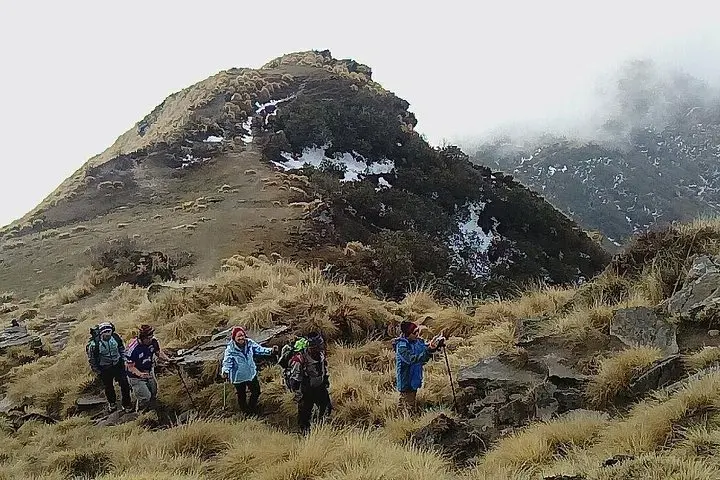
Dawn finds you above a ribbon of cloud, the silhouette of Machapuchare (Fishtail) sharpening as the sun pries light from the Annapurna massif. After a scenic 3‑hour jeep ride out of Pokhara, the trail cuts into rhododendron and mixed forest, climbing through switchbacks that open onto raw, high‑alpine exposures. The reward at High Camp and again at the Mardi Himal Base Camp is not just the view but the scale — an uninterrupted sweep of snowfields and serrated ridgelines.
Verified experiences and guided adventures in the surrounding area.
Operated by Nepal Mountain Club Pvt Ltd · Pokhara, Gandaki Province
Dawn finds you above a ribbon of cloud, the silhouette of Machapuchare (Fishtail) sharpening as the sun pries light from the Annapurna massif. After a scenic 3‑hour jeep ride out of Pokhara, the trail cuts into rhododendron and mixed forest, climbing through switchbacks that open onto raw, high‑alpine exposures. The reward at High Camp and again at the Mardi Himal Base Camp is not just the view but the scale — an uninterrupted sweep of snowfields and serrated ridgelines.
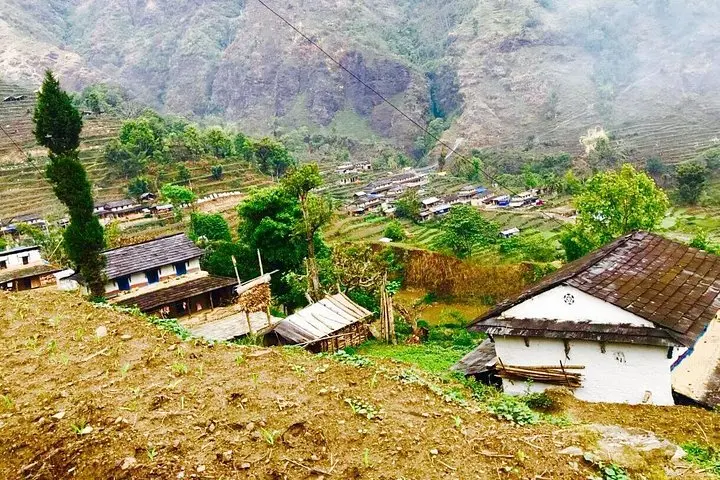
Mardi Himal sits on the eastern flank of the Annapurna range, an area long traveled by Gurung and Magar communities who farm terraced slopes and run the tea houses that support trekkers. Geologically, the trek moves from Siwalik foothills into the Hindu Kush–Himalayan uplift: expect rocky moraine, narrow ridge paths, and glacially scoured bowls as you approach 4,500 meters. Culturally, the tea houses and village stops give a direct line into rural Himalayan life — simple fare, warm hospitality, and layered prayer flags.
Practically, this 3‑day itinerary compresses classic Mardi Himal stages: a jeep to Sidding, a full day to High Camp (steep in places, 4–6 hours), summit push to the base camp (narrow, rocky trails), and a descent back to Siding for the return drive. Altitude is the main objective hazard; pace conservatively, hydrate, and sleep low when possible. Good boots, layered insulation, a rain shell and headlamp are non‑negotiable. Start early for snow‑free trails and morning light on the peaks; expect tea‑house nights, basic facilities, and unforgettable sunrise panoramas.
Paced over three days it’s demanding due to altitude and steep sections; reasonably fit beginners can complete it with proper acclimatization and a gradual pace.
Annapurna Conservation permits are required for the region and local regulations favor employing a licensed guide for safety and navigation.
Basic but hospitable — shared rooms, simple meals, limited hot water and charging for electronics; bring a light sleeping liner for hygiene and extra warmth.
Symptoms can appear above 2,500 m; monitor for headache, nausea or confusion, ascend slowly, hydrate, and descend immediately if symptoms worsen.
Nepal Mountain Club Pvt Ltd operates guided outdoor trips and adventures with an emphasis on safety, stewardship, and memorable experiences.
Dawn finds you above a ribbon of cloud, the silhouette of Machapuchare (Fishtail) sharpening as the sun pries light from the Annapurna massif. After a scenic 3‑hour jeep ride out of Pokhara, the trail cuts into rhododendron and mixed forest, climbing through switchbacks that open onto raw, high‑alpine exposures. The reward at High Camp and again at the Mardi Himal Base Camp is not just the view but the scale — an uninterrupted sweep of snowfields and serrated ridgelines.
Dawn finds you above a ribbon of cloud, the silhouette of Machapuchare (Fishtail) sharpening as the sun pries light from the Annapurna massif. After a scenic 3‑hour jeep ride out of Pokhara, the trail cuts into rhododendron and mixed forest, climbing through switchbacks that open onto raw, high‑alpine exposures. The reward at High Camp and again at the Mardi Himal Base Camp is not just the view but the scale — an uninterrupted sweep of snowfields and serrated ridgelines.
Mardi Himal sits on the eastern flank of the Annapurna range, an area long traveled by Gurung and Magar communities who farm terraced slopes and run the tea houses that support trekkers. Geologically, the trek moves from Siwalik foothills into the Hindu Kush–Himalayan uplift: expect rocky moraine, narrow ridge paths, and glacially scoured bowls as you approach 4,500 meters. Culturally, the tea houses and village stops give a direct line into rural Himalayan life — simple fare, warm hospitality, and layered prayer flags.
Practically, this 3‑day itinerary compresses classic Mardi Himal stages: a jeep to Sidding, a full day to High Camp (steep in places, 4–6 hours), summit push to the base camp (narrow, rocky trails), and a descent back to Siding for the return drive. Altitude is the main objective hazard; pace conservatively, hydrate, and sleep low when possible. Good boots, layered insulation, a rain shell and headlamp are non‑negotiable. Start early for snow‑free trails and morning light on the peaks; expect tea‑house nights, basic facilities, and unforgettable sunrise panoramas.