THE ADVENTURE COLLECTIVE® · Independent discovery and booking for outdoor travel

Cross the High Atlas from Marrakech, sleep under desert skies, and rise to sunrise over Erg Chigaga’s massive dunes. This three-day trip mixes cultural stops like Ait Benhaddou with off-road driving, sandboarding, and nights in traditional desert tents.
Cross the High Atlas from Marrakech, sleep under desert skies, and rise to sunrise over Erg Chigaga’s massive dunes. This three-day trip mixes cultural stops like Ait Benhaddou with off-road driving, sandboarding, and nights in traditional desert tents.
The road climbs away from Marrakech over the wind-swept Tizi n’Tichka pass and then falls through ochre villages into the Draa Valley; by late afternoon the world narrows to soft ridgelines of sand and the silhouette of the Erg Chigaga dunes grows until it fills the horizon. Campfires puncture the dark and the dunes seem to breathe — each crest daring you to climb and watch light spill over its spine at dawn.
Verified experiences and guided adventures in the surrounding area.
Operated by Desert Space Tour · Mhamid, Drâa-Tafilalet
The road climbs away from Marrakech over the wind-swept Tizi n’Tichka pass and then falls through ochre villages into the Draa Valley; by late afternoon the world narrows to soft ridgelines of sand and the silhouette of the Erg Chigaga dunes grows until it fills the horizon. Campfires puncture the dark and the dunes seem to breathe — each crest daring you to climb and watch light spill over its spine at dawn.
This route follows old caravan corridors. Ait Benhaddou, a UNESCO-listed ksar on the route, stands as a mud-brick reminder of trans-Saharan trade and film crews who used its façades. Geologically the high Atlas is uplifted limestone and schist; south of it the landscape gives way to alluvial plains and the wind-swept erg — large fields of mobile sand created by millennia of wind sorting and episodic droughts.
Locally, Berber (Amazigh) culture shapes hospitality: riads and kasbahs, rug-weaving villages like Taznakht, and music that threads community evenings. Wildlife is sparse but resilient — camels, fennec foxes and migratory birds around seasonal lakes like Iriqui.
Practical notes: the tour is a three-day loop (Marrakech–Zagora–Mhamid–Erg Chigaga–Marrakech) with long drives (mountain passes and off-road sections), sandboarding opportunities, and overnight stays in nomadic-style tents. Temperatures swing widely; daytime heat and nighttime cold require sun protection and warm layers. Bring plenty of water, sturdy shoes for dune climbs, and a camera with spare batteries — the desert drains chargers fast. Allow time for acclimatizing to long vehicle transfers and respect local customs when visiting villages.
The tour departs from Marrakech and returns there at the end of day three; pickups are arranged from central riads or agreed meeting points.
It involves long vehicle transfers with short, steep dune climbs — expect moderate exertion, but no technical hiking or mountaineering skills.
Nights are spent in traditional nomadic-style tents (shared or private options vary); tents are simple but furnished for comfort with bedding provided.
Sandboarding is usually offered at Erg Chigaga; it’s recreational and guided locally — bring closed-toe shoes and follow instructors to avoid injury.
Desert Space Tour operates guided outdoor trips and adventures with an emphasis on safety, stewardship, and memorable experiences.


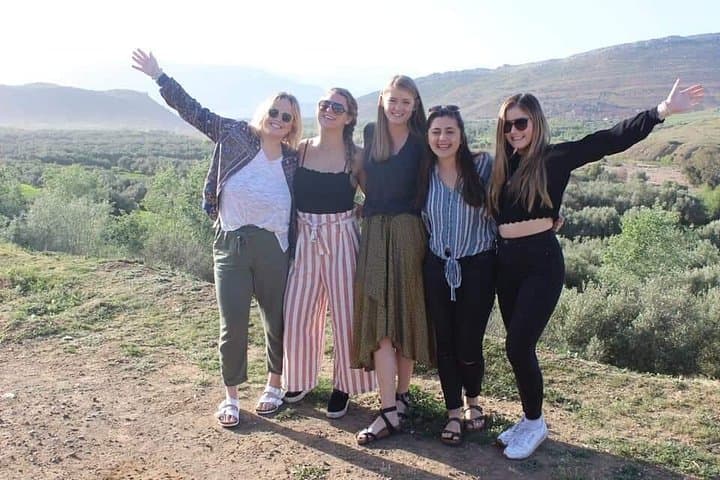
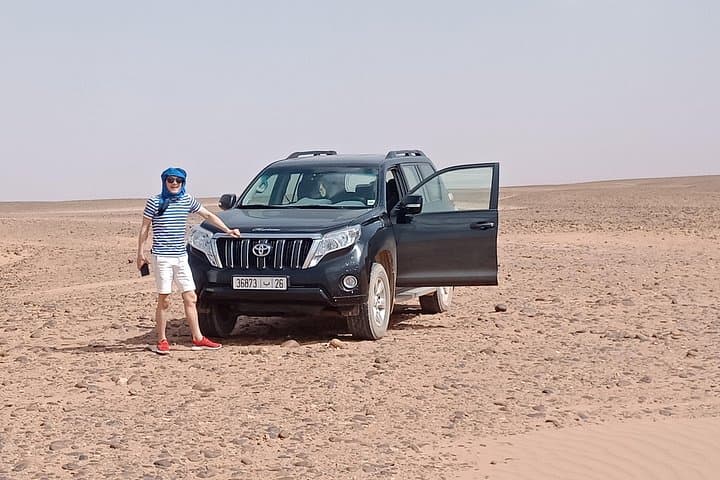
The road climbs away from Marrakech over the wind-swept Tizi n’Tichka pass and then falls through ochre villages into the Draa Valley; by late afternoon the world narrows to soft ridgelines of sand and the silhouette of the Erg Chigaga dunes grows until it fills the horizon. Campfires puncture the dark and the dunes seem to breathe — each crest daring you to climb and watch light spill over its spine at dawn.
The road climbs away from Marrakech over the wind-swept Tizi n’Tichka pass and then falls through ochre villages into the Draa Valley; by late afternoon the world narrows to soft ridgelines of sand and the silhouette of the Erg Chigaga dunes grows until it fills the horizon. Campfires puncture the dark and the dunes seem to breathe — each crest daring you to climb and watch light spill over its spine at dawn.
This route follows old caravan corridors. Ait Benhaddou, a UNESCO-listed ksar on the route, stands as a mud-brick reminder of trans-Saharan trade and film crews who used its façades. Geologically the high Atlas is uplifted limestone and schist; south of it the landscape gives way to alluvial plains and the wind-swept erg — large fields of mobile sand created by millennia of wind sorting and episodic droughts.
Locally, Berber (Amazigh) culture shapes hospitality: riads and kasbahs, rug-weaving villages like Taznakht, and music that threads community evenings. Wildlife is sparse but resilient — camels, fennec foxes and migratory birds around seasonal lakes like Iriqui.
Practical notes: the tour is a three-day loop (Marrakech–Zagora–Mhamid–Erg Chigaga–Marrakech) with long drives (mountain passes and off-road sections), sandboarding opportunities, and overnight stays in nomadic-style tents. Temperatures swing widely; daytime heat and nighttime cold require sun protection and warm layers. Bring plenty of water, sturdy shoes for dune climbs, and a camera with spare batteries — the desert drains chargers fast. Allow time for acclimatizing to long vehicle transfers and respect local customs when visiting villages.