THE ADVENTURE COLLECTIVE® · Independent discovery and booking for outdoor travel

Cross the High Atlas, walk the alleys of a UNESCO ksar, then ride camels into the Erg Chebbi for a night under the stars. This three‑day loop pairs cinematic landscapes with Berber hospitality—ideal for travelers who want culture, geology, and a low‑effort desert immersion.
Cross the High Atlas, walk the alleys of a UNESCO ksar, then ride camels into the Erg Chebbi for a night under the stars. This three‑day loop pairs cinematic landscapes with Berber hospitality—ideal for travelers who want culture, geology, and a low‑effort desert immersion.
The first silhouettes appear on the rim of the dunes as the vehicle drops out of the High Atlas passes—stone villages shrinking, then gone, and the Sahara opening like an unexplored page. Travelers move from the red roofs of Ait Ben Haddou to the film sets of Ouarzazate, then along the palm-lined fingers of the Dades Valley before the sand takes over at Merzouga.
Verified experiences and guided adventures in the surrounding area.
Operated by Morocco treasure trips · Merzouga, Drâa-Tafilalet
The first silhouettes appear on the rim of the dunes as the vehicle drops out of the High Atlas passes—stone villages shrinking, then gone, and the Sahara opening like an unexplored page. Travelers move from the red roofs of Ait Ben Haddou to the film sets of Ouarzazate, then along the palm-lined fingers of the Dades Valley before the sand takes over at Merzouga.
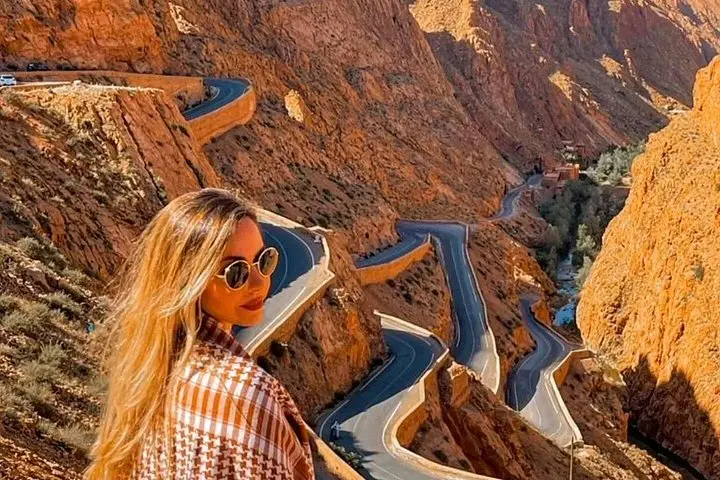
This route stitches together geopolitical and geological chapters: the fortified ksar of Ait Ben Haddou, once a node on trans‑Saharan trade routes, gives way to folded Atlas limestone and the wind-sculpted ridges of Erg Chebbi. Todra Gorge cuts vertical lines through older rock, while the dunes are recent sand—grains carried by wind and time into seas that shift daily. Berber culture remains visible in music, lodging, and shared meals; camps host evening songs and tagines that speak local rhythms.
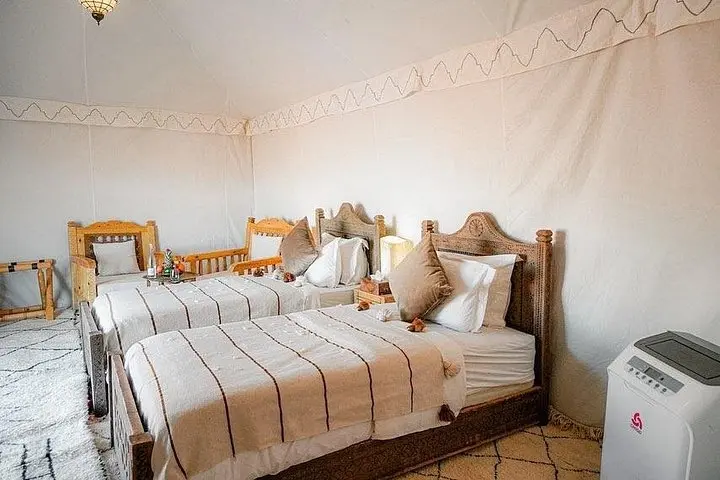
Practicalities matter: the trip runs three days with hotel nights in Dades and a luxury desert camp in Erg Chebbi, plus options for private air‑conditioned vehicle or shared transport. Camel rides to the camp take place at sunset and sunrise—best light and cooler temperatures. Expect limited cell signal in the dunes, cool nights even after hot days, and soft sand that tests ankle stability.
Pack sun protection, layers for night, and modest clothing respectful of local customs. Pace your expectations—this is a travel‑and‑terrain experience: a moving landscape, not a strenuous trek. For photographers and travelers who want both cultural stops and a close encounter with the Sahara’s scale, this three‑day loop delivers a concise, memorable introduction.
Typical camel rides to the Erg Chebbi camp are about 45–90 minutes each way depending on the pick-up point and where the camp is pitched among the dunes.
Camps usually offer private insulated tents with proper beds, shared or private washroom facilities depending on the operator, dinner, breakfast, and live Berber music in the evenings.
Children can join but infants should sit on laps; the ride can be bumpy so it’s not recommended for people with significant spinal or cardiovascular conditions—check with the operator for alternatives.
Yes — options include a private air‑conditioned vehicle (up to 4 travelers) or a shared group tour; most bookings include pickup from Marrakech with pickup point details confirmed after booking.
Morocco treasure trips operates guided outdoor trips and adventures with an emphasis on safety, stewardship, and memorable experiences.
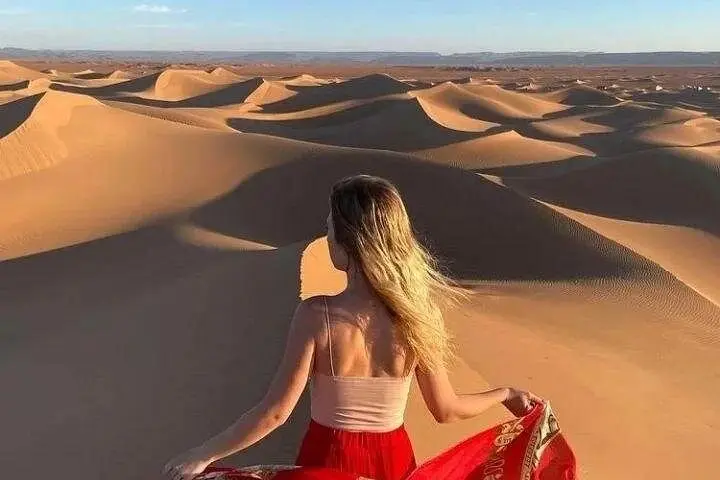
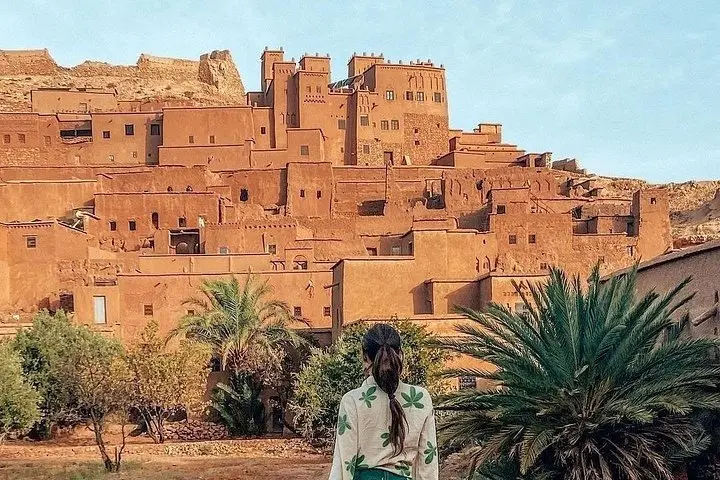
The first silhouettes appear on the rim of the dunes as the vehicle drops out of the High Atlas passes—stone villages shrinking, then gone, and the Sahara opening like an unexplored page. Travelers move from the red roofs of Ait Ben Haddou to the film sets of Ouarzazate, then along the palm-lined fingers of the Dades Valley before the sand takes over at Merzouga.
The first silhouettes appear on the rim of the dunes as the vehicle drops out of the High Atlas passes—stone villages shrinking, then gone, and the Sahara opening like an unexplored page. Travelers move from the red roofs of Ait Ben Haddou to the film sets of Ouarzazate, then along the palm-lined fingers of the Dades Valley before the sand takes over at Merzouga.
This route stitches together geopolitical and geological chapters: the fortified ksar of Ait Ben Haddou, once a node on trans‑Saharan trade routes, gives way to folded Atlas limestone and the wind-sculpted ridges of Erg Chebbi. Todra Gorge cuts vertical lines through older rock, while the dunes are recent sand—grains carried by wind and time into seas that shift daily. Berber culture remains visible in music, lodging, and shared meals; camps host evening songs and tagines that speak local rhythms.
Practicalities matter: the trip runs three days with hotel nights in Dades and a luxury desert camp in Erg Chebbi, plus options for private air‑conditioned vehicle or shared transport. Camel rides to the camp take place at sunset and sunrise—best light and cooler temperatures. Expect limited cell signal in the dunes, cool nights even after hot days, and soft sand that tests ankle stability.
Pack sun protection, layers for night, and modest clothing respectful of local customs. Pace your expectations—this is a travel‑and‑terrain experience: a moving landscape, not a strenuous trek. For photographers and travelers who want both cultural stops and a close encounter with the Sahara’s scale, this three‑day loop delivers a concise, memorable introduction.