
3-Day Marrakech to Merzouga Desert Tour — Ait Ben Haddou, Dades & Erg Chebbi
Cross the High Atlas, explore Ait Ben Haddou and canyon trails, then ride camels into the Erg Chebbi dunes for a night under the stars. This three-day route balances cultural stops with hands-on desert time for travelers who want compact access to Morocco’s southern landscapes.
An Adventure In Marrakech.
Cross the High Atlas, explore Ait Ben Haddou and canyon trails, then ride camels into the Erg Chebbi dunes for a night under the stars. This three-day route balances cultural stops with hands-on desert time for travelers who want compact access to Morocco’s southern landscapes.
Read the full experience
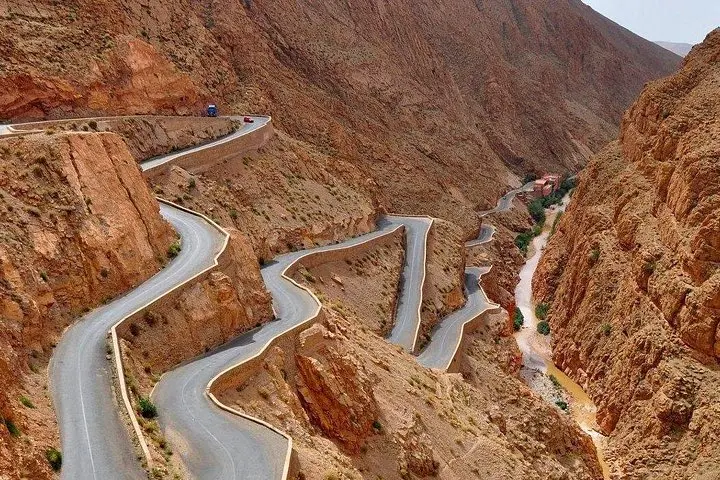
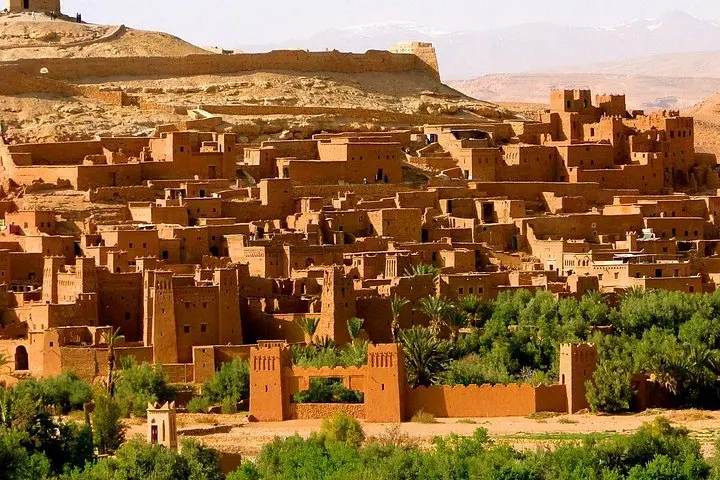
You leave Marrakech before dawn and the city’s ochre walls shrink as the road climbs the High Atlas. Wind and sun shape the pass; stony peaks give way to ochre valleys and fortified kasbahs that sit like old roadhouses along the caravan route. By late afternoon the silhouette of Ait Ben Haddou appears—mud-brick towers stacked against the sky—then the route eases through palm oases toward the sliced canyons of Dades and Todra.
You leave Marrakech before dawn and the city’s ochre walls shrink as the road climbs the High Atlas. Wind and sun shape the pass; stony peaks give way to ochre valleys and fortified kasbahs that sit like old roadhouses along the caravan route. By late afternoon the silhouette of Ait Ben Haddou appears—mud-brick towers stacked against the sky—then the route eases through palm oases toward the sliced canyons of Dades and Todra.
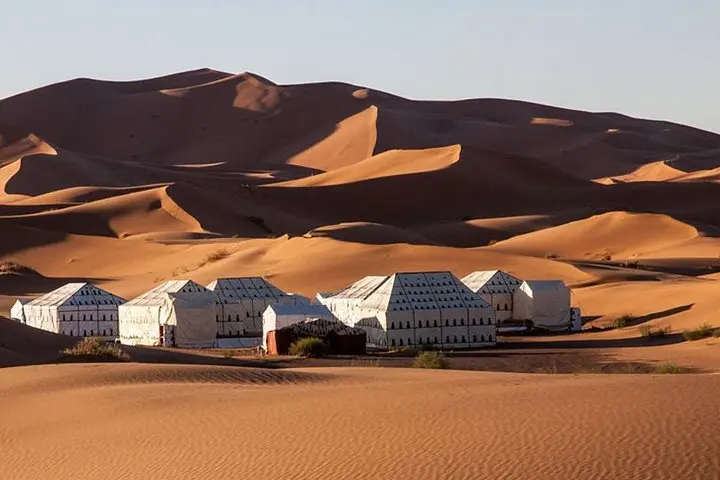
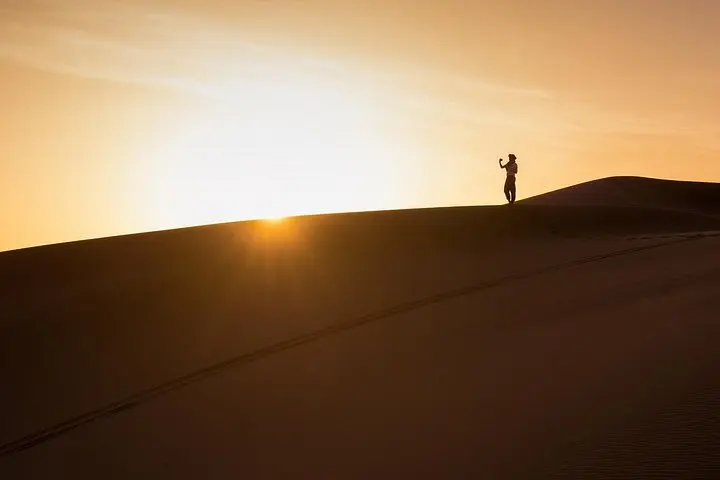
This three-day loop traces well-worn trade roads and geological transitions: the folded red strata of the Dades Gorge, the narrow limestone slot of Todra, and finally the sea of sand at Erg Chebbi where dunes rise up to roughly 150 meters. The itinerary mixes cultural stops—Ait Ben Haddou (UNESCO) and local kasbahs—with walking opportunities through palm groves and canyon floors, and a classic camel ride to a Bedouin-style desert camp for sunset and sunrise.
Practical guide: expect roughly 7–10 hours of driving split across two days (Marrakech to Ouarzazate ~4 hours via Tizi n’Tichka; Ouarzazate to Merzouga 5–6 hours with stops). Camel transfers to camp are 45–90 minutes. Pack layered clothing for cold desert nights, sun protection for daytime, sturdy shoes for canyon walks, and a refillable water bottle. Mobile signal is intermittent beyond Ouarzazate; bring cash for small purchases and tipping. The experience is accessible to most travelers comfortable with multiple hours on the road and short guided walks—rewarded by wide desert light, star-filled skies and a close view of Morocco’s kasbah architecture.
Frequently asked questions
Most camel transfers to camps are 45–90 minutes depending on the camp’s location among the dunes; shorter rides are available for those who prefer.
Camps typically offer basic private tents or smaller family tents with bedding and a shared or private wash area—check with the operator for infant or accessibility needs.
Yes—guided short walks along canyon floors and viewpoints are standard; trails are generally low-technical but can be uneven and hot in summer.
Signal is reliable near cities like Marrakech and Ouarzazate but becomes intermittent in remote gorges and around Merzouga; plan for offline navigation and emergency procedures.
About This Experience
Morocco Desert Expeditions operates guided outdoor trips and adventures with an emphasis on safety, stewardship, and memorable experiences.
Adventure tips
Recommended gear
- Sturdy walking shoes: Good traction and ankle support make canyon walks and dune climbs safer and more comfortable.
- Sun hat and sunglasses: Protects against intense midday sun reflected from sand and rock.
- Warm insulating layer: Desert nights can drop sharply; a warm jacket is useful after sunset.
- Refillable water bottle with filter: Hydration is critical and water access is limited between stops.
Photos of the experience
Related adventures & guides
Read the full experience
You leave Marrakech before dawn and the city’s ochre walls shrink as the road climbs the High Atlas. Wind and sun shape the pass; stony peaks give way to ochre valleys and fortified kasbahs that sit like old roadhouses along the caravan route. By late afternoon the silhouette of Ait Ben Haddou appears—mud-brick towers stacked against the sky—then the route eases through palm oases toward the sliced canyons of Dades and Todra.
You leave Marrakech before dawn and the city’s ochre walls shrink as the road climbs the High Atlas. Wind and sun shape the pass; stony peaks give way to ochre valleys and fortified kasbahs that sit like old roadhouses along the caravan route. By late afternoon the silhouette of Ait Ben Haddou appears—mud-brick towers stacked against the sky—then the route eases through palm oases toward the sliced canyons of Dades and Todra.
This three-day loop traces well-worn trade roads and geological transitions: the folded red strata of the Dades Gorge, the narrow limestone slot of Todra, and finally the sea of sand at Erg Chebbi where dunes rise up to roughly 150 meters. The itinerary mixes cultural stops—Ait Ben Haddou (UNESCO) and local kasbahs—with walking opportunities through palm groves and canyon floors, and a classic camel ride to a Bedouin-style desert camp for sunset and sunrise.
Practical guide: expect roughly 7–10 hours of driving split across two days (Marrakech to Ouarzazate ~4 hours via Tizi n’Tichka; Ouarzazate to Merzouga 5–6 hours with stops). Camel transfers to camp are 45–90 minutes. Pack layered clothing for cold desert nights, sun protection for daytime, sturdy shoes for canyon walks, and a refillable water bottle. Mobile signal is intermittent beyond Ouarzazate; bring cash for small purchases and tipping. The experience is accessible to most travelers comfortable with multiple hours on the road and short guided walks—rewarded by wide desert light, star-filled skies and a close view of Morocco’s kasbah architecture.
Make a day of it nearby.
Verified experiences and guided adventures in the surrounding area.