THE ADVENTURE COLLECTIVE® · Independent discovery and booking for outdoor travel

A compact 3-day route from Marrakech to Merzouga that combines Ait Ben Haddou and Todra Gorges with sunset camel rides and an overnight in an Erg Chebbi camp. Expect long drives, dramatic geology, and authentic Berber hospitality.
A compact 3-day route from Marrakech to Merzouga that combines Ait Ben Haddou and Todra Gorges with sunset camel rides and an overnight in an Erg Chebbi camp. Expect long drives, dramatic geology, and authentic Berber hospitality.
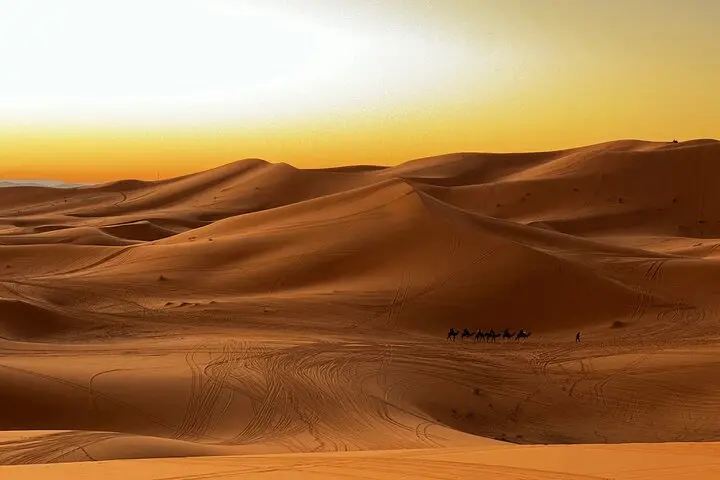
You crest the Atlas foothills as the tarmac peels away and the landscape opens to ochre cliffs, palm oases, and then the dune sea of Merzouga: sands that shift with a slow, living patience and a wind that dares you to keep walking.
Verified experiences and guided adventures in the surrounding area.
Operated by Msafer Tour · Merzouga, Drâa-Tafilalet
You crest the Atlas foothills as the tarmac peels away and the landscape opens to ochre cliffs, palm oases, and then the dune sea of Merzouga: sands that shift with a slow, living patience and a wind that dares you to keep walking.
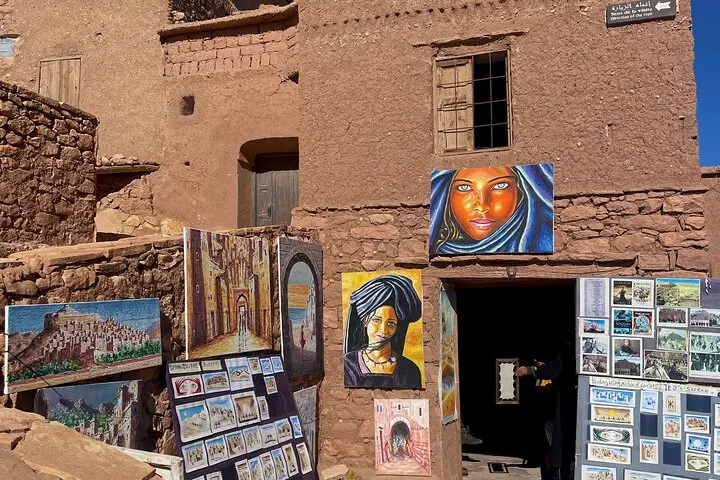
This three-day route threads historic caravan roads, kasbahs and river gorges between Marrakech and the eastern Sahara. Expect photo stops at Ait Ben Haddou — a fortified mud-brick village significant to trans-Saharan trade and modern cinema — and the sculpted Todra Gorges, where river-cut limestone towers rise like folded pages. Geologically, the Erg Chebbi dunes are siliciclastic deposits reworked by wind; their steep slipfaces form in seasonal winds that can rebuild crests overnight.
Culturally, the trip moves through Amazigh (Berber) lands where guesthouses (riads) and luxury desert camps offer local food and evening Gnawa or Berber music around a fire. Guides often explain irrigation in oases and traditional clay architecture.
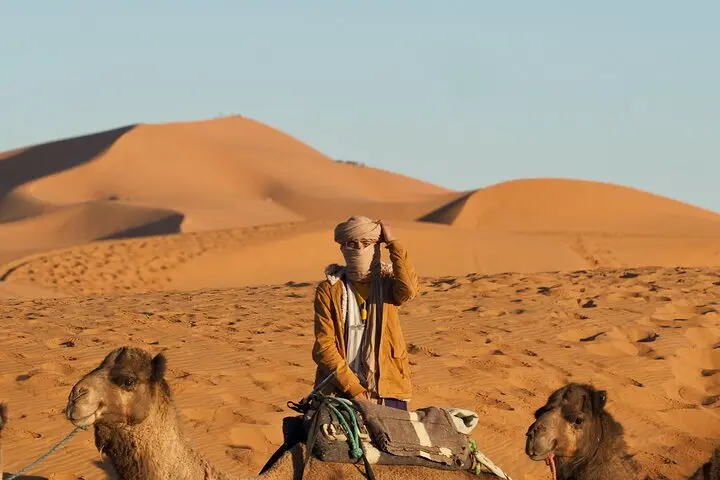
Practical guidance: travel is by private vehicle with long driving legs, so plan for motion comfort and breaks. In Merzouga, saddle up for a short camel ride at sunset and a sunrise ride back to auberge; dunes can be hot by day and very cold at night, so layer accordingly. Hydrate frequently, protect skin and eyes from sand and sun, and carry small cash for remote purchases and tips. Book a private driver or small group to maximize flexible stops and authentic local interactions.
Expect multiple driving legs; the total round trip covers several hundred kilometers with the longest single stretch between the High Atlas and Merzouga lasting several hours with stops.
Yes—camel rides at sunset and sunrise are typically short (30–90 minutes) and can be skipped in favor of walking or staying at the camp.
The tour includes breakfasts and several lunches and dinners as listed by the operator, typically featuring local Moroccan cuisine at riads and camps.
Spring and fall offer the most comfortable temperatures; winter mornings can be freezing and summer afternoons very hot, especially on dunes.
Msafer Tour operates guided outdoor trips and adventures with an emphasis on safety, stewardship, and memorable experiences.
You crest the Atlas foothills as the tarmac peels away and the landscape opens to ochre cliffs, palm oases, and then the dune sea of Merzouga: sands that shift with a slow, living patience and a wind that dares you to keep walking.
You crest the Atlas foothills as the tarmac peels away and the landscape opens to ochre cliffs, palm oases, and then the dune sea of Merzouga: sands that shift with a slow, living patience and a wind that dares you to keep walking.
This three-day route threads historic caravan roads, kasbahs and river gorges between Marrakech and the eastern Sahara. Expect photo stops at Ait Ben Haddou — a fortified mud-brick village significant to trans-Saharan trade and modern cinema — and the sculpted Todra Gorges, where river-cut limestone towers rise like folded pages. Geologically, the Erg Chebbi dunes are siliciclastic deposits reworked by wind; their steep slipfaces form in seasonal winds that can rebuild crests overnight.
Culturally, the trip moves through Amazigh (Berber) lands where guesthouses (riads) and luxury desert camps offer local food and evening Gnawa or Berber music around a fire. Guides often explain irrigation in oases and traditional clay architecture.
Practical guidance: travel is by private vehicle with long driving legs, so plan for motion comfort and breaks. In Merzouga, saddle up for a short camel ride at sunset and a sunrise ride back to auberge; dunes can be hot by day and very cold at night, so layer accordingly. Hydrate frequently, protect skin and eyes from sand and sun, and carry small cash for remote purchases and tips. Book a private driver or small group to maximize flexible stops and authentic local interactions.