THE ADVENTURE COLLECTIVE® · Independent discovery and booking for outdoor travel

Cross the High Atlas, explore Ait Ben Haddou, and sleep under Erg Chebbi’s stars on this three-day Marrakech-to-Merzouga loop. Expect long drives, short camel treks, and nights in Berber tents with sunrise-swept dunes.
Cross the High Atlas, explore Ait Ben Haddou, and sleep under Erg Chebbi’s stars on this three-day Marrakech-to-Merzouga loop. Expect long drives, short camel treks, and nights in Berber tents with sunrise-swept dunes.
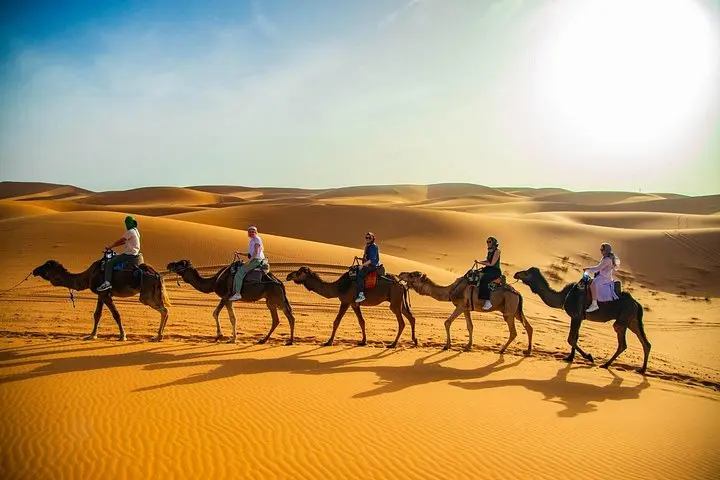
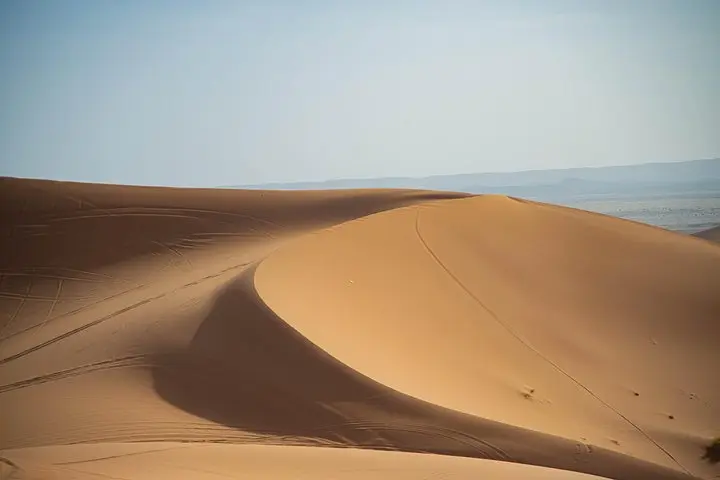
The first light hits the crests of Erg Chebbi and the dunes take on a slow, luminous motion—ripples of sand pushing like a living current toward the horizon.
Verified experiences and guided adventures in the surrounding area.
Operated by Marrakech City Life · Merzouga, Drâa-Tafilalet
The first light hits the crests of Erg Chebbi and the dunes take on a slow, luminous motion—ripples of sand pushing like a living current toward the horizon.
This three-day route threads Marrakech, the High Atlas’ Tizi n’Tichka pass (about 2,260 m), the UNESCO-listed Ait Ben Haddou kasbah and the flowering Kelaat M’Gouna, before dropping into the stark, wind-carved sea of Merzouga. Geologically the landscape shifts from folded metamorphic rock in the Atlas to wind-sorted quartz and feldspar dunes at Erg Chebbi; the desert rearranges itself nightly, daring you to read its new lines.
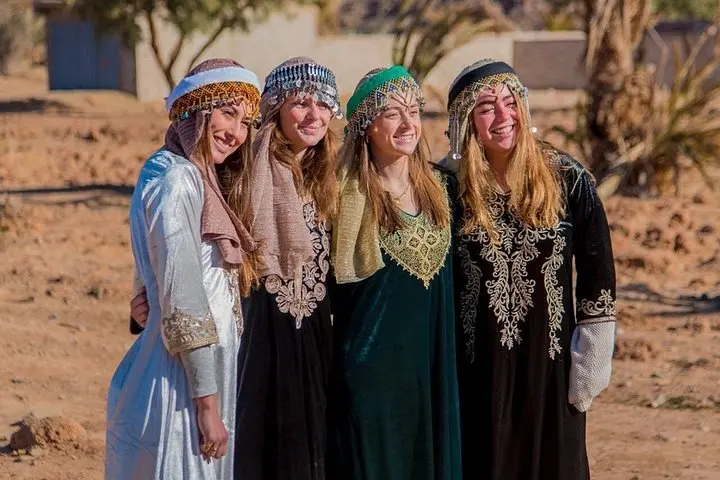
Culturally, the trip moves through Berber towns and former caravan corridors where mudbrick kasbahs watched trade routes for centuries. Night in a Berber tent brings a simple, communal rhythm—tea, tagine, and stars so clear they seem to press down on the camp.
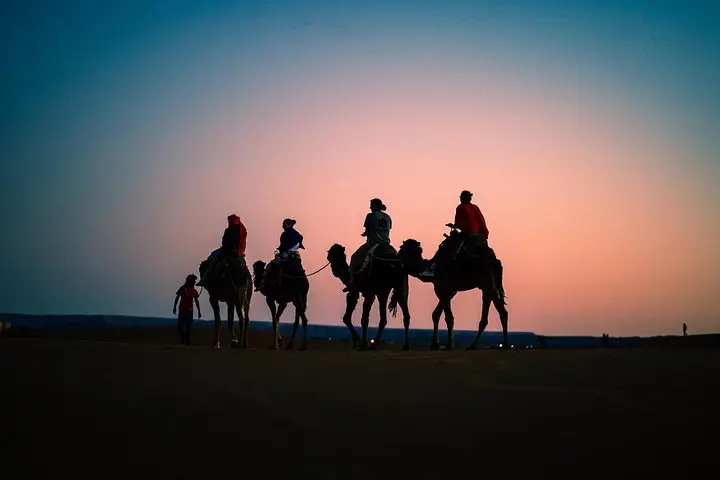
Practical guidance: expect long driving days with staged stops—photo overlooks at Tizi n’Tichka, a walking visit at Ait Ben Haddou, then Todra Gorge and Erfoud on day two. Camel rides to the bivouac are short rides to reach camp; the dunes are walked or sandboarded at your pace. Hydrate proactively, protect against sun and sand (UV, lip balm, goggles), and plan for early starts to catch sunrise and cooler travel windows.
Accommodations vary from half-board hotels in Tinghir to shared or upgraded private desert tents. Physical demand is low, but pack light, bring layered clothing for hot days and cold desert nights, and come prepared to trade city noise for the desert’s silence.
Camel rides typically last 30–60 minutes and are a transport to the bivouac rather than long treks; you can dismount and walk on flatter dunes.
Standard camps offer shared facilities; upgraded or luxury camps provide private or en-suite options—check when booking.
Yes—this tour is rated easy and family-friendly, but infants may need to sit on laps for transfers and parents should plan for limited facilities in the bivouac.
Expect intermittent or no cell service around Erg Chebbi; towns like Erfoud and Tinghir have coverage and camps may offer limited connectivity.
Marrakech City Life operates guided outdoor trips and adventures with an emphasis on safety, stewardship, and memorable experiences.
The first light hits the crests of Erg Chebbi and the dunes take on a slow, luminous motion—ripples of sand pushing like a living current toward the horizon.
The first light hits the crests of Erg Chebbi and the dunes take on a slow, luminous motion—ripples of sand pushing like a living current toward the horizon.
This three-day route threads Marrakech, the High Atlas’ Tizi n’Tichka pass (about 2,260 m), the UNESCO-listed Ait Ben Haddou kasbah and the flowering Kelaat M’Gouna, before dropping into the stark, wind-carved sea of Merzouga. Geologically the landscape shifts from folded metamorphic rock in the Atlas to wind-sorted quartz and feldspar dunes at Erg Chebbi; the desert rearranges itself nightly, daring you to read its new lines.
Culturally, the trip moves through Berber towns and former caravan corridors where mudbrick kasbahs watched trade routes for centuries. Night in a Berber tent brings a simple, communal rhythm—tea, tagine, and stars so clear they seem to press down on the camp.
Practical guidance: expect long driving days with staged stops—photo overlooks at Tizi n’Tichka, a walking visit at Ait Ben Haddou, then Todra Gorge and Erfoud on day two. Camel rides to the bivouac are short rides to reach camp; the dunes are walked or sandboarded at your pace. Hydrate proactively, protect against sun and sand (UV, lip balm, goggles), and plan for early starts to catch sunrise and cooler travel windows.
Accommodations vary from half-board hotels in Tinghir to shared or upgraded private desert tents. Physical demand is low, but pack light, bring layered clothing for hot days and cold desert nights, and come prepared to trade city noise for the desert’s silence.