THE ADVENTURE COLLECTIVE® · Independent discovery and booking for outdoor travel

Three days from Marrakech to the sweeping Erg Chebbi dunes, this compact tour pairs Atlas passes, Ait Ben Haddou and a night in a Berber camp. Expect long drives, a camel ride at sunrise, short dune climbs and authentic local encounters.
Three days from Marrakech to the sweeping Erg Chebbi dunes, this compact tour pairs Atlas passes, Ait Ben Haddou and a night in a Berber camp. Expect long drives, a camel ride at sunrise, short dune climbs and authentic local encounters.
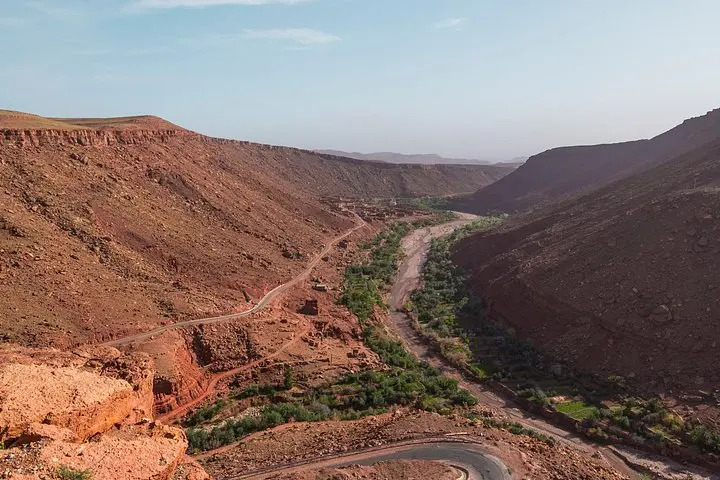
A low, ochre sun slides over the High Atlas as your minivan peels away from Marrakech, the city’s spice-scented heat folding behind you. The road climbs the Tizi n’Tichka pass, and the world narrows to wind-swept rock and villages of sun-dried clay; by late afternoon the horizon softens into the orange crest of Erg Chebbi.
Verified experiences and guided adventures in the surrounding area.
Operated by Zagora Desert Travel · Merzouga, Drâa-Tafilalet
A low, ochre sun slides over the High Atlas as your minivan peels away from Marrakech, the city’s spice-scented heat folding behind you. The road climbs the Tizi n’Tichka pass, and the world narrows to wind-swept rock and villages of sun-dried clay; by late afternoon the horizon softens into the orange crest of Erg Chebbi.
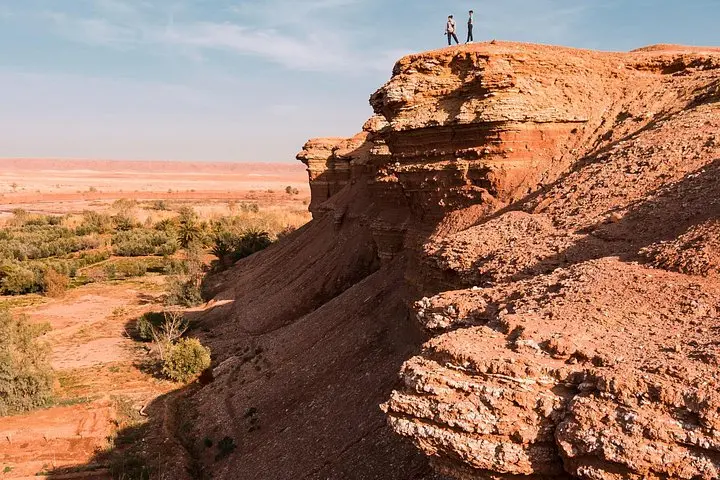
This short circuit stitches together Morocco’s layered past: kasbahs at Ait Ben Haddou that guarded trans-Saharan routes, red-earth Berber villages clinging to terraces, and the geology of the Sahara—sand made of crushed quartz mobilized by centuries of wind. Culture rides the trip too; Khamlia’s Gnawa musicians and campfire tajines offer brief but lucid windows into local life.
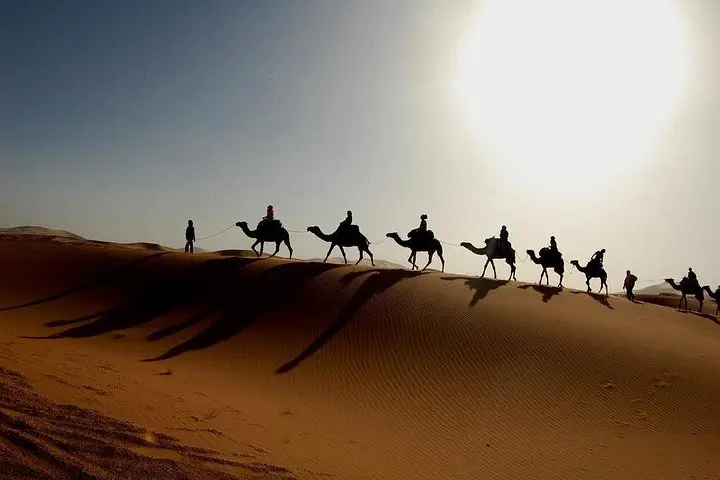
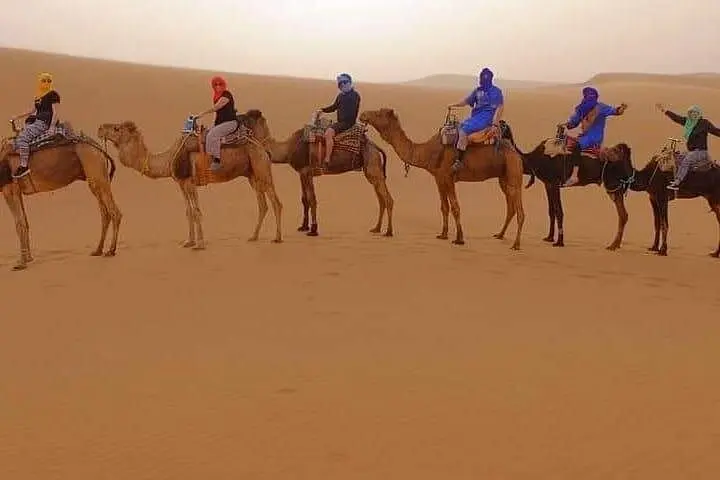
Expect two nights away from city lights: a riad or hotel on the first night and a traditional Berber camp beneath the dunes the second. Activities are straightforward—long drives between sights, a guided walk through Todgha Gorge, and the quintessential camel saddle out to watch sunrise or sunset atop Erg Chebbi. The dunes invite short climbs that test balance more than endurance; cold nights demand layers, daytime sun demands shelter.
Practical guidance: hydrate pre-ride, carry sun protection and a small daypack, and wear sturdy shoes for rocky passes and sand. Plan for early starts to avoid midday heat and leave space in your bag for dusty conditions. Respect local customs at villages and follow your guide’s route choices across the dunes—this protects both you and the fragile desert environment.
The camel ride is short and steady—more about balance than endurance; guides handle mounts and dismounts if you need assistance.
Camps use traditional tents with bedding; comfort varies by provider—expect simple but warm accommodations and shared facilities.
The itinerary notes wheelchair accessibility for some transfers, but camel riding and sand walking are not accessible; check with the operator for specific needs.
Service is intermittent across the Atlas and desert; bring cash for small purchases—major cards and ATMs are more reliable in larger towns.
Zagora Desert Travel operates guided outdoor trips and adventures with an emphasis on safety, stewardship, and memorable experiences.
A low, ochre sun slides over the High Atlas as your minivan peels away from Marrakech, the city’s spice-scented heat folding behind you. The road climbs the Tizi n’Tichka pass, and the world narrows to wind-swept rock and villages of sun-dried clay; by late afternoon the horizon softens into the orange crest of Erg Chebbi.
A low, ochre sun slides over the High Atlas as your minivan peels away from Marrakech, the city’s spice-scented heat folding behind you. The road climbs the Tizi n’Tichka pass, and the world narrows to wind-swept rock and villages of sun-dried clay; by late afternoon the horizon softens into the orange crest of Erg Chebbi.
This short circuit stitches together Morocco’s layered past: kasbahs at Ait Ben Haddou that guarded trans-Saharan routes, red-earth Berber villages clinging to terraces, and the geology of the Sahara—sand made of crushed quartz mobilized by centuries of wind. Culture rides the trip too; Khamlia’s Gnawa musicians and campfire tajines offer brief but lucid windows into local life.
Expect two nights away from city lights: a riad or hotel on the first night and a traditional Berber camp beneath the dunes the second. Activities are straightforward—long drives between sights, a guided walk through Todgha Gorge, and the quintessential camel saddle out to watch sunrise or sunset atop Erg Chebbi. The dunes invite short climbs that test balance more than endurance; cold nights demand layers, daytime sun demands shelter.
Practical guidance: hydrate pre-ride, carry sun protection and a small daypack, and wear sturdy shoes for rocky passes and sand. Plan for early starts to avoid midday heat and leave space in your bag for dusty conditions. Respect local customs at villages and follow your guide’s route choices across the dunes—this protects both you and the fragile desert environment.