THE ADVENTURE COLLECTIVE® · Independent discovery and booking for outdoor travel

Cross the High Atlas and trade city bustle for the stillness of Erg Chebbi on this three-day Marrakech-to-Merzouga tour. Expect UNESCO kasbahs, Todra Gorges, camel treks at sunset and an overnight in a desert bivouac.
Cross the High Atlas and trade city bustle for the stillness of Erg Chebbi on this three-day Marrakech-to-Merzouga tour. Expect UNESCO kasbahs, Todra Gorges, camel treks at sunset and an overnight in a desert bivouac.
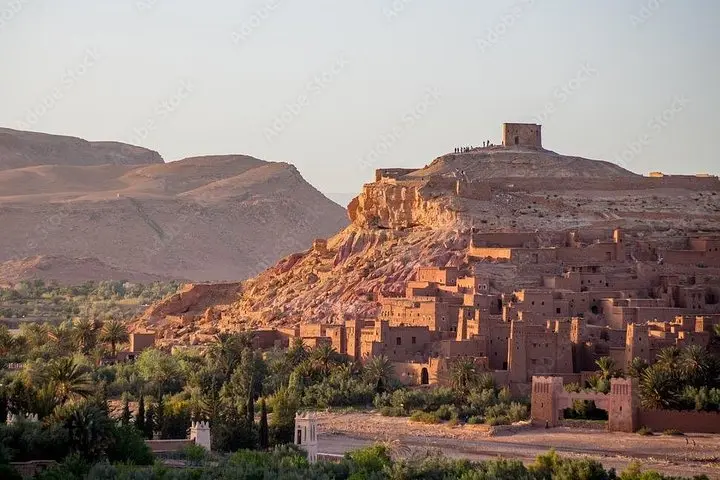
Dust lifts off the road as the minibus peels away from Marrakech and climbs the Tizi n’Tichka pass; the High Atlas opens like a hard-won map. By afternoon the red-brown kasbahs of Ait Ben Haddou slice the horizon — mudbrick walls catching late light — and the next day the asphalt gives way to ochre plains that feed into the giant ripples of Erg Chebbi.
Verified experiences and guided adventures in the surrounding area.
Operated by Morocco Destinations · Merzouga, Drâa-Tafilalet
Dust lifts off the road as the minibus peels away from Marrakech and climbs the Tizi n’Tichka pass; the High Atlas opens like a hard-won map. By afternoon the red-brown kasbahs of Ait Ben Haddou slice the horizon — mudbrick walls catching late light — and the next day the asphalt gives way to ochre plains that feed into the giant ripples of Erg Chebbi.
This three-day route follows ancient caravan arteries across southern Morocco. Geologically, Erg Chebbi is a wind-built sea of sand dunes rising up to 150 meters, formed from Saharan sands transported by persistent northerly winds. Culturally the region is Berber country; you’ll pass kasbahs, fossil-rich quarries around Erfoud, and pockets of Gnawa music in small villages — living traces of trade, film crews and nomadic life.
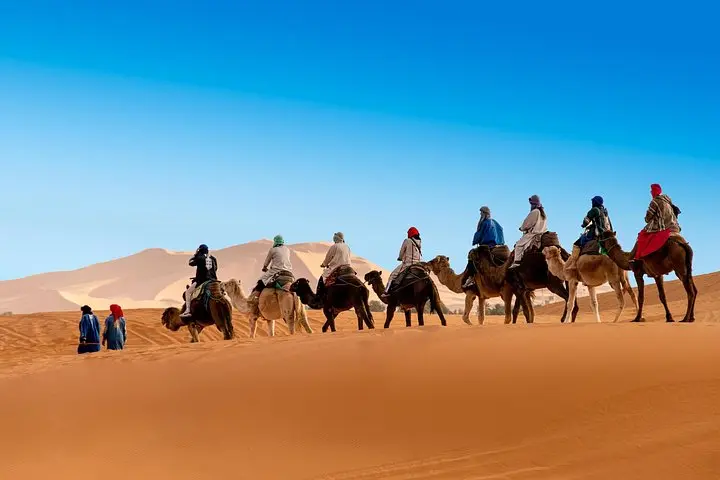
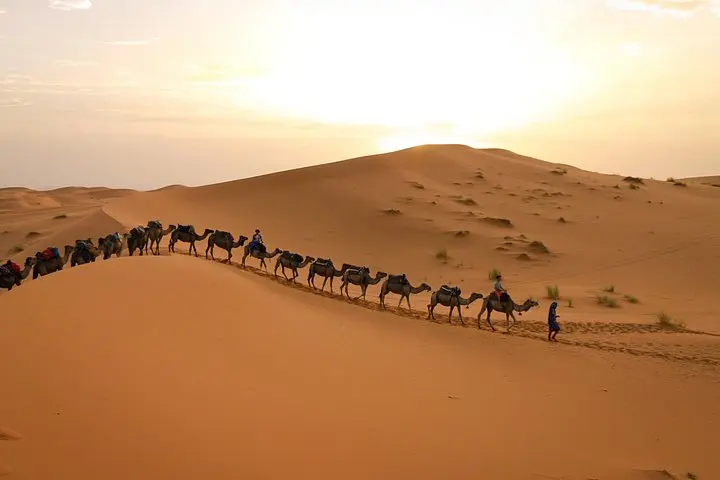
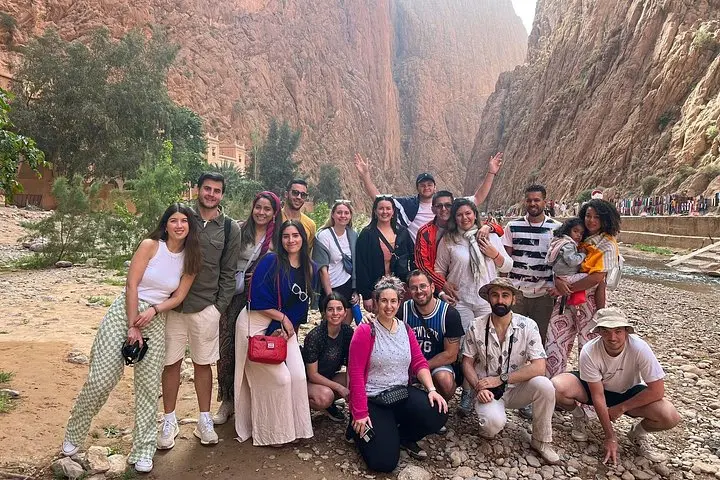
Expect long transport segments punctuated by structured stops: photographic viewpoints at Tizi n’Tichka, a guided walk through Ait Ben Haddou, the Todra Gorge, fossil stalls in Erfoud, then a camel ride at Merzouga ending at a desert bivouac. Nights in the camp range from basic desert tents to upgradeable comfort options; sleeping under clear skies is the highlight.
Practical advice: pack layered clothing for big diurnal swings, bring sun protection and at least 2 liters of water per person for day activities, and pick a camel saddle that fits your comfort needs. Sunrise and sunset camel rides are crowded but worth the light; allow time after the drive to acclimatize and don’t expect fast Wi‑Fi in remote camps. This trip is as much about landscape transitions and cultural stops as it is about the dunes themselves.
Typical camel transfers last 45–90 minutes each way to the camp; you’ll usually ride at sunset and again at sunrise for shorter transfers back.
Accommodations range from standard desert bivouacs with basic shared facilities to upgraded private luxury tents; confirm your chosen level at booking.
Yes, tours normally include pickup from central Marrakech meeting points or hotels—confirm your pickup point when you book.
The itinerary is family-friendly and listed as physically easy, but long vehicle legs and camel rides may be challenging for some—check camel comfort options and request infant seats if needed.
Morocco Destinations operates guided outdoor trips and adventures with an emphasis on safety, stewardship, and memorable experiences.
Dust lifts off the road as the minibus peels away from Marrakech and climbs the Tizi n’Tichka pass; the High Atlas opens like a hard-won map. By afternoon the red-brown kasbahs of Ait Ben Haddou slice the horizon — mudbrick walls catching late light — and the next day the asphalt gives way to ochre plains that feed into the giant ripples of Erg Chebbi.
Dust lifts off the road as the minibus peels away from Marrakech and climbs the Tizi n’Tichka pass; the High Atlas opens like a hard-won map. By afternoon the red-brown kasbahs of Ait Ben Haddou slice the horizon — mudbrick walls catching late light — and the next day the asphalt gives way to ochre plains that feed into the giant ripples of Erg Chebbi.
This three-day route follows ancient caravan arteries across southern Morocco. Geologically, Erg Chebbi is a wind-built sea of sand dunes rising up to 150 meters, formed from Saharan sands transported by persistent northerly winds. Culturally the region is Berber country; you’ll pass kasbahs, fossil-rich quarries around Erfoud, and pockets of Gnawa music in small villages — living traces of trade, film crews and nomadic life.
Expect long transport segments punctuated by structured stops: photographic viewpoints at Tizi n’Tichka, a guided walk through Ait Ben Haddou, the Todra Gorge, fossil stalls in Erfoud, then a camel ride at Merzouga ending at a desert bivouac. Nights in the camp range from basic desert tents to upgradeable comfort options; sleeping under clear skies is the highlight.
Practical advice: pack layered clothing for big diurnal swings, bring sun protection and at least 2 liters of water per person for day activities, and pick a camel saddle that fits your comfort needs. Sunrise and sunset camel rides are crowded but worth the light; allow time after the drive to acclimatize and don’t expect fast Wi‑Fi in remote camps. This trip is as much about landscape transitions and cultural stops as it is about the dunes themselves.