THE ADVENTURE COLLECTIVE® · Independent discovery and booking for outdoor travel

Cross the High Atlas, explore Ait Ben Haddou and the Todra Gorges, then ride camels into Erg Chebbi for a desert camp. This three-day tour combines scenic drives, short hikes, and immersive nights under the stars.
Cross the High Atlas, explore Ait Ben Haddou and the Todra Gorges, then ride camels into Erg Chebbi for a desert camp. This three-day tour combines scenic drives, short hikes, and immersive nights under the stars.
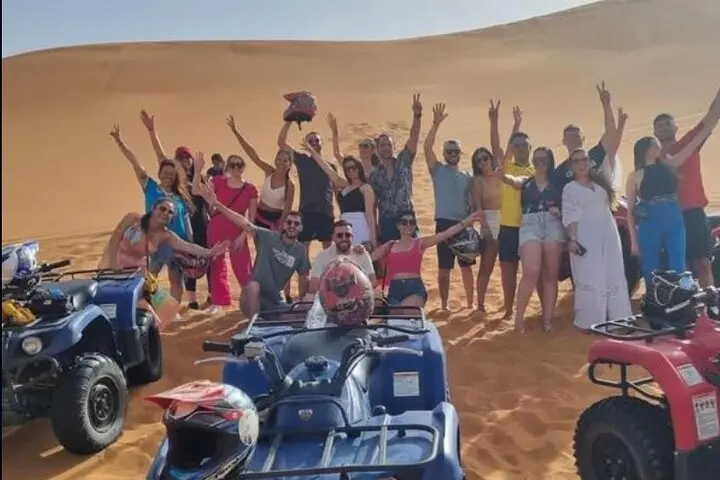
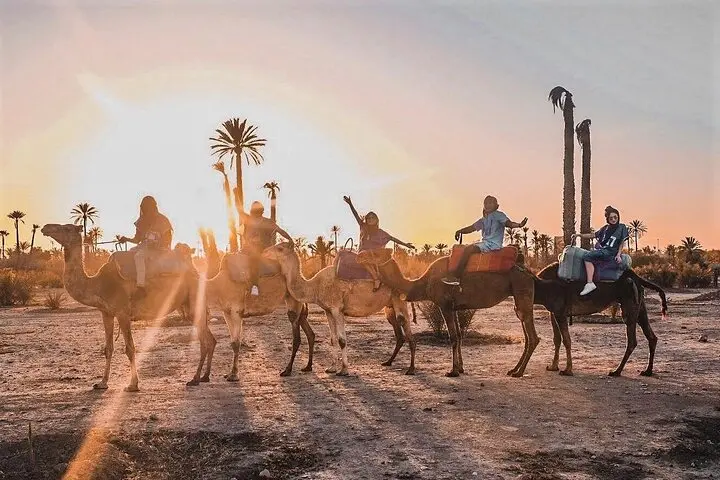
At dusk the golden ribs of Erg Chebbi stretch out like a living map, and the convoy slows as traded camels step from hard road onto yielding sand. This three-day loop from Marrakech climbs the High Atlas via Tizi n’Tichka (2,260 m), pauses at the clay walls of Ait Ben Haddou, threads the river-cut Dades and Todra gorges, and finishes with a sunset camel trek and night under the desert sky at Merzouga.
Verified experiences and guided adventures in the surrounding area.
Operated by Best Maroc Tours · Merzouga, Drâa-Tafilalet
At dusk the golden ribs of Erg Chebbi stretch out like a living map, and the convoy slows as traded camels step from hard road onto yielding sand. This three-day loop from Marrakech climbs the High Atlas via Tizi n’Tichka (2,260 m), pauses at the clay walls of Ait Ben Haddou, threads the river-cut Dades and Todra gorges, and finishes with a sunset camel trek and night under the desert sky at Merzouga.
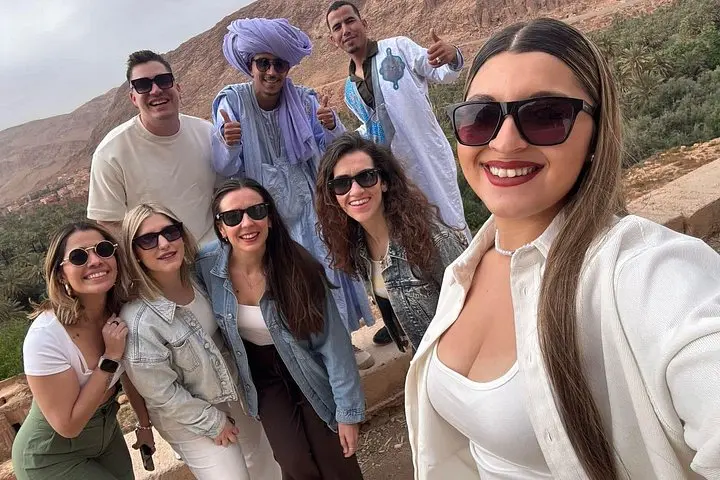
Ait Ben Haddou recalls caravan routes and mudbrick kasbah architecture, while the gorges reveal layered limestone and dramatic narrow walls carved by flash floods. Erfoud’s fossil-rich flats point to an ancient seabed beneath today’s dunes.
Logistics are straightforward but active: expect 8–10 hours of driving spread across three days with shorter on-foot segments—1–2 hour camel rides at sunset and sunrise, dune scrambling for views, and short gorge walks. Camps vary from practical bivouacs to upgraded tents with bedding; guides arrange transfers, meals, and a campfire that often includes local music.
Practical advice: pack layered clothing for hot days and chilly nights, sturdy shoes for rocky gorges and dune climbs, and sun protection with at least 2–3 liters of water per person per day. Bring cash for local markets and tips; modest dress and asking before photographing locals are standard courtesies. If you’re prone to motion sickness, prepare for winding mountain roads. The trip balances culture and geology, delivering sunrise over the dunes, starlit silence, and hands-on exposure to Morocco’s desert landscapes.
Sunset camel treks typically last 1–2 hours one way across Erg Chebbi; sunrise returns are often shorter.
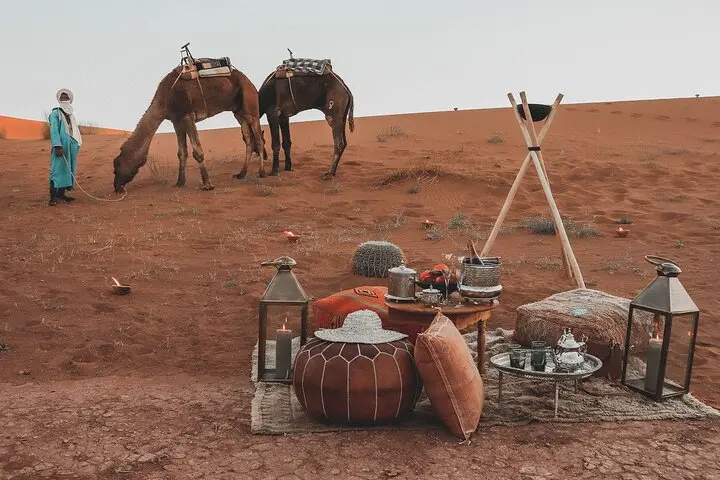
Options range from basic traditional bivouacs with shared facilities to upgraded tents with beds and private amenities—confirm when booking.
Older children who can sit comfortably on camels and handle long drives are suitable; infants often must sit on laps and operators may have age restrictions.
The tour involves camel mounting, dune walking, and transfers on winding roads—travelers with limited mobility should consult the operator before booking.
Best Maroc Tours operates guided outdoor trips and adventures with an emphasis on safety, stewardship, and memorable experiences.
At dusk the golden ribs of Erg Chebbi stretch out like a living map, and the convoy slows as traded camels step from hard road onto yielding sand. This three-day loop from Marrakech climbs the High Atlas via Tizi n’Tichka (2,260 m), pauses at the clay walls of Ait Ben Haddou, threads the river-cut Dades and Todra gorges, and finishes with a sunset camel trek and night under the desert sky at Merzouga.
At dusk the golden ribs of Erg Chebbi stretch out like a living map, and the convoy slows as traded camels step from hard road onto yielding sand. This three-day loop from Marrakech climbs the High Atlas via Tizi n’Tichka (2,260 m), pauses at the clay walls of Ait Ben Haddou, threads the river-cut Dades and Todra gorges, and finishes with a sunset camel trek and night under the desert sky at Merzouga.
Ait Ben Haddou recalls caravan routes and mudbrick kasbah architecture, while the gorges reveal layered limestone and dramatic narrow walls carved by flash floods. Erfoud’s fossil-rich flats point to an ancient seabed beneath today’s dunes.
Logistics are straightforward but active: expect 8–10 hours of driving spread across three days with shorter on-foot segments—1–2 hour camel rides at sunset and sunrise, dune scrambling for views, and short gorge walks. Camps vary from practical bivouacs to upgraded tents with bedding; guides arrange transfers, meals, and a campfire that often includes local music.
Practical advice: pack layered clothing for hot days and chilly nights, sturdy shoes for rocky gorges and dune climbs, and sun protection with at least 2–3 liters of water per person per day. Bring cash for local markets and tips; modest dress and asking before photographing locals are standard courtesies. If you’re prone to motion sickness, prepare for winding mountain roads. The trip balances culture and geology, delivering sunrise over the dunes, starlit silence, and hands-on exposure to Morocco’s desert landscapes.