THE ADVENTURE COLLECTIVE® · Independent discovery and booking for outdoor travel

Float at dawn above the Masai Mara, then trade the silence of a balloon for the low rumble of safari vehicles as you track lions, elephants and the Mara River’s hippos. This three-day loop pairs spectacular aerial perspective with full-day game drives and cultural encounters.
Float at dawn above the Masai Mara, then trade the silence of a balloon for the low rumble of safari vehicles as you track lions, elephants and the Mara River’s hippos. This three-day loop pairs spectacular aerial perspective with full-day game drives and cultural encounters.
Dawn breaks over the Mara and the grass exhales mist; a balloon inflates and lifts you above a landscape where rivers cut shallow troughs and acacia crowns throw long shadows. From the basket the plains spread like a living map—zebras flicker, wildebeest stream toward the Mara River, and a distant lion pauses as if checking the sky.
Verified experiences and guided adventures in the surrounding area.
Operated by Africa Tours · Masai Mara, Narok County
Dawn breaks over the Mara and the grass exhales mist; a balloon inflates and lifts you above a landscape where rivers cut shallow troughs and acacia crowns throw long shadows. From the basket the plains spread like a living map—zebras flicker, wildebeest stream toward the Mara River, and a distant lion pauses as if checking the sky.
The Masai Mara sits on the southern edge of the Kenyan Rift Valley, carved by tectonic forces and fed by seasonal rains that drive the Great Migration. The reserve is named for the Maasai people—an enduring pastoral culture whose homesteads and beadwork punctuate the land. Geologically the Mara’s open plains and riverine forests create habitats for hippos, crocodiles and the big five; ecologically they’re linked to the Serengeti across the border.
This three-day itinerary mixes road transfers with morning and afternoon game drives, a sunrise hot-air balloon flight with champagne breakfast, and a picnic by the Mara River. Expect long but rewarding vehicle hours between Nairobi and the reserve, early starts (pre-dawn pickups), and unlimited game viewing on full days. Guides read spoor and light, positioning vehicles for photos while keeping safe distances.
Pack layered clothing for cold mornings, sun protection, and binoculars. Hydrate on long drives and keep noise low—wildlife reacts quickly. If you plan the July–October window, watch the migration crossings; shoulder seasons offer green plains and newborns.
Practical: confirm pickup point in Nairobi, verify balloon weather policies, and bring cash for tips and small purchases. Respect Maasai village boundaries and follow guide instructions—this keeps animals wild and the landscape open for others.
Operators follow strict safety protocols; flights are weather-dependent and piloted by trained crew—listen to briefings and follow crew instructions.
July to October is prime for river crossings in the Masai Mara; other months still offer excellent resident wildlife viewing and fewer visitors.
Policies vary by operator; many allow children but require parents to hold infants in laps—check age and weight restrictions when booking.
Typical inclusions are park fees, transfers, meals listed in the itinerary, bottled water and the balloon flight with breakfast; confirm specifics with the provider before booking.
Africa Tours operates guided outdoor trips and adventures with an emphasis on safety, stewardship, and memorable experiences.
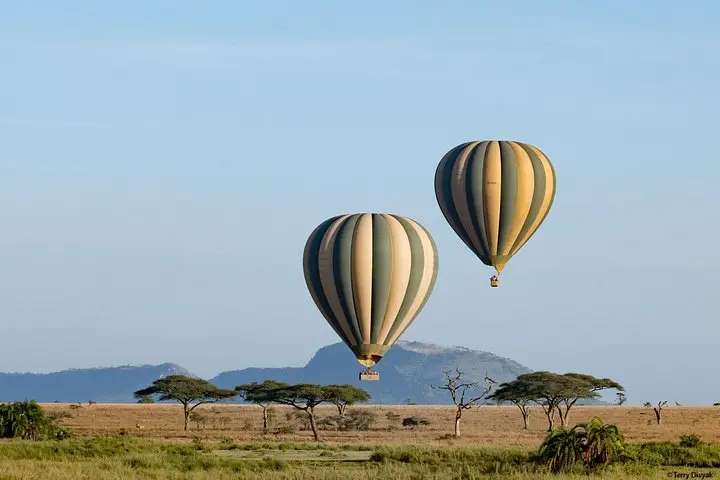
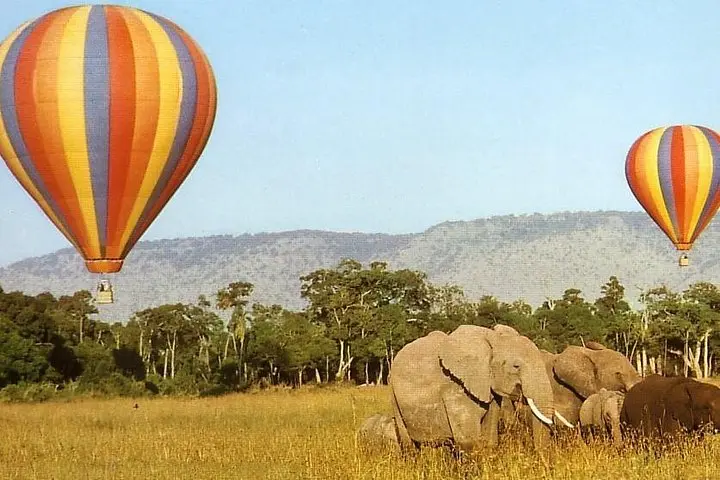
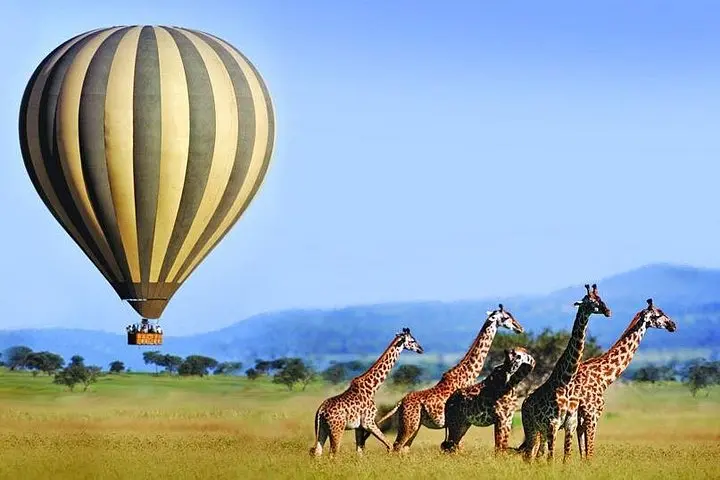
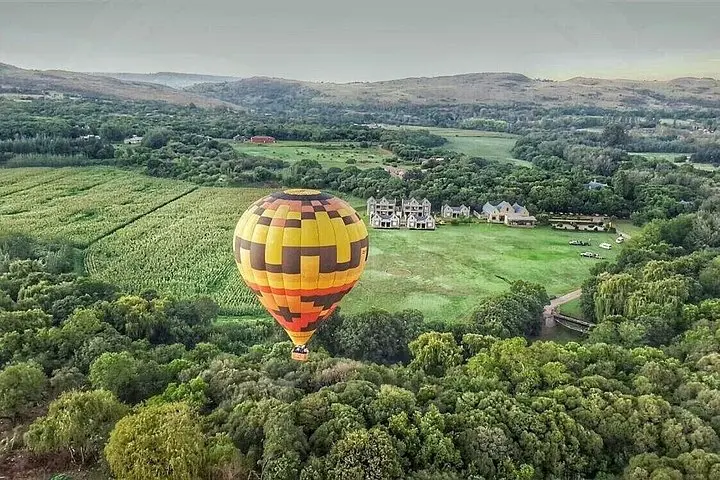
Dawn breaks over the Mara and the grass exhales mist; a balloon inflates and lifts you above a landscape where rivers cut shallow troughs and acacia crowns throw long shadows. From the basket the plains spread like a living map—zebras flicker, wildebeest stream toward the Mara River, and a distant lion pauses as if checking the sky.
Dawn breaks over the Mara and the grass exhales mist; a balloon inflates and lifts you above a landscape where rivers cut shallow troughs and acacia crowns throw long shadows. From the basket the plains spread like a living map—zebras flicker, wildebeest stream toward the Mara River, and a distant lion pauses as if checking the sky.
The Masai Mara sits on the southern edge of the Kenyan Rift Valley, carved by tectonic forces and fed by seasonal rains that drive the Great Migration. The reserve is named for the Maasai people—an enduring pastoral culture whose homesteads and beadwork punctuate the land. Geologically the Mara’s open plains and riverine forests create habitats for hippos, crocodiles and the big five; ecologically they’re linked to the Serengeti across the border.
This three-day itinerary mixes road transfers with morning and afternoon game drives, a sunrise hot-air balloon flight with champagne breakfast, and a picnic by the Mara River. Expect long but rewarding vehicle hours between Nairobi and the reserve, early starts (pre-dawn pickups), and unlimited game viewing on full days. Guides read spoor and light, positioning vehicles for photos while keeping safe distances.
Pack layered clothing for cold mornings, sun protection, and binoculars. Hydrate on long drives and keep noise low—wildlife reacts quickly. If you plan the July–October window, watch the migration crossings; shoulder seasons offer green plains and newborns.
Practical: confirm pickup point in Nairobi, verify balloon weather policies, and bring cash for tips and small purchases. Respect Maasai village boundaries and follow guide instructions—this keeps animals wild and the landscape open for others.