THE ADVENTURE COLLECTIVE® · Independent discovery and booking for outdoor travel

Spend three days tracking the Masai Mara’s wildlife from a budget campsite—early game drives, Maasai cultural visits, and the chance to see the migration. This practical guide covers what to expect, when to go, and what to pack.
Spend three days tracking the Masai Mara’s wildlife from a budget campsite—early game drives, Maasai cultural visits, and the chance to see the migration. This practical guide covers what to expect, when to go, and what to pack.
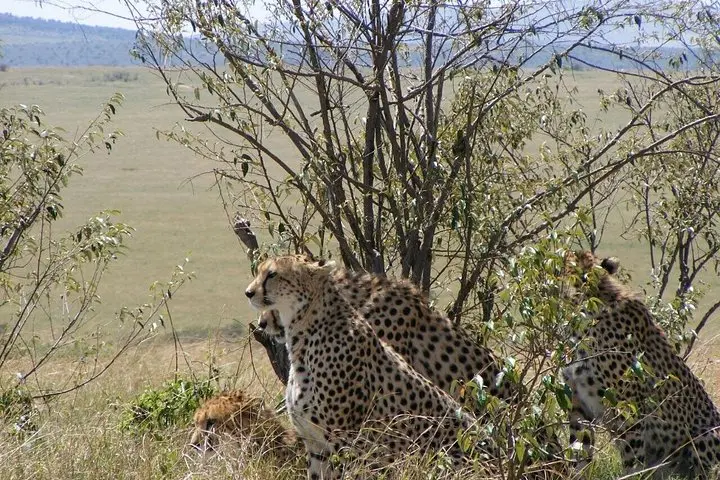
The first light of an East African morning cuts across open grassland as your 4x4 rumbles toward the Mara; birds lift off like punctuation, and the horizon already holds lazy silhouettes of giraffes. By mid-morning the pop-up roof becomes your front-row seat—lions lounging on koppies, elephants threading through acacia, and the Mara River daring wildebeest to cross.
Verified experiences and guided adventures in the surrounding area.
Operated by PITA SAFARIS · Narok, Narok County
The first light of an East African morning cuts across open grassland as your 4x4 rumbles toward the Mara; birds lift off like punctuation, and the horizon already holds lazy silhouettes of giraffes. By mid-morning the pop-up roof becomes your front-row seat—lions lounging on koppies, elephants threading through acacia, and the Mara River daring wildebeest to cross.
The Masai Mara sits on the northern edge of the Serengeti ecosystem, a rolling savanna carved over millennia by seasonal rains and the Mara River’s meanders. The reserve takes its name from the Maasai people—pastoralists whose culture and land stewardship remain woven into local life—and has been managed for wildlife conservation since the mid-20th century.
Expect wide plains, riverine thickets, and scattered rocky outcrops; elevation around 1,400–1,700 m gives cool mornings and warm afternoons. Cultural stops at Maasai villages offer direct insight into traditional life—be mindful and bring small, pre-arranged gifts if visiting.
Practically: the tour departs Nairobi early (drive ~5–6 hours, ~270 km depending on route/traffic) and includes two nights at budget camps with shared facilities, meals as per itinerary, bottled water, and park fees. Game drives fill mornings and afternoons—bring binoculars, camera, sun protection and a warm layer for cold nights. Roads can be rough in the rains; choose dry-season travel (June–October) for easier access and peak migration viewing. Respect wildlife viewing distances, follow your guide’s instructions, and pack out what you pack in. This budget camping option keeps you close to the animals and under the stars—raw, immediate, and resolutely practical.
Expect approximately 5–6 hours by road depending on traffic and the chosen route; pickup times are usually early morning to maximize game drive time.
Yes—this tour includes Masai Mara park entry fees, meals as per the itinerary, bottled water, and two nights’ budget camping accommodation.
Camps are budget-level with shared facilities; confirm if bedding is provided—bringing a lightweight sleeping bag liner is recommended for hygiene and warmth.
Both are commonly offered as optional extras during the full-day reserve visit; they incur additional costs and should be booked in advance when possible.
PITA SAFARIS operates guided outdoor trips and adventures with an emphasis on safety, stewardship, and memorable experiences.
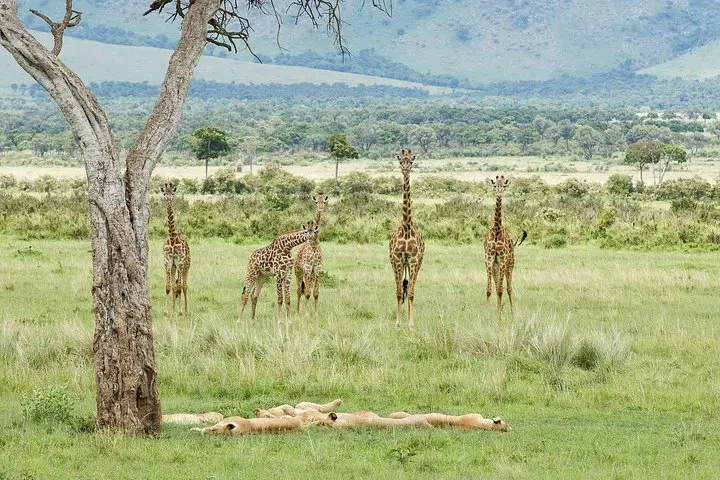
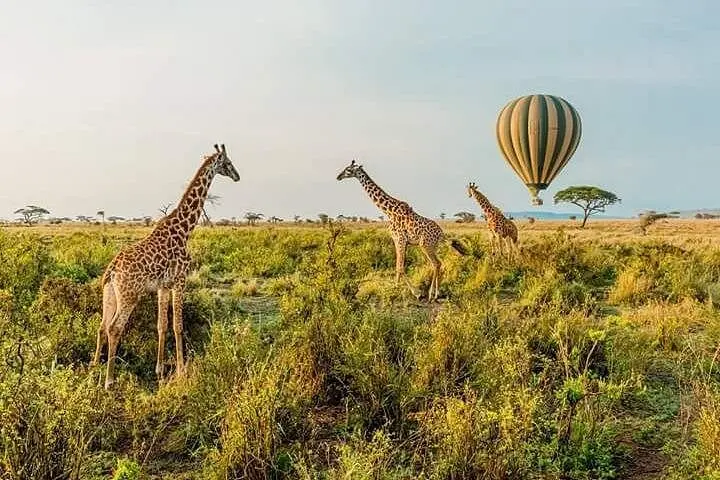
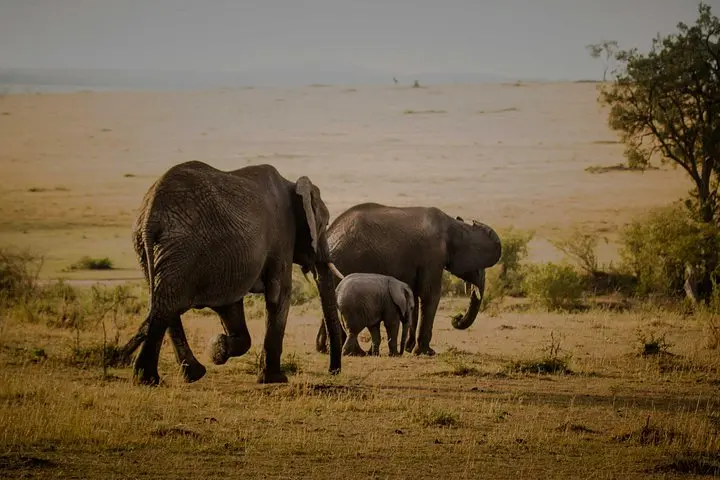
The first light of an East African morning cuts across open grassland as your 4x4 rumbles toward the Mara; birds lift off like punctuation, and the horizon already holds lazy silhouettes of giraffes. By mid-morning the pop-up roof becomes your front-row seat—lions lounging on koppies, elephants threading through acacia, and the Mara River daring wildebeest to cross.
The first light of an East African morning cuts across open grassland as your 4x4 rumbles toward the Mara; birds lift off like punctuation, and the horizon already holds lazy silhouettes of giraffes. By mid-morning the pop-up roof becomes your front-row seat—lions lounging on koppies, elephants threading through acacia, and the Mara River daring wildebeest to cross.
The Masai Mara sits on the northern edge of the Serengeti ecosystem, a rolling savanna carved over millennia by seasonal rains and the Mara River’s meanders. The reserve takes its name from the Maasai people—pastoralists whose culture and land stewardship remain woven into local life—and has been managed for wildlife conservation since the mid-20th century.
Expect wide plains, riverine thickets, and scattered rocky outcrops; elevation around 1,400–1,700 m gives cool mornings and warm afternoons. Cultural stops at Maasai villages offer direct insight into traditional life—be mindful and bring small, pre-arranged gifts if visiting.
Practically: the tour departs Nairobi early (drive ~5–6 hours, ~270 km depending on route/traffic) and includes two nights at budget camps with shared facilities, meals as per itinerary, bottled water, and park fees. Game drives fill mornings and afternoons—bring binoculars, camera, sun protection and a warm layer for cold nights. Roads can be rough in the rains; choose dry-season travel (June–October) for easier access and peak migration viewing. Respect wildlife viewing distances, follow your guide’s instructions, and pack out what you pack in. This budget camping option keeps you close to the animals and under the stars—raw, immediate, and resolutely practical.