THE ADVENTURE COLLECTIVE® · Independent discovery and booking for outdoor travel

Three days in the Masai Mara on a budget camping safari puts you close to big cats, migrating wildebeest and Maasai culture. Early starts, long game drives and simple tented camps are part of the experience—this guide covers what to expect and how to prepare.
Three days in the Masai Mara on a budget camping safari puts you close to big cats, migrating wildebeest and Maasai culture. Early starts, long game drives and simple tented camps are part of the experience—this guide covers what to expect and how to prepare.
Dawn cracks open over the Mara and the air tastes of dust and coffee—jeeps hunched along red tracks, drivers already scanning the horizon. On a 3-day budget camping safari the Masai Mara feels immediate: the grasslands stretch like a stage and every rise can reveal a pride of lions, a solitary cheetah, or the rolling thunder of migrating wildebeest.
Verified experiences and guided adventures in the surrounding area.
Operated by Africa Tours · Narok, Narok County
Dawn cracks open over the Mara and the air tastes of dust and coffee—jeeps hunched along red tracks, drivers already scanning the horizon. On a 3-day budget camping safari the Masai Mara feels immediate: the grasslands stretch like a stage and every rise can reveal a pride of lions, a solitary cheetah, or the rolling thunder of migrating wildebeest.
Geologically the Mara pours out of the Rift Valley escarpment, its soils and seasonal rivers shaping grassland corridors that feed East Africa’s great migration. Historically the reserve sits on Maasai ancestral lands; many camps employ Maasai guides and the region still supports pastoralist communities who read weather and animal movement the way others read clocks.
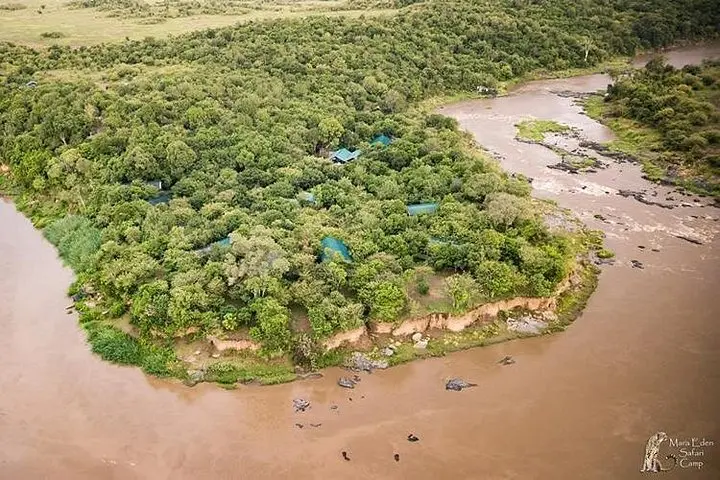
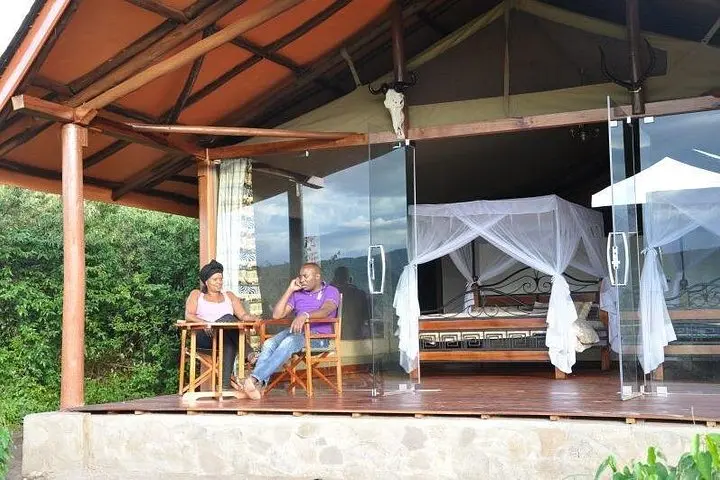
Travelers should expect long game drives in a 4x4 minivan with guaranteed window seating and open-top viewing for photos, two full game days, and budget tented camping at a simple wildlife camp. Meals are mostly provided; park entry fees and professional guiding are included. Wildlife viewing is variable—patience and early starts pay off. The migration peaks June–October with dramatic river crossings; off-peak months still offer resident big cats and prolific birdlife.
Practical tips: pack layered sun protection, a compact binocular, and a refillable water bottle; keep gear minimal for the short drives between vantage points. Respect park rules—stay in vehicles unless instructed, don’t feed animals, and follow guides’ directions. For photographers, golden hours around sunrise and sunset are when the Mara’s light turns plains into portrait studio. With basic comfort expectations and a readiness for early mornings, this budget camping safari delivers raw, close-up encounters with one of the planet’s most dynamic ecosystems.
Yes—this package includes all applicable Masai Mara park fees and most meals listed in the itinerary (two lunches, two dinners, and breakfasts as specified).
Round-trip transport from Nairobi is provided; pickup typically starts around 08:00 from agreed hotel or pickup point, returning to Nairobi on day three in the afternoon.
Camps are basic budget tented camps with camp staff; tents are suitable for most travelers, and camps follow wildlife safety protocols—expect simple amenities rather than luxury lodge standards.
The migration usually moves through the Masai Mara between June and October, with river crossings peaking within that window, though exact timing varies each year.
Africa Tours operates guided outdoor trips and adventures with an emphasis on safety, stewardship, and memorable experiences.
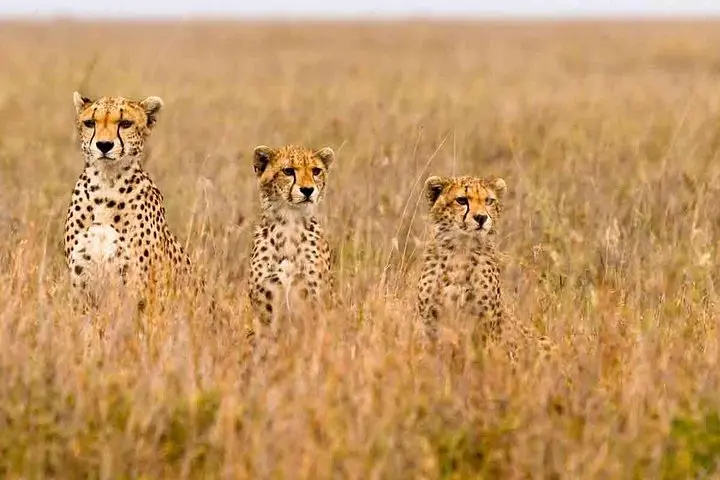
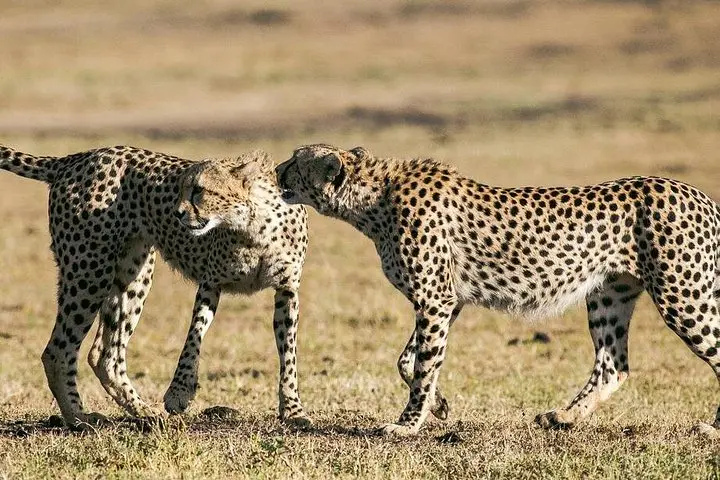
Dawn cracks open over the Mara and the air tastes of dust and coffee—jeeps hunched along red tracks, drivers already scanning the horizon. On a 3-day budget camping safari the Masai Mara feels immediate: the grasslands stretch like a stage and every rise can reveal a pride of lions, a solitary cheetah, or the rolling thunder of migrating wildebeest.
Dawn cracks open over the Mara and the air tastes of dust and coffee—jeeps hunched along red tracks, drivers already scanning the horizon. On a 3-day budget camping safari the Masai Mara feels immediate: the grasslands stretch like a stage and every rise can reveal a pride of lions, a solitary cheetah, or the rolling thunder of migrating wildebeest.
Geologically the Mara pours out of the Rift Valley escarpment, its soils and seasonal rivers shaping grassland corridors that feed East Africa’s great migration. Historically the reserve sits on Maasai ancestral lands; many camps employ Maasai guides and the region still supports pastoralist communities who read weather and animal movement the way others read clocks.
Travelers should expect long game drives in a 4x4 minivan with guaranteed window seating and open-top viewing for photos, two full game days, and budget tented camping at a simple wildlife camp. Meals are mostly provided; park entry fees and professional guiding are included. Wildlife viewing is variable—patience and early starts pay off. The migration peaks June–October with dramatic river crossings; off-peak months still offer resident big cats and prolific birdlife.
Practical tips: pack layered sun protection, a compact binocular, and a refillable water bottle; keep gear minimal for the short drives between vantage points. Respect park rules—stay in vehicles unless instructed, don’t feed animals, and follow guides’ directions. For photographers, golden hours around sunrise and sunset are when the Mara’s light turns plains into portrait studio. With basic comfort expectations and a readiness for early mornings, this budget camping safari delivers raw, close-up encounters with one of the planet’s most dynamic ecosystems.