THE ADVENTURE COLLECTIVE® · Independent discovery and booking for outdoor travel

Three days of early-morning game drives, evening campfires and an optional Maasai village visit — this 4x4 camping safari covers the Mara’s big cats, hippo pools and Rift Valley viewpoints. Practical for first-time safari travelers and ideal for those chasing the Great Migration.
Three days of early-morning game drives, evening campfires and an optional Maasai village visit — this 4x4 camping safari covers the Mara’s big cats, hippo pools and Rift Valley viewpoints. Practical for first-time safari travelers and ideal for those chasing the Great Migration.
Dawn spills gold across the savanna and the jeep’s engine hums as the driver eases off the track. You’re in the Great Rift Valley’s shadow, moving toward the wide-open plains of the Masai Mara where lions yawn into morning light and wildebeest thicken the horizon.
Verified experiences and guided adventures in the surrounding area.
Operated by Trail Tracers Tours and Travels · Masai Mara, Narok County
Dawn spills gold across the savanna and the jeep’s engine hums as the driver eases off the track. You’re in the Great Rift Valley’s shadow, moving toward the wide-open plains of the Masai Mara where lions yawn into morning light and wildebeest thicken the horizon.
The reserve sits on geology shaped by rifting and volcanic uplifts; the escarpments give way to grassland that supports one of Africa’s greatest migrations. Maasai culture is visible at the reserve edge — many camps partner with local families, allowing for short village visits that explain pastoral life, beadwork, and cattle guardianship more than tourist performance.
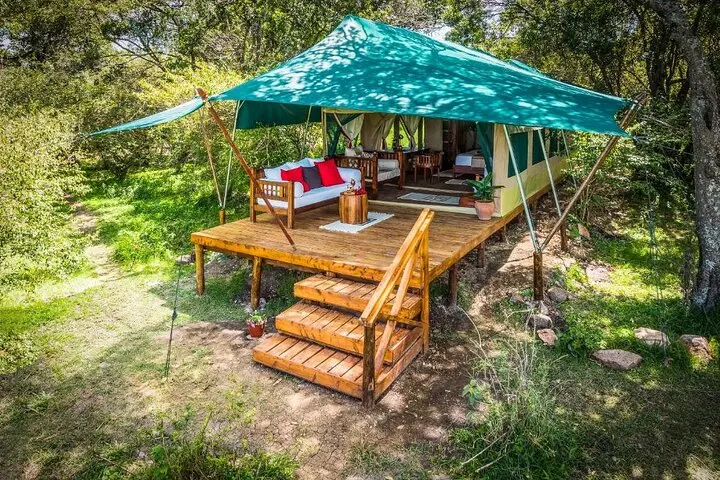
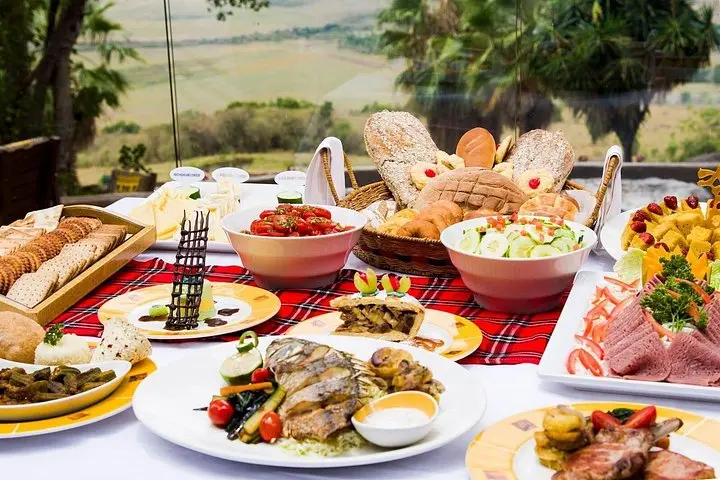
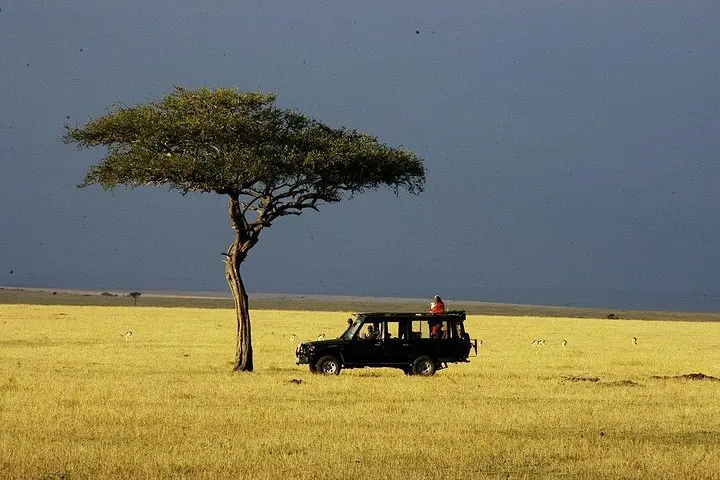
Expect full-day and timed morning/afternoon drives from an open-roof 4x4 adapted for wildlife viewing, with picnic lunches by hippo pools and nights at a tented camp or basic lodge. Wildlife viewing hinges on seasons: the long and short rains change grass height and visibility, and the Great Migration sweeps through July–October.
Practical guide: pack layers for cold mornings, secure your camera with a strap, and carry a small daypack with water and snacks for interlude stops. Respect the animals — remain quiet during sightings and follow your guide’s instructions. Mobile signal is intermittent; bring chargers and extra cash for optional village visits or tips. For first-time safari-goers this is an accessible, low-impact way to experience the Mara’s predators, grazers, and birds while learning about local stewardship. Book with arrival logistics in mind — most departures include Nairobi pickup at 7:30 a.m., and the road transfer takes several hours.
Yes—vehicles are comfortable and the itinerary is rated easy; children must sit on laps if very young, and mobility needs should be communicated in advance.
Consult your doctor before travel; malaria prophylaxis is commonly recommended for the Mara and routine vaccinations should be up to date.
Confirm inclusion at booking—this tour lists meals and some fees; tipping guides and camp staff is customary and appreciated.
Yes—an optional village visit is offered for an extra fee (often around $20); proceeds usually support local communities.
Trail Tracers Tours and Travels operates guided outdoor trips and adventures with an emphasis on safety, stewardship, and memorable experiences.
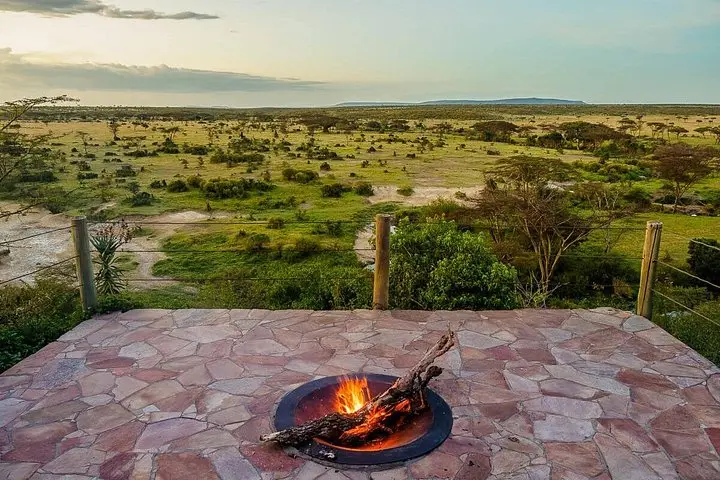
Dawn spills gold across the savanna and the jeep’s engine hums as the driver eases off the track. You’re in the Great Rift Valley’s shadow, moving toward the wide-open plains of the Masai Mara where lions yawn into morning light and wildebeest thicken the horizon.
Dawn spills gold across the savanna and the jeep’s engine hums as the driver eases off the track. You’re in the Great Rift Valley’s shadow, moving toward the wide-open plains of the Masai Mara where lions yawn into morning light and wildebeest thicken the horizon.
The reserve sits on geology shaped by rifting and volcanic uplifts; the escarpments give way to grassland that supports one of Africa’s greatest migrations. Maasai culture is visible at the reserve edge — many camps partner with local families, allowing for short village visits that explain pastoral life, beadwork, and cattle guardianship more than tourist performance.
Expect full-day and timed morning/afternoon drives from an open-roof 4x4 adapted for wildlife viewing, with picnic lunches by hippo pools and nights at a tented camp or basic lodge. Wildlife viewing hinges on seasons: the long and short rains change grass height and visibility, and the Great Migration sweeps through July–October.
Practical guide: pack layers for cold mornings, secure your camera with a strap, and carry a small daypack with water and snacks for interlude stops. Respect the animals — remain quiet during sightings and follow your guide’s instructions. Mobile signal is intermittent; bring chargers and extra cash for optional village visits or tips. For first-time safari-goers this is an accessible, low-impact way to experience the Mara’s predators, grazers, and birds while learning about local stewardship. Book with arrival logistics in mind — most departures include Nairobi pickup at 7:30 a.m., and the road transfer takes several hours.