THE ADVENTURE COLLECTIVE® · Independent discovery and booking for outdoor travel

Three days of focused game drives from Nairobi deliver sunrise predator hunts, full-day plains viewing, and chances to see the Big Five and the wildebeest migration. Practical details on timing, camps, and what to pack make this a straightforward safari for first-time and returning visitors alike.
Three days of focused game drives from Nairobi deliver sunrise predator hunts, full-day plains viewing, and chances to see the Big Five and the wildebeest migration. Practical details on timing, camps, and what to pack make this a straightforward safari for first-time and returning visitors alike.
A low-slung jeep rattles over the escarpment at first light and the Mara opens ahead: wide grassland, pale acacia silhouettes, and long shadows where predators read the plains. You slide into a dusty seat as the guide scans the horizon; within hours the air smells of dry grass and diesel, and the reserve begins to reveal itself in sudden bursts — grazing wildebeest, a lone black-maned lion, hippos wallowing in muddy pools.
Verified experiences and guided adventures in the surrounding area.
Operated by ADVENTURE BACKPACKERS TANZANIA · Narok, Narok County
A low-slung jeep rattles over the escarpment at first light and the Mara opens ahead: wide grassland, pale acacia silhouettes, and long shadows where predators read the plains. You slide into a dusty seat as the guide scans the horizon; within hours the air smells of dry grass and diesel, and the reserve begins to reveal itself in sudden bursts — grazing wildebeest, a lone black-maned lion, hippos wallowing in muddy pools.
The route follows the Great Rift Valley’s rim, a scar on the landscape formed over millions of years that frames the Mara’s rolling savannah. Maasai communities have grazed these plains for generations; their cultures and conservancies now shape how wildlife and people coexist here. Geologically young escarpments and riverine habitats create concentration points for game, and the Mara’s seasonal wildebeest migration — most dramatic July–October — is the region’s headline act.
Practically, this is a compact, vehicle-based safari: depart Nairobi around 08:15 on day one, arrive mid-afternoon, enjoy an introductory game drive, a full day of game drives with picnic lunches at Hippo Pools on day two, and a sunrise drive (06:30–09:30) before returning to Nairobi on day three. Accommodations rotate among Enchoro Wildlife Camp, Rhino Tourist Camp, Manyatta Camp or similar; group size up to eight. Expect bumpy roads, open-sided vehicles for better viewing, and a rhythm set by animal activity rather than clocks.
Pack binoculars, sun protection, layered clothing for cool mornings and hot afternoons, and mosquito repellent. Bring modest cash for park fees, tips, and community purchases. With basic mobility and a readiness for early starts, this three-day loop delivers concentrated Mara wildlife viewing and a direct taste of East Africa’s great plains.
The Masai Mara is most famous for wildebeest river crossings from July through October, though wildlife viewing is strong year-round with different species behaviors each season.
Meals listed in the itinerary include multiple lunches, dinners and breakfasts during the trip; confirm park fees and any optional extras with the operator when booking.
The tour notes it is stroller and wheelchair accessible in some sections, but safaris require getting into and out of vehicles; check specific transfer options and vehicle access before booking.
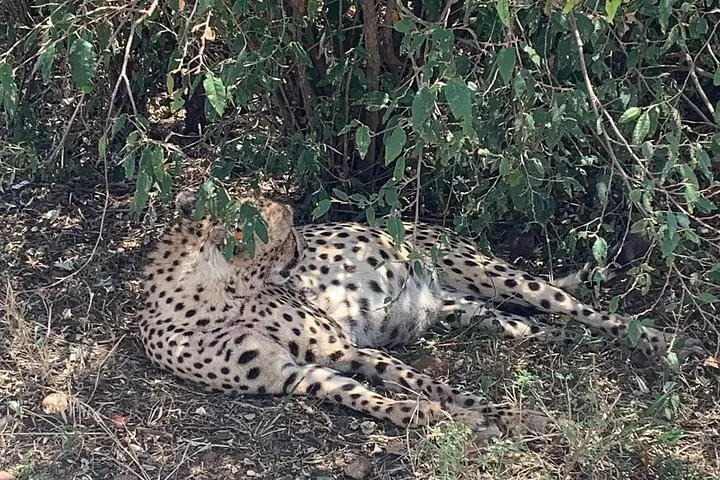
The Masai Mara hosts the Big Five, and multi-day drives significantly increase chances of sightings, but wildlife encounters cannot be guaranteed and depend on animal movements.
ADVENTURE BACKPACKERS TANZANIA operates guided outdoor trips and adventures with an emphasis on safety, stewardship, and memorable experiences.
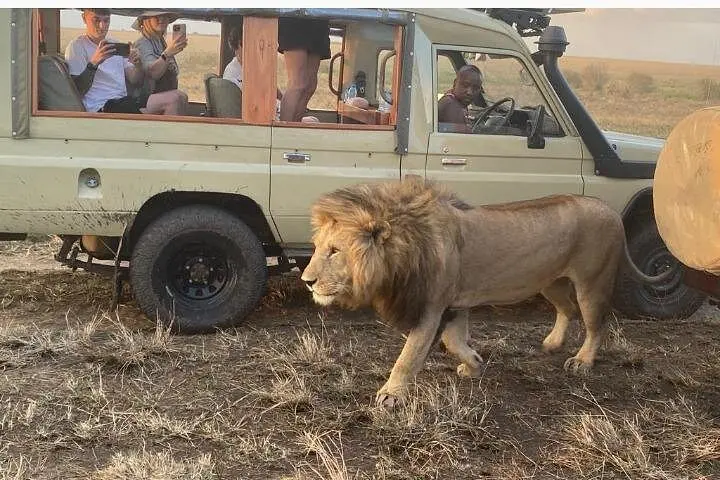
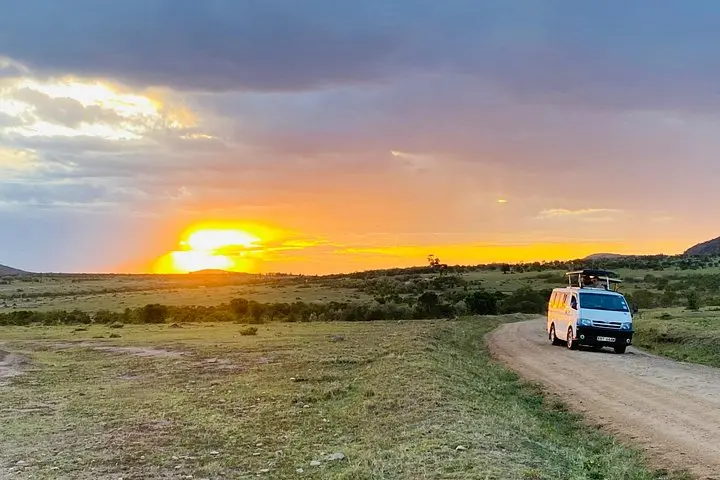
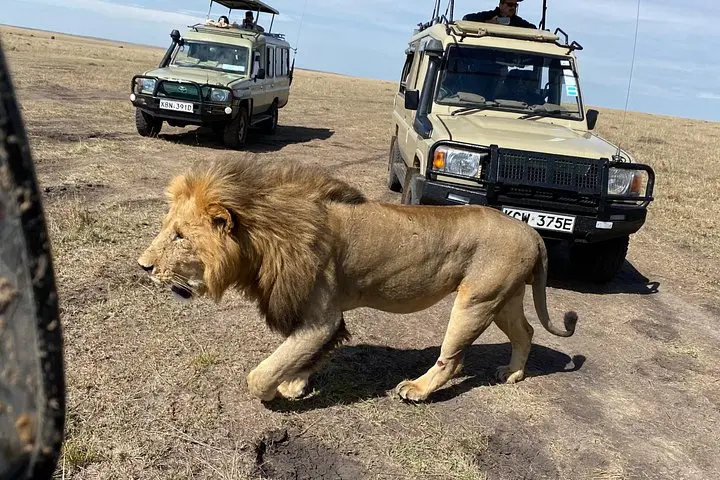
A low-slung jeep rattles over the escarpment at first light and the Mara opens ahead: wide grassland, pale acacia silhouettes, and long shadows where predators read the plains. You slide into a dusty seat as the guide scans the horizon; within hours the air smells of dry grass and diesel, and the reserve begins to reveal itself in sudden bursts — grazing wildebeest, a lone black-maned lion, hippos wallowing in muddy pools.
A low-slung jeep rattles over the escarpment at first light and the Mara opens ahead: wide grassland, pale acacia silhouettes, and long shadows where predators read the plains. You slide into a dusty seat as the guide scans the horizon; within hours the air smells of dry grass and diesel, and the reserve begins to reveal itself in sudden bursts — grazing wildebeest, a lone black-maned lion, hippos wallowing in muddy pools.
The route follows the Great Rift Valley’s rim, a scar on the landscape formed over millions of years that frames the Mara’s rolling savannah. Maasai communities have grazed these plains for generations; their cultures and conservancies now shape how wildlife and people coexist here. Geologically young escarpments and riverine habitats create concentration points for game, and the Mara’s seasonal wildebeest migration — most dramatic July–October — is the region’s headline act.
Practically, this is a compact, vehicle-based safari: depart Nairobi around 08:15 on day one, arrive mid-afternoon, enjoy an introductory game drive, a full day of game drives with picnic lunches at Hippo Pools on day two, and a sunrise drive (06:30–09:30) before returning to Nairobi on day three. Accommodations rotate among Enchoro Wildlife Camp, Rhino Tourist Camp, Manyatta Camp or similar; group size up to eight. Expect bumpy roads, open-sided vehicles for better viewing, and a rhythm set by animal activity rather than clocks.
Pack binoculars, sun protection, layered clothing for cool mornings and hot afternoons, and mosquito repellent. Bring modest cash for park fees, tips, and community purchases. With basic mobility and a readiness for early starts, this three-day loop delivers concentrated Mara wildlife viewing and a direct taste of East Africa’s great plains.