THE ADVENTURE COLLECTIVE® · Independent discovery and booking for outdoor travel

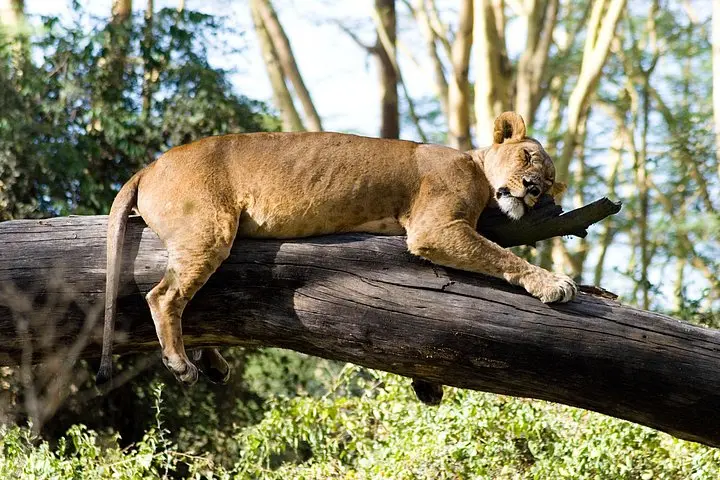
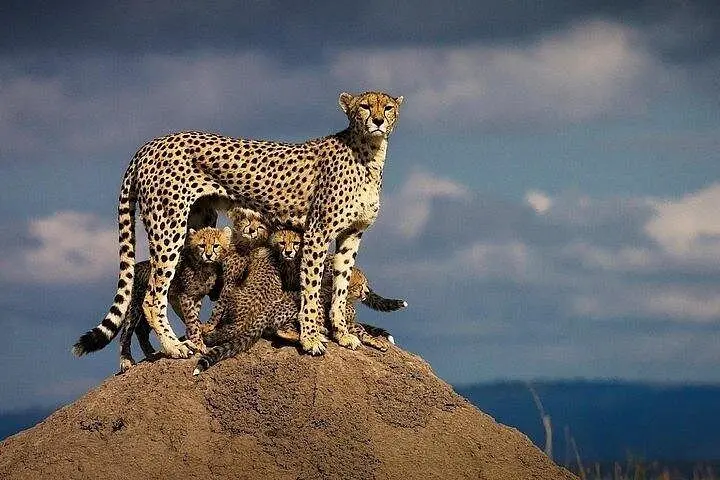
Three days in the Masai Mara deliver close encounters with the Big Five, river crossings during the wildebeest migration, and nights under acacia-scattered skies. This jeep safari balances comfortable logistics with raw wildlife viewing in one of Africa’s most iconic reserves.
Three days in the Masai Mara deliver close encounters with the Big Five, river crossings during the wildebeest migration, and nights under acacia-scattered skies. This jeep safari balances comfortable logistics with raw wildlife viewing in one of Africa’s most iconic reserves.
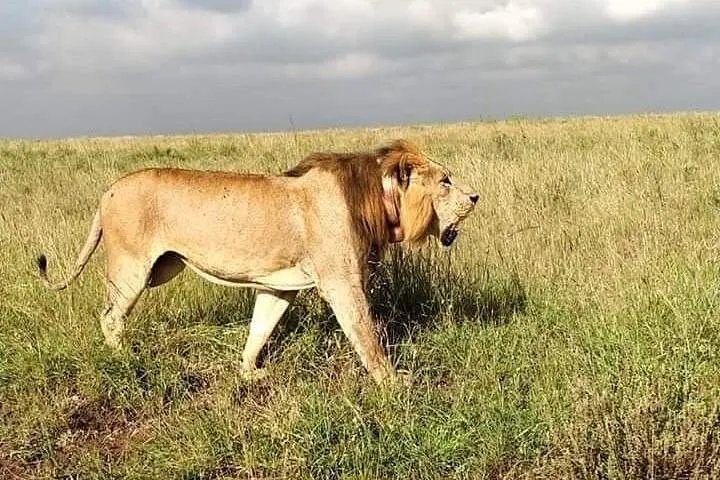
Dawn strips the savanna of its cool, leaving palms rimed in gold as the jeep crunches across dry grass. You feel the landscape move — the plains pushing you forward, the wind on your face like a guide — and a lion’s silhouette resolves on a distant kopje.
Verified experiences and guided adventures in the surrounding area.
Operated by Sabilom Kenya Tours & Safaris · Masai Mara, Narok County
Dawn strips the savanna of its cool, leaving palms rimed in gold as the jeep crunches across dry grass. You feel the landscape move — the plains pushing you forward, the wind on your face like a guide — and a lion’s silhouette resolves on a distant kopje.
The Masai Mara sits on the northern edge of the Serengeti ecosystem, a sweeping grassland shaped by volcanic soils and seasonal rains. Human history here is recent and rich: Maasai pastoralists have grazed cattle across these plains for generations, and colonial-era routes later opened the reserve for scientific study and tourism. Geology is simple but dramatic — plateaus, riverine corridors and isolated granite outcrops that attract game and provide lookout points.
Culture threads through the safari: Maasai bomas dot the outskirts, and traditional beadwork and stories offer context to what you see in the field. Expect sweeping views of grassland, river crossings during migration season, and concentrated predator activity around watering holes.
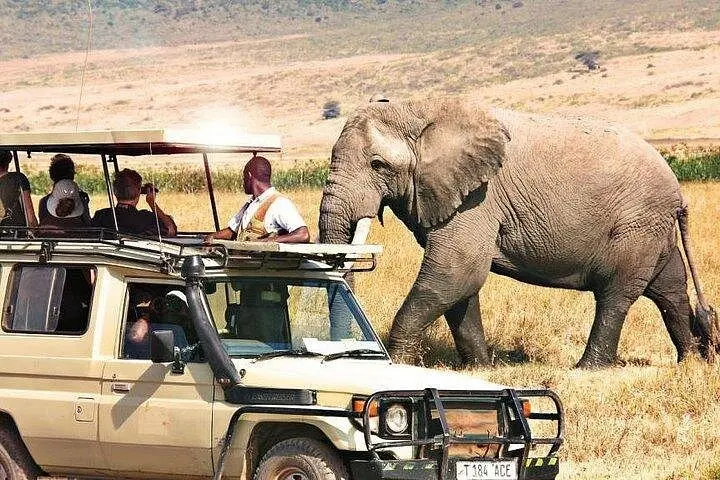
Practical guidance: this is a vehicle-based, low-impact trip best booked with sun protection, reliable binoculars and a camera with a long lens. Mornings are cold; afternoons can be hot and dusty. Vehicles are your platform for photography and wildlife viewing — keep movements slow, listen to your guide, and respect distance rules around big game. Hydrate, carry motion-sickness meds if you’re sensitive to unpaved roads, and budget time to visit a Maasai community to round out the experience.
The Masai Mara typically hosts the northern stages of the Serengeti migration from July to October when animals cross rivers; exact timing varies yearly with rains.
This tour lists accommodation and meals as included — confirm specifics (camp vs lodge, meal types) with the operator at booking.
Malaria risk exists in the region; consult a travel clinic for current vaccine and prophylaxis advice and bring insect repellent.
Game drives are spread across three days; this shared tour allows up to 15 travelers per vehicle — private vehicle options may be available at extra cost.
Sabilom Kenya Tours & Safaris operates guided outdoor trips and adventures with an emphasis on safety, stewardship, and memorable experiences.
Dawn strips the savanna of its cool, leaving palms rimed in gold as the jeep crunches across dry grass. You feel the landscape move — the plains pushing you forward, the wind on your face like a guide — and a lion’s silhouette resolves on a distant kopje.
Dawn strips the savanna of its cool, leaving palms rimed in gold as the jeep crunches across dry grass. You feel the landscape move — the plains pushing you forward, the wind on your face like a guide — and a lion’s silhouette resolves on a distant kopje.
The Masai Mara sits on the northern edge of the Serengeti ecosystem, a sweeping grassland shaped by volcanic soils and seasonal rains. Human history here is recent and rich: Maasai pastoralists have grazed cattle across these plains for generations, and colonial-era routes later opened the reserve for scientific study and tourism. Geology is simple but dramatic — plateaus, riverine corridors and isolated granite outcrops that attract game and provide lookout points.
Culture threads through the safari: Maasai bomas dot the outskirts, and traditional beadwork and stories offer context to what you see in the field. Expect sweeping views of grassland, river crossings during migration season, and concentrated predator activity around watering holes.
Practical guidance: this is a vehicle-based, low-impact trip best booked with sun protection, reliable binoculars and a camera with a long lens. Mornings are cold; afternoons can be hot and dusty. Vehicles are your platform for photography and wildlife viewing — keep movements slow, listen to your guide, and respect distance rules around big game. Hydrate, carry motion-sickness meds if you’re sensitive to unpaved roads, and budget time to visit a Maasai community to round out the experience.