THE ADVENTURE COLLECTIVE® · Independent discovery and booking for outdoor travel

Three days of shared 4x4 game drives from Nairobi into the Masai Mara give high chances of lion encounters, birdwatching and—seasonally—the Great Wildebeest Migration. Expect long drive times, early dawns and open-roof viewing for optimal sightings.
Three days of shared 4x4 game drives from Nairobi into the Masai Mara give high chances of lion encounters, birdwatching and—seasonally—the Great Wildebeest Migration. Expect long drive times, early dawns and open-roof viewing for optimal sightings.
Dawn breaks across the Masai Mara and the plains already seem to be moving — a low wind, a rustle of grass, and a line of wildebeest that appears like a gray river crossing the horizon. Your vehicle’s open roof becomes a theater seat for lions padding through acacia shade and birds that hawk the thermals.
Verified experiences and guided adventures in the surrounding area.
Operated by Kenya Safaris · Masai Mara, Narok County
Dawn breaks across the Masai Mara and the plains already seem to be moving — a low wind, a rustle of grass, and a line of wildebeest that appears like a gray river crossing the horizon. Your vehicle’s open roof becomes a theater seat for lions padding through acacia shade and birds that hawk the thermals.
The Masai Mara sits on the southern edge of the Kenyan Rift Valley, carved by millennia of geological uplift and river action. Established in 1961, the reserve protects rolling savanna, riverine thickets and the Mara River — a corridor that pulses with life, especially during the July–October migration when herds surge north from Tanzania’s Serengeti.
Local culture is visible along the route: pastoral Maasai homesteads, ochre-clad elders and beadwork sold at roadside stops remind visitors that tourism underwrites livelihoods here. Birdlife is abundant — over 400 species have been recorded — and predators are concentrated by the river and escarpment.
Practical notes: the trip is a roughly 5–6 hour drive from Nairobi (about 240 km) with shared 4x4 transport and guided game drives of about 6–8 hours on activity days. Expect bumpy roads, early wakes for dawn drives and full-day seat time. Pack a 200–400mm lens, binoculars, sun protection, malaria precautions and layered clothing for cool mornings and hot afternoons. Hydrate, bring motion-sickness remedies if needed, and plan for optional community visits (usual fee applies). With a mix of patient observation and quick eyes, this three-day circuit delivers high chances of predator sightings, dramatic river crossings in season, and a clear view into the rhythms that shape East Africa’s great savanna.
Road transfer is about 4.5–6 hours depending on traffic and the chosen route; pickups are scheduled early to maximize game-viewing time.
The Mara commonly receives the migration between July and October when herds cross north from the Serengeti; exact timing varies year to year.
The itinerary includes shared tented camp accommodation (e.g., Goshen Mara Camp or similar) with three meals on the schedule; facilities are basic to mid-range depending on the operator.
A visit to a Maasai village is optional and usually charged extra (the local operator lists an approximate $20 fee); it supports community income but confirm pricing locally.
Kenya Safaris operates guided outdoor trips and adventures with an emphasis on safety, stewardship, and memorable experiences.
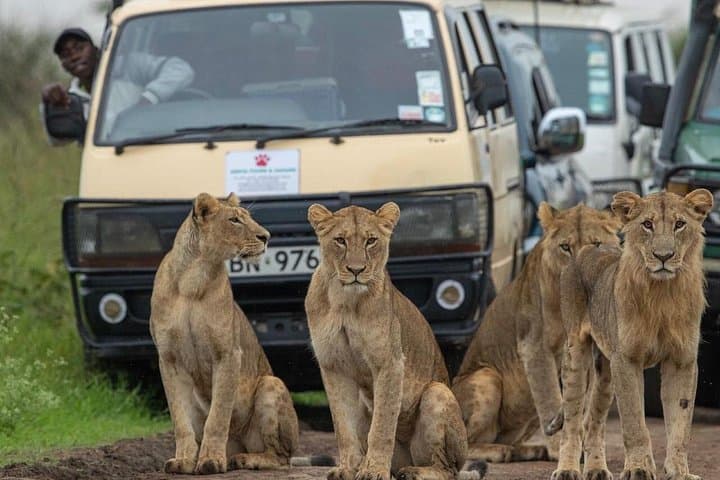
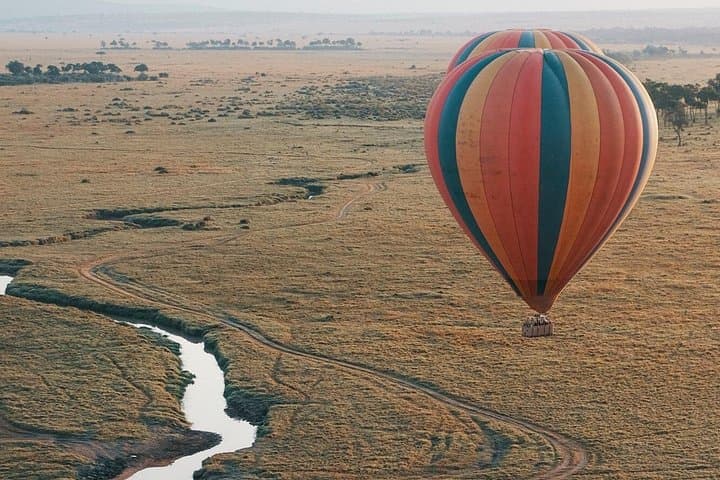
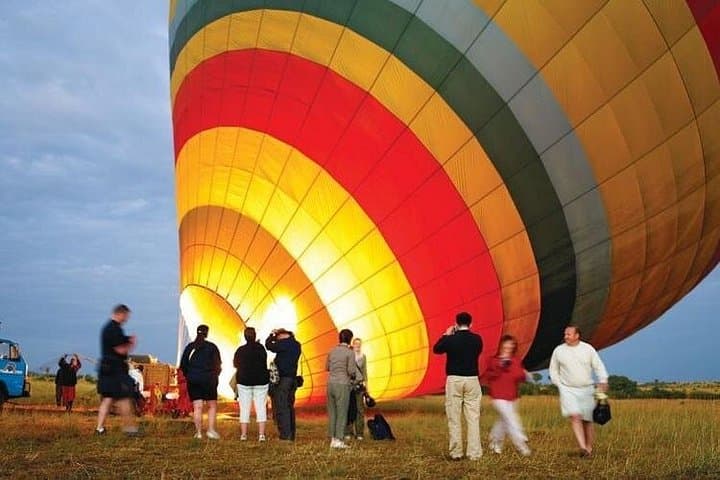
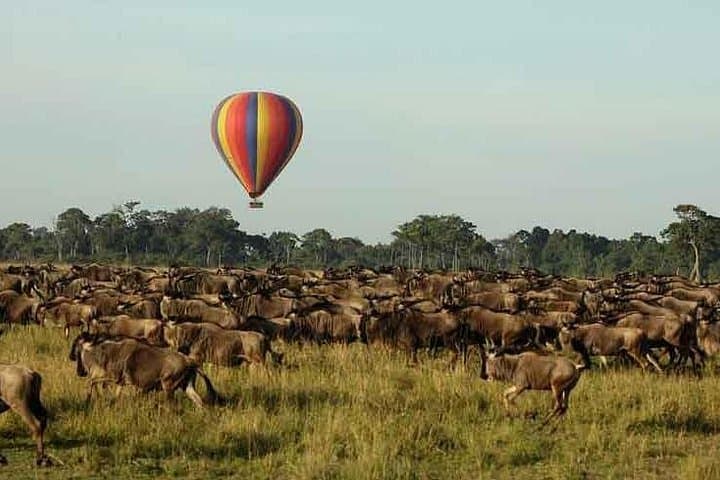
Dawn breaks across the Masai Mara and the plains already seem to be moving — a low wind, a rustle of grass, and a line of wildebeest that appears like a gray river crossing the horizon. Your vehicle’s open roof becomes a theater seat for lions padding through acacia shade and birds that hawk the thermals.
Dawn breaks across the Masai Mara and the plains already seem to be moving — a low wind, a rustle of grass, and a line of wildebeest that appears like a gray river crossing the horizon. Your vehicle’s open roof becomes a theater seat for lions padding through acacia shade and birds that hawk the thermals.
The Masai Mara sits on the southern edge of the Kenyan Rift Valley, carved by millennia of geological uplift and river action. Established in 1961, the reserve protects rolling savanna, riverine thickets and the Mara River — a corridor that pulses with life, especially during the July–October migration when herds surge north from Tanzania’s Serengeti.
Local culture is visible along the route: pastoral Maasai homesteads, ochre-clad elders and beadwork sold at roadside stops remind visitors that tourism underwrites livelihoods here. Birdlife is abundant — over 400 species have been recorded — and predators are concentrated by the river and escarpment.
Practical notes: the trip is a roughly 5–6 hour drive from Nairobi (about 240 km) with shared 4x4 transport and guided game drives of about 6–8 hours on activity days. Expect bumpy roads, early wakes for dawn drives and full-day seat time. Pack a 200–400mm lens, binoculars, sun protection, malaria precautions and layered clothing for cool mornings and hot afternoons. Hydrate, bring motion-sickness remedies if needed, and plan for optional community visits (usual fee applies). With a mix of patient observation and quick eyes, this three-day circuit delivers high chances of predator sightings, dramatic river crossings in season, and a clear view into the rhythms that shape East Africa’s great savanna.