THE ADVENTURE COLLECTIVE® · Independent discovery and booking for outdoor travel

Join a budget 3-day joining safari to the Masai Mara with shared open-roof 4x4 game drives and two nights at Rhino Tourist Camp. Expect early morning and late afternoon drives, close wildlife encounters, and prime viewing during the July–October migration.
Join a budget 3-day joining safari to the Masai Mara with shared open-roof 4x4 game drives and two nights at Rhino Tourist Camp. Expect early morning and late afternoon drives, close wildlife encounters, and prime viewing during the July–October migration.
You step into the open roof of a 4x4 before dawn, engine rumbling as the Rift Valley floor gives way to rolling grassland. Early light picks out a lone acacia; hyrax chatter and distant hooves shape the rhythm. Over the next three days the Mara’s plains unfold: riverine strips where hippos wallow, wide savanna that funnels migrating herds, and an escarpment that drops away to give the landscape its scale.
Verified experiences and guided adventures in the surrounding area.
Operated by Achillies Safaris · Narok, Narok County
You step into the open roof of a 4x4 before dawn, engine rumbling as the Rift Valley floor gives way to rolling grassland. Early light picks out a lone acacia; hyrax chatter and distant hooves shape the rhythm. Over the next three days the Mara’s plains unfold: riverine strips where hippos wallow, wide savanna that funnels migrating herds, and an escarpment that drops away to give the landscape its scale.
The Masai Mara, named for the Maasai people and the Mara River, is the northern extension of the Serengeti. Geology here is recent—loose volcanic soils and river-cut valleys feed rich grasslands that support high-density grazers and, in turn, predators. Cultural presence is visible: Maasai bomas dot the approach roads, and traditional grazing patterns still influence where wildlife congregates. Small camps like Rhino Tourist Camp operate on a model of shared vehicles and community-based services, keeping footprints light while providing close-up wildlife viewing.
Practically, expect two game drives most days (early morning and late afternoon), long but comfortable vehicle time from Nairobi (~5–6 hours), and full board tented accommodation. July–October is peak for river crossings during the wildebeest migration; other months reward quieter, predator-focused viewing. Pack layered sun protection, refillable water, binoculars, and a camera with a long lens. Bring local cash for tips and small purchases; vehicles are open-sided so secure loose items.
This is a budget, social safari: join other guests, share sightings, and trade notes as the Mara tests your patience and rewards it with spectacle.
Expect roughly 5–6 hours each way depending on traffic and stops, with the route crossing the Rift Valley and rural towns.
Migration viewing is seasonal—July to October offers the best chance of river crossings, but wildlife is present year-round.
Two nights full board at Rhino Tourist Camp in budget tented accommodation with shared facilities are included.
Yes, drives are shared; the tour permits up to 100 travelers in total but vehicles typically carry small groups—confirm vehicle group size before booking.
Achillies Safaris operates guided outdoor trips and adventures with an emphasis on safety, stewardship, and memorable experiences.
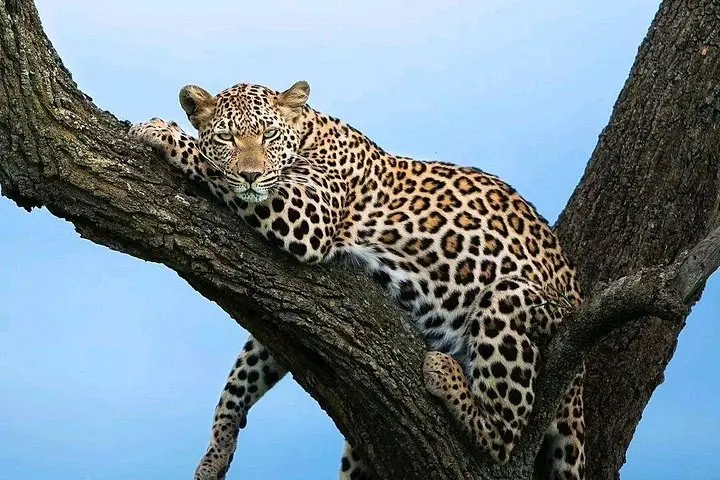
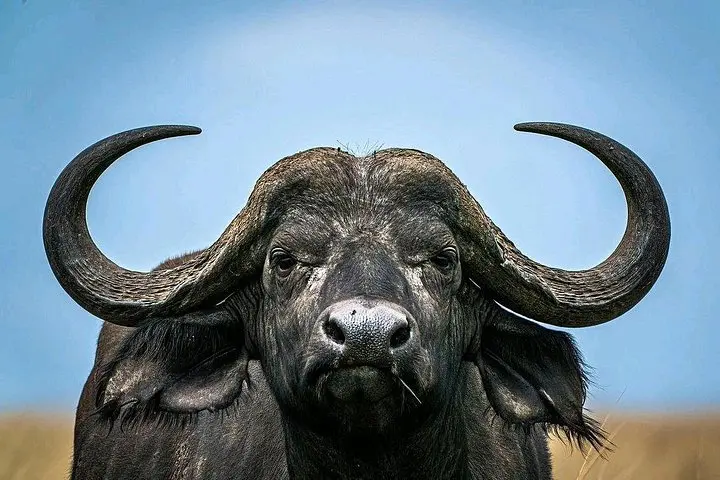
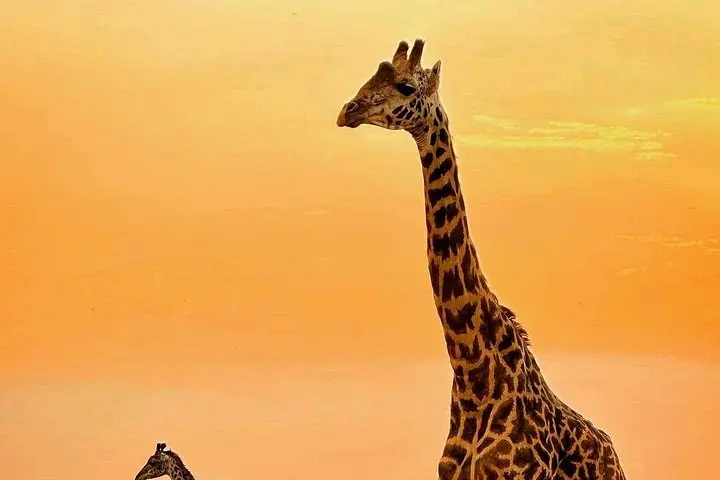
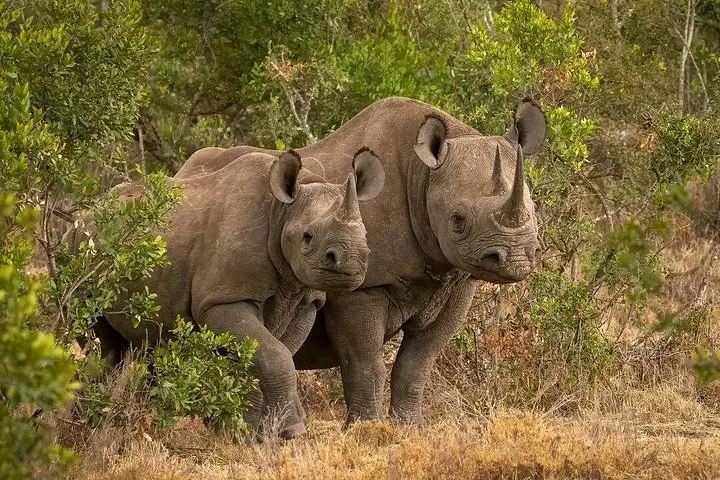
You step into the open roof of a 4x4 before dawn, engine rumbling as the Rift Valley floor gives way to rolling grassland. Early light picks out a lone acacia; hyrax chatter and distant hooves shape the rhythm. Over the next three days the Mara’s plains unfold: riverine strips where hippos wallow, wide savanna that funnels migrating herds, and an escarpment that drops away to give the landscape its scale.
You step into the open roof of a 4x4 before dawn, engine rumbling as the Rift Valley floor gives way to rolling grassland. Early light picks out a lone acacia; hyrax chatter and distant hooves shape the rhythm. Over the next three days the Mara’s plains unfold: riverine strips where hippos wallow, wide savanna that funnels migrating herds, and an escarpment that drops away to give the landscape its scale.
The Masai Mara, named for the Maasai people and the Mara River, is the northern extension of the Serengeti. Geology here is recent—loose volcanic soils and river-cut valleys feed rich grasslands that support high-density grazers and, in turn, predators. Cultural presence is visible: Maasai bomas dot the approach roads, and traditional grazing patterns still influence where wildlife congregates. Small camps like Rhino Tourist Camp operate on a model of shared vehicles and community-based services, keeping footprints light while providing close-up wildlife viewing.
Practically, expect two game drives most days (early morning and late afternoon), long but comfortable vehicle time from Nairobi (~5–6 hours), and full board tented accommodation. July–October is peak for river crossings during the wildebeest migration; other months reward quieter, predator-focused viewing. Pack layered sun protection, refillable water, binoculars, and a camera with a long lens. Bring local cash for tips and small purchases; vehicles are open-sided so secure loose items.
This is a budget, social safari: join other guests, share sightings, and trade notes as the Mara tests your patience and rewards it with spectacle.