THE ADVENTURE COLLECTIVE® · Independent discovery and booking for outdoor travel

A compact, budget-friendly 3-day safari that pairs dawn and dusk game drives in the Masai Mara with basic tented camp lodging. Perfect for travelers chasing the Great Migration and classic big-five sightings on a tight schedule.
A compact, budget-friendly 3-day safari that pairs dawn and dusk game drives in the Masai Mara with basic tented camp lodging. Perfect for travelers chasing the Great Migration and classic big-five sightings on a tight schedule.
Dust rises on the track as a budget 4x4 punches through acacia country, and the plains of the Masai Mara unfold like a living map. Early light sharpens lion silhouettes on the horizon; distant hooves drum as wildebeest feed and move. This three-day group safari is built around timed game drives—morning and evening runs—staying in simple, self-contained tented camps and returning to Nairobi on day three.
Verified experiences and guided adventures in the surrounding area.
Operated by Lenchada Safaris · Narok, Narok County
Dust rises on the track as a budget 4x4 punches through acacia country, and the plains of the Masai Mara unfold like a living map. Early light sharpens lion silhouettes on the horizon; distant hooves drum as wildebeest feed and move. This three-day group safari is built around timed game drives—morning and evening runs—staying in simple, self-contained tented camps and returning to Nairobi on day three.
Geology here is blunt and direct: the Great Rift Valley carves the skyline, feeding drainage lines that create seasonal rivers and marshes. Ecologically the Mara is an extension of the Serengeti, a grassland engine that supports huge herbivore herds and, in turn, big cats and hyenas. Culturally, the Maasai live on the reserve edges; many tours offer optional village visits where pastoral life and beadwork are part of the conversation.
Expect long, dusty drives—Nairobi to Mara is roughly 270 km and 5–6 hours—arriving midafternoon for an introductory game drive. Elevation sits near 1,500 m, so mornings are cool and days warm. The Great Migration funnels through from July to October; river crossings are a highlight but never guaranteed.
Practical pointers: travel light but bring warm layers for early drives, strong sun protection, and binoculars. Malaria prophylaxis and routine vaccinations are recommended. Pack spare batteries and cash for tips or village visits. Follow your guide’s instructions—vehicles are your best vantage and the park’s rules exist to keep both animals and people safe.
Yes—Masai Mara is a malarial area; consult your doctor about prophylaxis and bring mosquito repellent for evenings.
The migration is most dramatic July–October when herds and river crossings move into the Mara, though wildlife viewing is excellent year-round.
This specific group tour typically includes some meals and tented camp lodging; confirm park entry fees and any extras at booking.
Expect about 5–6 hours by road (≈270 km) with a stop at the Great Rift Valley viewpoint en route; timings vary by traffic and road conditions.
Lenchada Safaris operates guided outdoor trips and adventures with an emphasis on safety, stewardship, and memorable experiences.
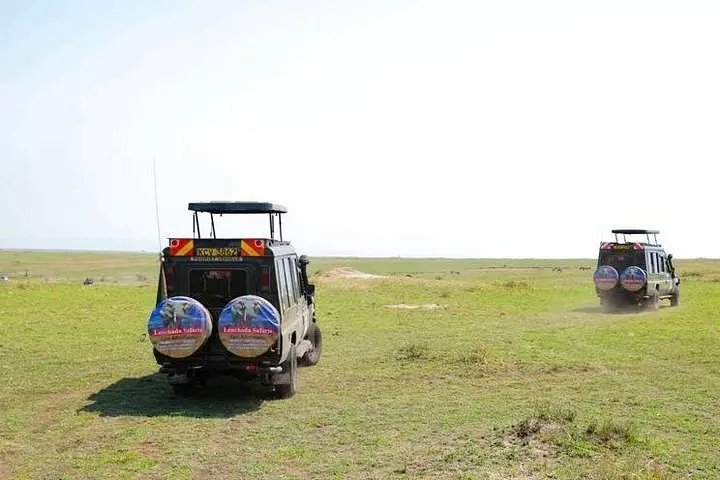
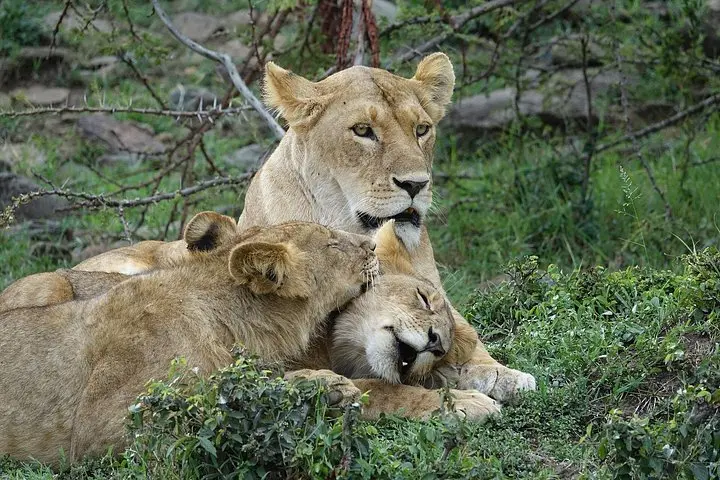
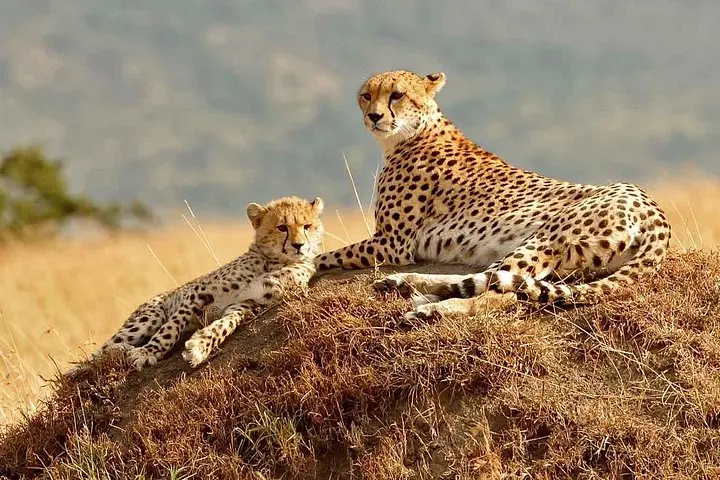
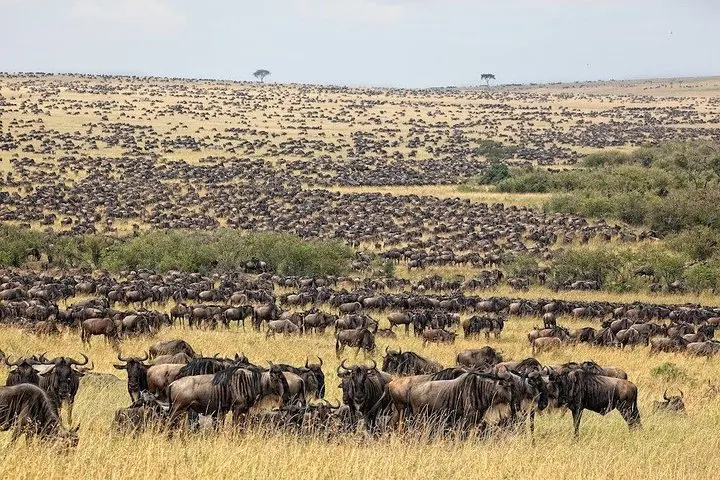
Dust rises on the track as a budget 4x4 punches through acacia country, and the plains of the Masai Mara unfold like a living map. Early light sharpens lion silhouettes on the horizon; distant hooves drum as wildebeest feed and move. This three-day group safari is built around timed game drives—morning and evening runs—staying in simple, self-contained tented camps and returning to Nairobi on day three.
Dust rises on the track as a budget 4x4 punches through acacia country, and the plains of the Masai Mara unfold like a living map. Early light sharpens lion silhouettes on the horizon; distant hooves drum as wildebeest feed and move. This three-day group safari is built around timed game drives—morning and evening runs—staying in simple, self-contained tented camps and returning to Nairobi on day three.
Geology here is blunt and direct: the Great Rift Valley carves the skyline, feeding drainage lines that create seasonal rivers and marshes. Ecologically the Mara is an extension of the Serengeti, a grassland engine that supports huge herbivore herds and, in turn, big cats and hyenas. Culturally, the Maasai live on the reserve edges; many tours offer optional village visits where pastoral life and beadwork are part of the conversation.
Expect long, dusty drives—Nairobi to Mara is roughly 270 km and 5–6 hours—arriving midafternoon for an introductory game drive. Elevation sits near 1,500 m, so mornings are cool and days warm. The Great Migration funnels through from July to October; river crossings are a highlight but never guaranteed.
Practical pointers: travel light but bring warm layers for early drives, strong sun protection, and binoculars. Malaria prophylaxis and routine vaccinations are recommended. Pack spare batteries and cash for tips or village visits. Follow your guide’s instructions—vehicles are your best vantage and the park’s rules exist to keep both animals and people safe.