THE ADVENTURE COLLECTIVE® · Independent discovery and booking for outdoor travel

Three days in the Maasai Mara deliver what safari stories promise: dawn game drives, abundant big-game sightings and the chance to witness the wildebeest migration. This private, mid-range package combines guided drives with simple camp comforts and optional cultural visits.
Three days in the Maasai Mara deliver what safari stories promise: dawn game drives, abundant big-game sightings and the chance to witness the wildebeest migration. This private, mid-range package combines guided drives with simple camp comforts and optional cultural visits.
A low sun pins long shadows across the grassy plains as a Land Cruiser rolls toward the Mara River. Early light turns the tall grasses a hard gold; hippos grumble in a muddy pool and a lone lion surveys the horizon like a patient judge. Within hours the reserve unfolds—wide vistas, termite mounds like isolated watchposts and flocks of large-billed starlings punctuating the sky.
Verified experiences and guided adventures in the surrounding area.
Operated by Safari Update Travels · Masai Mara, Narok County
A low sun pins long shadows across the grassy plains as a Land Cruiser rolls toward the Mara River. Early light turns the tall grasses a hard gold; hippos grumble in a muddy pool and a lone lion surveys the horizon like a patient judge. Within hours the reserve unfolds—wide vistas, termite mounds like isolated watchposts and flocks of large-billed starlings punctuating the sky.
The Maasai Mara sits on the southern edge of the East African Rift; its sweeping plains are shaped by volcanic soils and riverine corridors. Established as a reserve in the early 1960s and stewarded by both national authorities and Maasai communities, the Mara combines pastoral culture with high-density wildlife habitat. The reserve’s fame rests on resident predators and the annual wildebeest migration (typically July–October), when millions push north from the Serengeti and the Mara River dares them to cross.
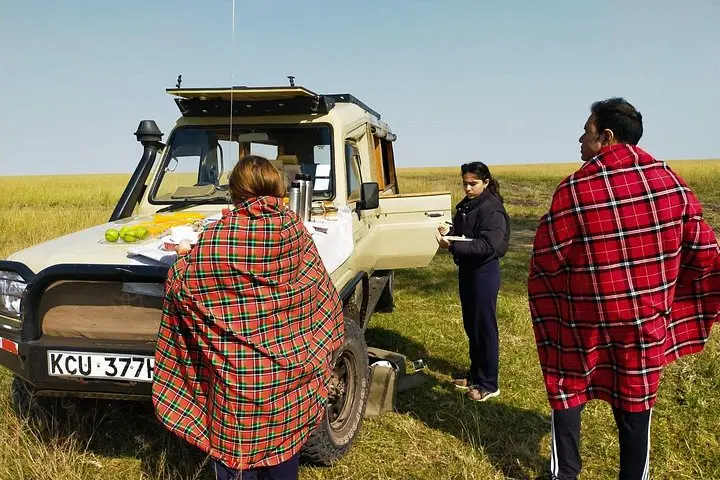
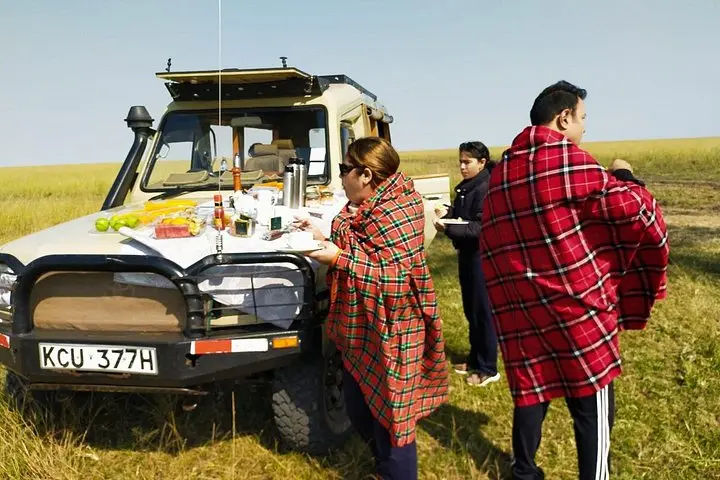
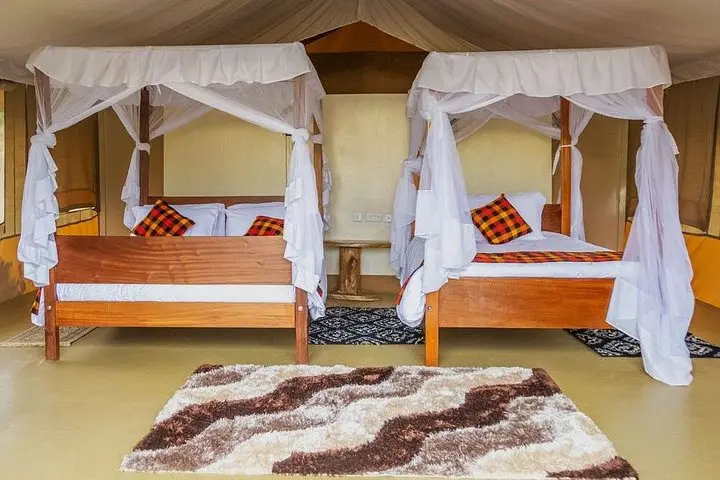
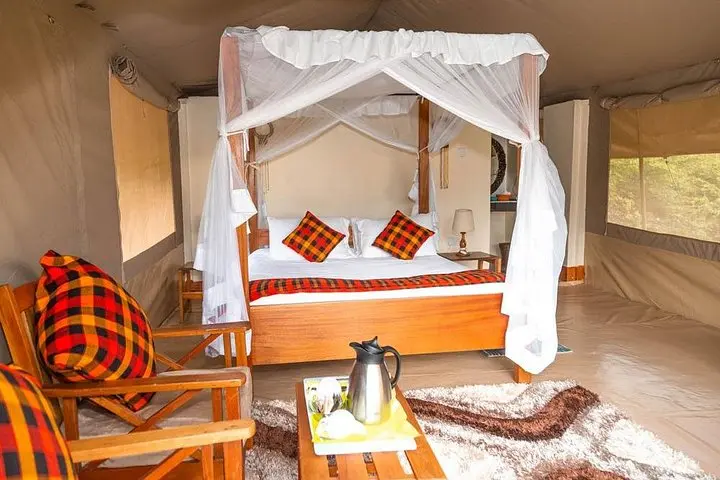
Expect daily game drives at dawn and late afternoon—long stretches of driving broken by binocular-scanning and short walks at camp. Mid-range camps provide hot meals, simple private tents and evening fireside stories from Maasai guides. Practicalities: bring neutral clothing, sun protection, at least 2 liters of water per person on game drives, binoculars and a camera with a long lens. Roads can be rough after rains; ask about vehicle pickup times and road conditions.
Respect wildlife distances, follow guide instructions, and consider supporting local conservancy fees and community visits to ensure the Mara stays wild for the next migration season.
Peak migration in the Mara usually occurs July through October when herds cross the Mara River; exact timing varies year to year.
Yes—this private itinerary is family-friendly, but long drives and dusty conditions may be uncomfortable for very young children or travelers with certain health issues.
Typical inclusions are private transport, park fees, breakfasts, lunches and dinners at camp and two nights’ accommodation in a mid-range tented camp.
Consult a travel health provider before travel; malaria prophylaxis is commonly recommended for the Mara and vaccination advice depends on your origin.
Safari Update Travels operates guided outdoor trips and adventures with an emphasis on safety, stewardship, and memorable experiences.
A low sun pins long shadows across the grassy plains as a Land Cruiser rolls toward the Mara River. Early light turns the tall grasses a hard gold; hippos grumble in a muddy pool and a lone lion surveys the horizon like a patient judge. Within hours the reserve unfolds—wide vistas, termite mounds like isolated watchposts and flocks of large-billed starlings punctuating the sky.
A low sun pins long shadows across the grassy plains as a Land Cruiser rolls toward the Mara River. Early light turns the tall grasses a hard gold; hippos grumble in a muddy pool and a lone lion surveys the horizon like a patient judge. Within hours the reserve unfolds—wide vistas, termite mounds like isolated watchposts and flocks of large-billed starlings punctuating the sky.
The Maasai Mara sits on the southern edge of the East African Rift; its sweeping plains are shaped by volcanic soils and riverine corridors. Established as a reserve in the early 1960s and stewarded by both national authorities and Maasai communities, the Mara combines pastoral culture with high-density wildlife habitat. The reserve’s fame rests on resident predators and the annual wildebeest migration (typically July–October), when millions push north from the Serengeti and the Mara River dares them to cross.
Expect daily game drives at dawn and late afternoon—long stretches of driving broken by binocular-scanning and short walks at camp. Mid-range camps provide hot meals, simple private tents and evening fireside stories from Maasai guides. Practicalities: bring neutral clothing, sun protection, at least 2 liters of water per person on game drives, binoculars and a camera with a long lens. Roads can be rough after rains; ask about vehicle pickup times and road conditions.
Respect wildlife distances, follow guide instructions, and consider supporting local conservancy fees and community visits to ensure the Mara stays wild for the next migration season.