THE ADVENTURE COLLECTIVE® · Independent discovery and booking for outdoor travel

Three days in the Masai Mara compresses big cat sightings, river crossings and Maasai cultural visits into an active, vehicle-based safari. Read on for what to expect, when to go and how to pack for optimal game-viewing.
Three days in the Masai Mara compresses big cat sightings, river crossings and Maasai cultural visits into an active, vehicle-based safari. Read on for what to expect, when to go and how to pack for optimal game-viewing.
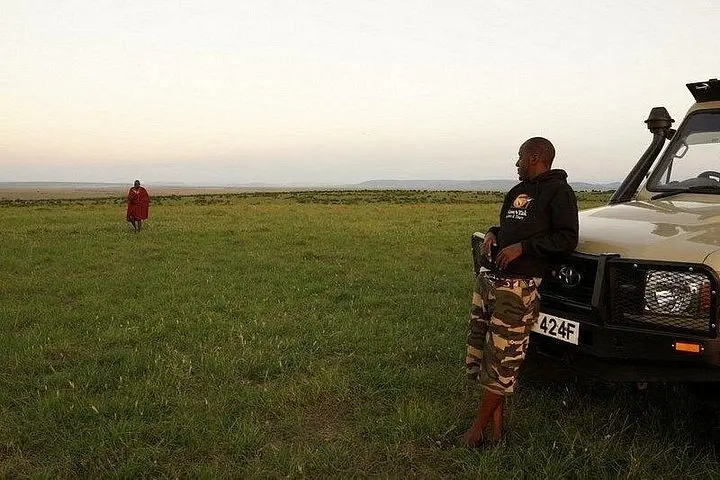
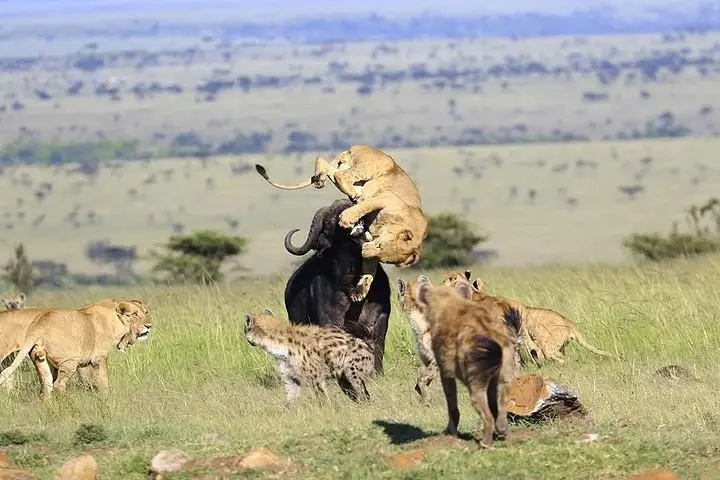
A diesel Land Cruiser rolls out before first light, the savanna’s silhouette sharpening as the sun lifts over acacia crowns. Dust hangs in slow sheets; a distant horn announces a waking elephant. On a three-day Masai Mara safari, mornings and late afternoons are elastic—stretched by sighting reports, tea stops and the patient watching of predators at a kill.
Verified experiences and guided adventures in the surrounding area.
Operated by Namnyak Tours & Safaris · Masai Mara, Narok County
A diesel Land Cruiser rolls out before first light, the savanna’s silhouette sharpening as the sun lifts over acacia crowns. Dust hangs in slow sheets; a distant horn announces a waking elephant. On a three-day Masai Mara safari, mornings and late afternoons are elastic—stretched by sighting reports, tea stops and the patient watching of predators at a kill.
The Mara sits on the eastern edge of the Serengeti ecosystem, where plains shaped by ancient Rift Valley uplift feed the Mara River. The reserve takes its name from the Maasai people and the river that threads the park; pastoral culture and roaming herds have shared this landscape for generations. Local Maasai guides bring more than directions—they offer context on animal behavior, seasonal movements and land stewardship.
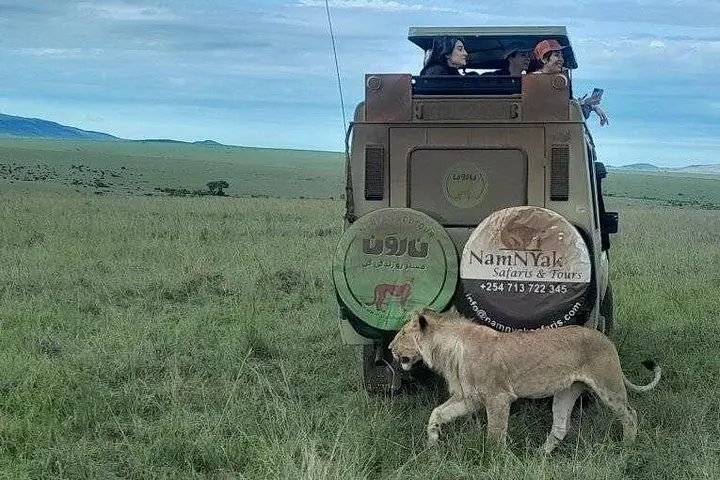
Expect open grassy plains punctuated by lone thorn trees, riverine corridor habitat and the chance to see the Big Five alongside cheetah and migratory wildebeest. Game drives are vehicle-based; routes are flexible depending on sightings and weather. A community visit is usually optional and paid locally—use cash and be respectful of cultural norms.
Practical edge: start drives at dawn when predators are most active, carry binoculars and a telephoto lens, and layer clothing—the Mara cools fast before sunrise. Roads become rutted in the long rains (March–May), so a competent driver and flexible schedule matter. Bring refillable water, sun protection and small bills for tips or village visits. With modest planning, three days here turns wildlife watching into an efficiently unforgettable stretch of Africa.
River crossings and large concentrations are most common July–October, but exact timing moves with rains and forage—check current migration reports before booking.
Yes—many camps welcome children, but long hours in vehicles and bumpy roads can be challenging; check age policies and safety provisions with the operator.
Malaria risk exists—consult a travel clinic for current recommendations and carry insect repellent and long sleeves for evenings.
Yes—village visits are often optional and paid locally; bring a small fee, ask permission before photographing people and follow guide etiquette advice.
Namnyak Tours & Safaris operates guided outdoor trips and adventures with an emphasis on safety, stewardship, and memorable experiences.
A diesel Land Cruiser rolls out before first light, the savanna’s silhouette sharpening as the sun lifts over acacia crowns. Dust hangs in slow sheets; a distant horn announces a waking elephant. On a three-day Masai Mara safari, mornings and late afternoons are elastic—stretched by sighting reports, tea stops and the patient watching of predators at a kill.
A diesel Land Cruiser rolls out before first light, the savanna’s silhouette sharpening as the sun lifts over acacia crowns. Dust hangs in slow sheets; a distant horn announces a waking elephant. On a three-day Masai Mara safari, mornings and late afternoons are elastic—stretched by sighting reports, tea stops and the patient watching of predators at a kill.
The Mara sits on the eastern edge of the Serengeti ecosystem, where plains shaped by ancient Rift Valley uplift feed the Mara River. The reserve takes its name from the Maasai people and the river that threads the park; pastoral culture and roaming herds have shared this landscape for generations. Local Maasai guides bring more than directions—they offer context on animal behavior, seasonal movements and land stewardship.
Expect open grassy plains punctuated by lone thorn trees, riverine corridor habitat and the chance to see the Big Five alongside cheetah and migratory wildebeest. Game drives are vehicle-based; routes are flexible depending on sightings and weather. A community visit is usually optional and paid locally—use cash and be respectful of cultural norms.
Practical edge: start drives at dawn when predators are most active, carry binoculars and a telephoto lens, and layer clothing—the Mara cools fast before sunrise. Roads become rutted in the long rains (March–May), so a competent driver and flexible schedule matter. Bring refillable water, sun protection and small bills for tips or village visits. With modest planning, three days here turns wildlife watching into an efficiently unforgettable stretch of Africa.