THE ADVENTURE COLLECTIVE® · Independent discovery and booking for outdoor travel

Spend three days in Masai Mara chasing the Big Five and, if timed right, the Great Migration’s river crossings. This compact safari pairs daily game drives with nights in a tented camp for an immersive wildlife experience.
Spend three days in Masai Mara chasing the Big Five and, if timed right, the Great Migration’s river crossings. This compact safari pairs daily game drives with nights in a tented camp for an immersive wildlife experience.
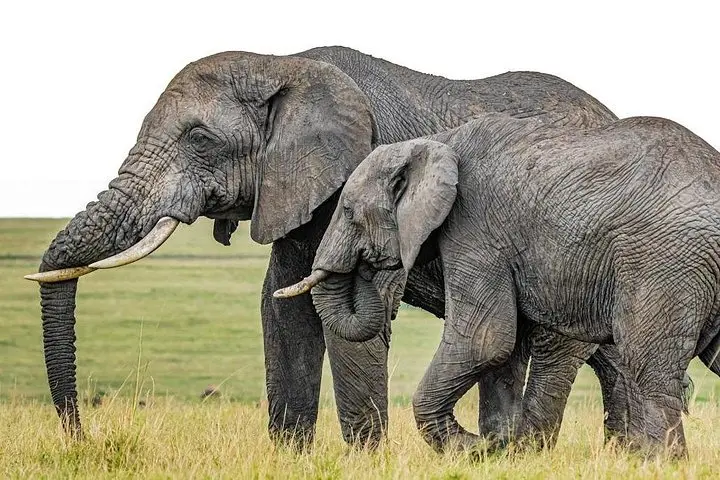
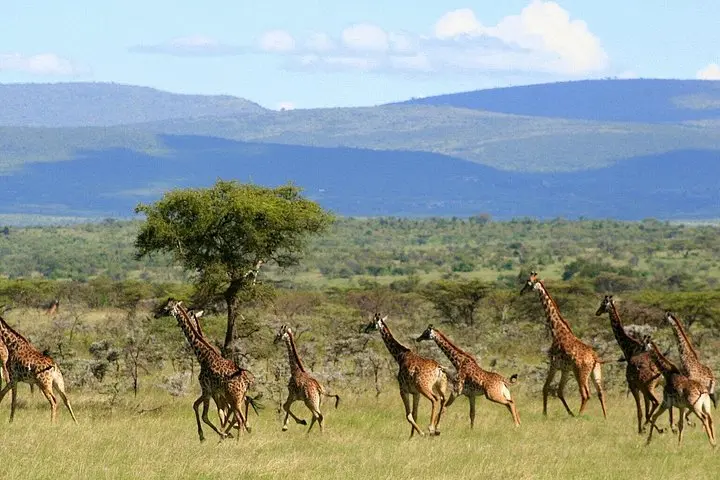
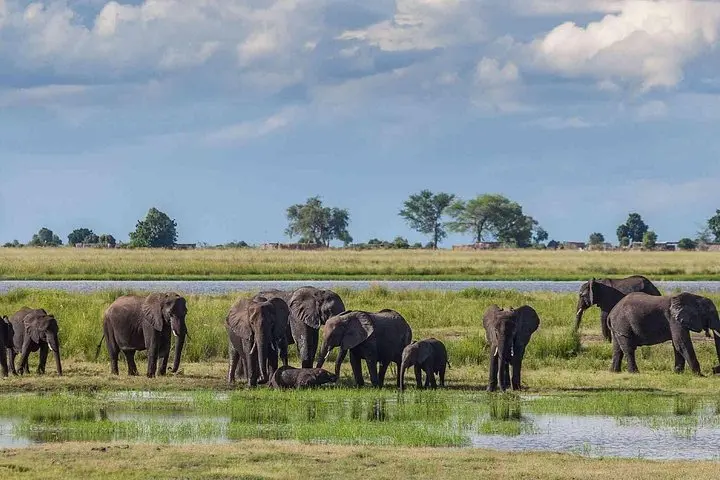
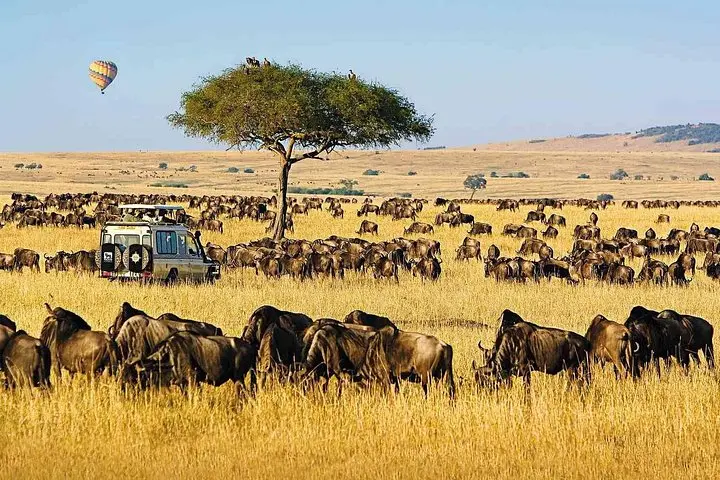
First light breaks over the Mara and the safari vehicle rolls through dust-sheer tracks as acacia crowns sharpen against an iron sky. A lion yawns on a termite mound; a distant herd pushes toward the Mara River where crossing shadows test the current. This three-day Masai Mara itinerary compresses those wide, patient spectacles into a compact, intense wildlife experience—sunrise and sunset game drives, picnic lunches on the plains, and two nights in a tented camp.
Verified experiences and guided adventures in the surrounding area.
Operated by LISAM TOURS KENYA · Masai Mara, Narok County
First light breaks over the Mara and the safari vehicle rolls through dust-sheer tracks as acacia crowns sharpen against an iron sky. A lion yawns on a termite mound; a distant herd pushes toward the Mara River where crossing shadows test the current. This three-day Masai Mara itinerary compresses those wide, patient spectacles into a compact, intense wildlife experience—sunrise and sunset game drives, picnic lunches on the plains, and two nights in a tented camp.
Geology here follows the Great Rift Valley: wide plains carved by tectonics that collect seasonal rivers and create the habitats that draw grazing herds and their hunters. The Maasai people have lived alongside this landscape for generations; their culture and livestock grazing patterns are part of the Mara’s living history. Time your visit in July–October for the Great Migration’s dramatic river crossings, when millions of wildebeest and zebra move through the reserve.
Practically, expect long vehicle days and early starts—guides use soft light to find predators and skittish prey. Entrance fees, full-board accommodation in a tented camp, and experienced guides are typically included; vehicles are fitted for photography and comfort. Bring binoculars, charged camera batteries, sun protection, and a water bottle; pack light layers for cool mornings and hot afternoons. Respect wildlife distances, follow your guide’s directions, and budget a small cash amount for tips and local purchases. With basic planning—malaria precautions, valid travel documents, and flexible timing—you’ll spend three days watching the Mara move like a force, not a postcard.
Peak river crossings occur July–October; outside that window you’ll still see resident wildlife and excellent predator activity.
Yes—Masai Mara is in a malaria zone; consult a travel clinic for prophylaxis and use insect repellent and nets where provided.
Expect several hours in the vehicle daily, with full-day drives up to 10–12 hours on some itineraries and shorter morning/evening game drives on others.
Most tented camps provide charging points or a communal charging area; bring a power bank for long days in the field.
LISAM TOURS KENYA operates guided outdoor trips and adventures with an emphasis on safety, stewardship, and memorable experiences.
First light breaks over the Mara and the safari vehicle rolls through dust-sheer tracks as acacia crowns sharpen against an iron sky. A lion yawns on a termite mound; a distant herd pushes toward the Mara River where crossing shadows test the current. This three-day Masai Mara itinerary compresses those wide, patient spectacles into a compact, intense wildlife experience—sunrise and sunset game drives, picnic lunches on the plains, and two nights in a tented camp.
First light breaks over the Mara and the safari vehicle rolls through dust-sheer tracks as acacia crowns sharpen against an iron sky. A lion yawns on a termite mound; a distant herd pushes toward the Mara River where crossing shadows test the current. This three-day Masai Mara itinerary compresses those wide, patient spectacles into a compact, intense wildlife experience—sunrise and sunset game drives, picnic lunches on the plains, and two nights in a tented camp.
Geology here follows the Great Rift Valley: wide plains carved by tectonics that collect seasonal rivers and create the habitats that draw grazing herds and their hunters. The Maasai people have lived alongside this landscape for generations; their culture and livestock grazing patterns are part of the Mara’s living history. Time your visit in July–October for the Great Migration’s dramatic river crossings, when millions of wildebeest and zebra move through the reserve.
Practically, expect long vehicle days and early starts—guides use soft light to find predators and skittish prey. Entrance fees, full-board accommodation in a tented camp, and experienced guides are typically included; vehicles are fitted for photography and comfort. Bring binoculars, charged camera batteries, sun protection, and a water bottle; pack light layers for cool mornings and hot afternoons. Respect wildlife distances, follow your guide’s directions, and budget a small cash amount for tips and local purchases. With basic planning—malaria precautions, valid travel documents, and flexible timing—you’ll spend three days watching the Mara move like a force, not a postcard.