THE ADVENTURE COLLECTIVE® · Independent discovery and booking for outdoor travel

Drive from Nairobi through the Rift Valley to the Masai Mara for three days of game drives, budget tented camping and the chance to witness the Great Migration. This shared tour balances affordable camping with high-probability wildlife viewing of the Big Five.
Drive from Nairobi through the Rift Valley to the Masai Mara for three days of game drives, budget tented camping and the chance to witness the Great Migration. This shared tour balances affordable camping with high-probability wildlife viewing of the Big Five.
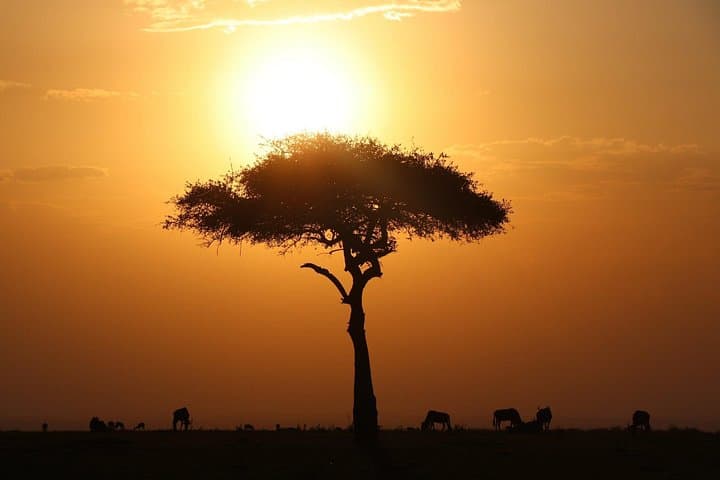
The sun pushes up over the floor of the Great Rift Valley as your safari van winds toward vast, amber grasslands. By midafternoon the Masai Mara opens like a stage—lone acacia silhouettes, grazing zebra herds and the distant shimmer of a river where crocodiles and hippos wait. Nights are campfire-bright and punctuated by the distant calls of hyenas.
Verified experiences and guided adventures in the surrounding area.
Operated by African Sermon Safaris Limited · Masai Mara National Reserve, Narok County
The sun pushes up over the floor of the Great Rift Valley as your safari van winds toward vast, amber grasslands. By midafternoon the Masai Mara opens like a stage—lone acacia silhouettes, grazing zebra herds and the distant shimmer of a river where crocodiles and hippos wait. Nights are campfire-bright and punctuated by the distant calls of hyenas.
The reserve sits on volcanic soils shaped by the Rift, a landscape that has guided animal movements and human cultures for millennia. The Maasai have grazed these plains for generations, and modern conservation here mixes national-park rules with community conservancies to protect migration corridors.
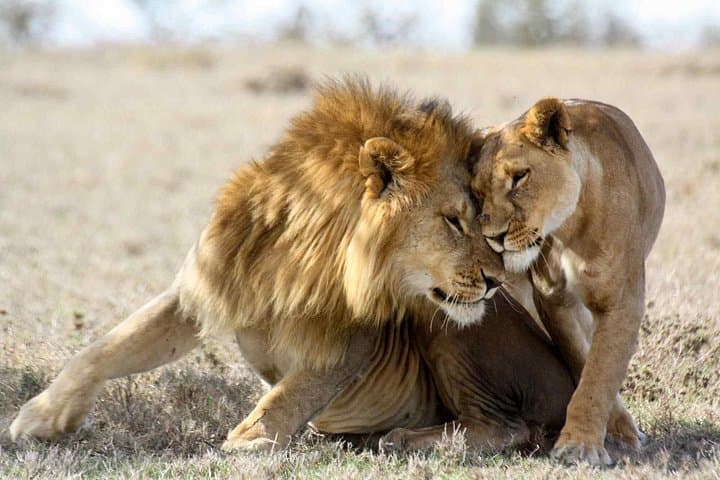
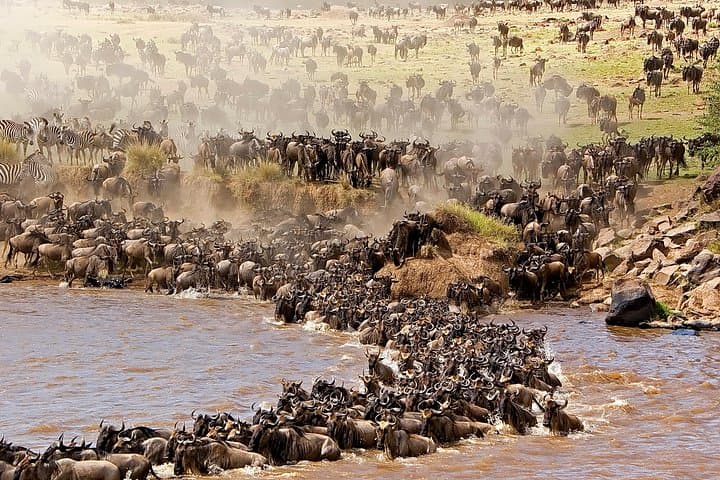
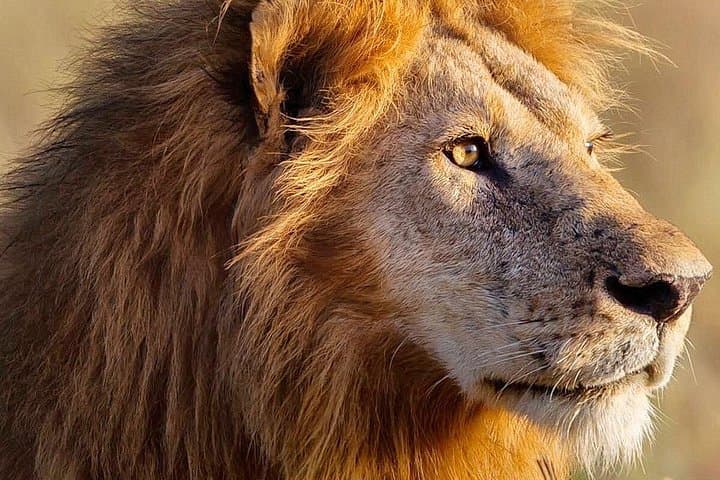
Expect full-day game drives in a shared seven-passenger vehicle, two nights in a basic en-suite tent at a budget camp (Lenchada or similar), and long stretches of sitting quietly while the Mara reveals lions, elephant, buffalo, leopards and cheetahs. From July to October the wildebeest migration is the dramatic pulse—river crossings, clouded hooves and crocodiles lining the Mara.
Practical edge: pickup from Nairobi begins around 8:00 a.m., with 5–6 hours’ road time to the reserve via Narok. Pack binoculars, sun protection and a small daypack; wear shoes that handle dust and short, uneven walks. Park fees, two nights’ camping and most meals are included; optional Maasai village visits are paid locally. Bring passport details and vaccinations as required, plan for dusty mornings and sudden showers, and carry water to stay hydrated during long drives.
A Masai Mara safari is a study in patience—sit still, watch the plains work, and the moments you came for often arrive without warning.
Peak river crossings typically occur between July and October when herds move north from the Serengeti into the Masai Mara, though timing can vary year to year.
Yes—children can join when accompanied by adults, but operators often require children to share tents and follow park safety rules; check age policies when booking.
Passport details are required at booking; check with a travel clinic for recommended vaccinations (e.g., yellow fever proof, routine immunizations) and antimalarial advice before travel.
Yes—an optional cultural visit is commonly offered at extra cost paid locally; it supports local communities but confirm timing and fees with your guide.
African Sermon Safaris Limited operates guided outdoor trips and adventures with an emphasis on safety, stewardship, and memorable experiences.
The sun pushes up over the floor of the Great Rift Valley as your safari van winds toward vast, amber grasslands. By midafternoon the Masai Mara opens like a stage—lone acacia silhouettes, grazing zebra herds and the distant shimmer of a river where crocodiles and hippos wait. Nights are campfire-bright and punctuated by the distant calls of hyenas.
The sun pushes up over the floor of the Great Rift Valley as your safari van winds toward vast, amber grasslands. By midafternoon the Masai Mara opens like a stage—lone acacia silhouettes, grazing zebra herds and the distant shimmer of a river where crocodiles and hippos wait. Nights are campfire-bright and punctuated by the distant calls of hyenas.
The reserve sits on volcanic soils shaped by the Rift, a landscape that has guided animal movements and human cultures for millennia. The Maasai have grazed these plains for generations, and modern conservation here mixes national-park rules with community conservancies to protect migration corridors.
Expect full-day game drives in a shared seven-passenger vehicle, two nights in a basic en-suite tent at a budget camp (Lenchada or similar), and long stretches of sitting quietly while the Mara reveals lions, elephant, buffalo, leopards and cheetahs. From July to October the wildebeest migration is the dramatic pulse—river crossings, clouded hooves and crocodiles lining the Mara.
Practical edge: pickup from Nairobi begins around 8:00 a.m., with 5–6 hours’ road time to the reserve via Narok. Pack binoculars, sun protection and a small daypack; wear shoes that handle dust and short, uneven walks. Park fees, two nights’ camping and most meals are included; optional Maasai village visits are paid locally. Bring passport details and vaccinations as required, plan for dusty mornings and sudden showers, and carry water to stay hydrated during long drives.
A Masai Mara safari is a study in patience—sit still, watch the plains work, and the moments you came for often arrive without warning.