THE ADVENTURE COLLECTIVE® · Independent discovery and booking for outdoor travel

Three days in the Masai Mara condense Africa’s iconic wildlife into sunrise-and-sunset game drives, river crossings, and an introduction to Maasai culture. Expect Big Five sightings, seasonal wildebeest movements, and comfortable tented or lodge accommodations with transport from Nairobi.
Three days in the Masai Mara condense Africa’s iconic wildlife into sunrise-and-sunset game drives, river crossings, and an introduction to Maasai culture. Expect Big Five sightings, seasonal wildebeest movements, and comfortable tented or lodge accommodations with transport from Nairobi.
Dust lifts in the headlights as the minivan drops you onto the wide plains—acacia silhouettes cut into a cobalt sky and the Mara River threads the reserve like a dark ribbon daring you closer. Early mornings here belong to lion prides; afternoons, to grazing herds that drift across sun-baked grass.
Verified experiences and guided adventures in the surrounding area.
Operated by TULIP VACATIONS · Narok, Narok County
Dust lifts in the headlights as the minivan drops you onto the wide plains—acacia silhouettes cut into a cobalt sky and the Mara River threads the reserve like a dark ribbon daring you closer. Early mornings here belong to lion prides; afternoons, to grazing herds that drift across sun-baked grass.
The Masai Mara sits on the southern edge of the East African Rift; its rolling savanna and kopjes are the visible result of tectonic uplift and ancient volcanic flows. The reserve shares ecology with the Serengeti and has hosted human cultures for millennia—the Maasai people remain a living presence, their songs and jumps part of the landscape’s social fabric.
Expect long, purposeful game drives focused on spotting the Big Five and, seasonally, the great wildebeest migration (July–October). Terrain alternates between grassy plains, riverine forest, and rocky outcrops; elevation is roughly 1,400–1,700 m, so days are sunny and nights can be cool.
Practical guidance: tours typically include full-board lodging and transport from Nairobi, two full game days, and bottled water. Dawn and dusk are prime viewing times—pack layers, a sun hat, and a camera with a long lens. Respect local customs: ask before photographing people and follow your guide’s instructions around wildlife—animals set the pace, not you.
Health and comfort tips: stay hydrated, carry motion-sickness remedies for bumpy roads, and use mosquito protection at dusk. With basic preparation, this three-day loop delivers concentrated wildlife encounters, vivid landscapes, and a clear view into Maasai culture without deep backcountry logistics.
The Mara typically sees the peak of the Great Migration between July and October when herds cross from the Serengeti—timing varies year to year and by rainfall.
Most 3-day packages include full-board accommodation in a mid-range tented camp or lodge; specifics depend on the operator and booking level.
Consult a travel health clinic before travel; malaria is present in the region and providers commonly recommend prophylaxis and routine immunizations.
The tour includes a long road transfer from Nairobi (about 5–6 hours by road) plus daily game drives inside the reserve with several hours behind the vehicle each day.
TULIP VACATIONS operates guided outdoor trips and adventures with an emphasis on safety, stewardship, and memorable experiences.
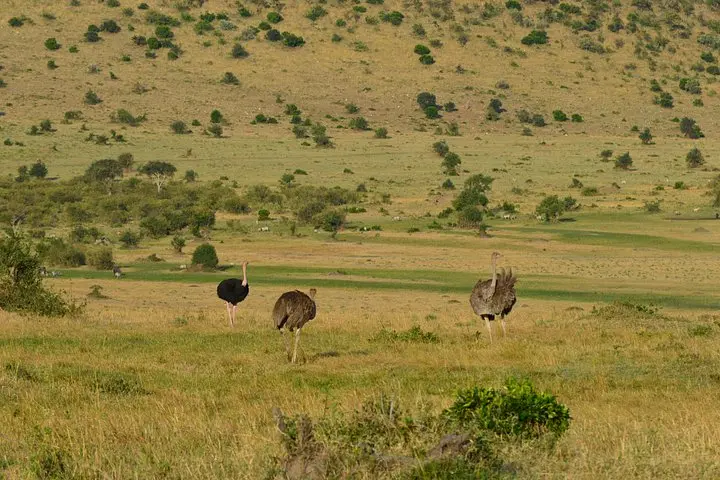
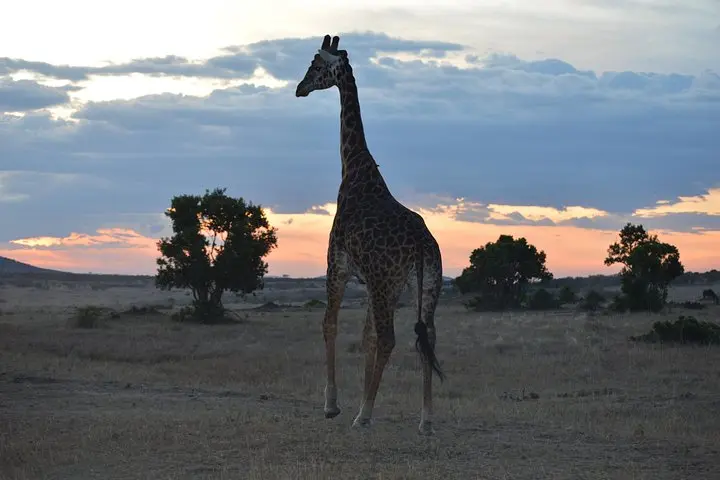
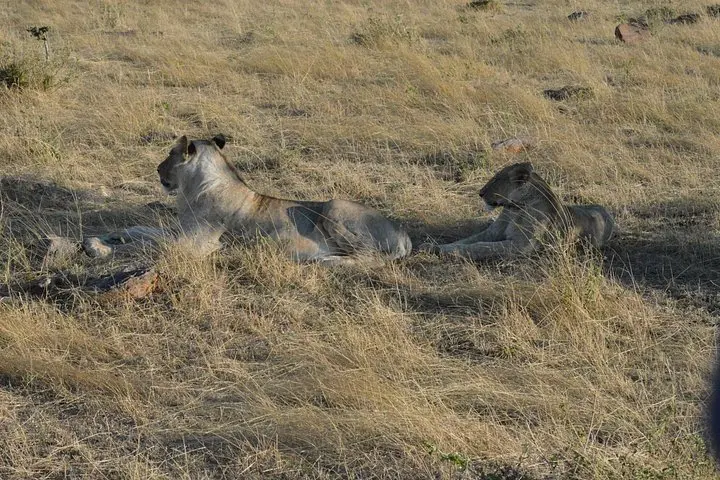
Dust lifts in the headlights as the minivan drops you onto the wide plains—acacia silhouettes cut into a cobalt sky and the Mara River threads the reserve like a dark ribbon daring you closer. Early mornings here belong to lion prides; afternoons, to grazing herds that drift across sun-baked grass.
Dust lifts in the headlights as the minivan drops you onto the wide plains—acacia silhouettes cut into a cobalt sky and the Mara River threads the reserve like a dark ribbon daring you closer. Early mornings here belong to lion prides; afternoons, to grazing herds that drift across sun-baked grass.
The Masai Mara sits on the southern edge of the East African Rift; its rolling savanna and kopjes are the visible result of tectonic uplift and ancient volcanic flows. The reserve shares ecology with the Serengeti and has hosted human cultures for millennia—the Maasai people remain a living presence, their songs and jumps part of the landscape’s social fabric.
Expect long, purposeful game drives focused on spotting the Big Five and, seasonally, the great wildebeest migration (July–October). Terrain alternates between grassy plains, riverine forest, and rocky outcrops; elevation is roughly 1,400–1,700 m, so days are sunny and nights can be cool.
Practical guidance: tours typically include full-board lodging and transport from Nairobi, two full game days, and bottled water. Dawn and dusk are prime viewing times—pack layers, a sun hat, and a camera with a long lens. Respect local customs: ask before photographing people and follow your guide’s instructions around wildlife—animals set the pace, not you.
Health and comfort tips: stay hydrated, carry motion-sickness remedies for bumpy roads, and use mosquito protection at dusk. With basic preparation, this three-day loop delivers concentrated wildlife encounters, vivid landscapes, and a clear view into Maasai culture without deep backcountry logistics.