THE ADVENTURE COLLECTIVE® · Independent discovery and booking for outdoor travel

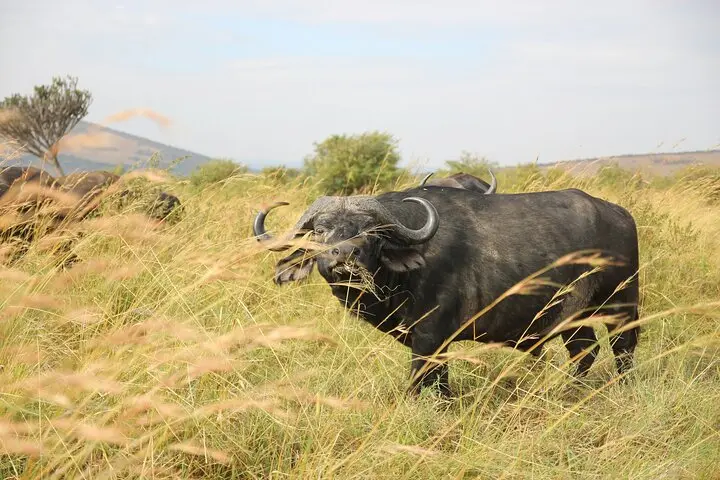
A compact, three-day safari into Masai Mara offers jaw-dropping game drives, the chance to see the Big Five, and a Maasai village visit. Ideal in the dry season, this trip combines wildlife spectacle with cultural insight.
A compact, three-day safari into Masai Mara offers jaw-dropping game drives, the chance to see the Big Five, and a Maasai village visit. Ideal in the dry season, this trip combines wildlife spectacle with cultural insight.
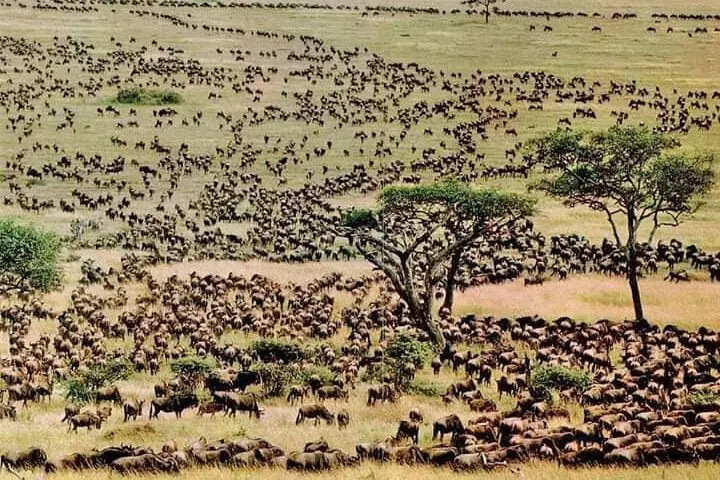
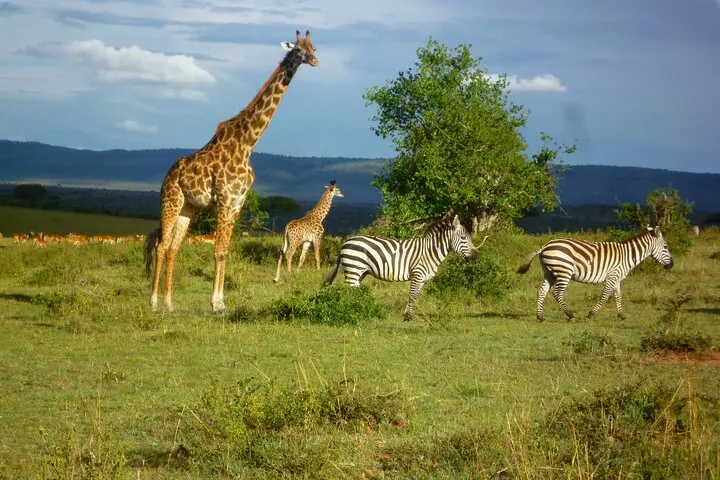
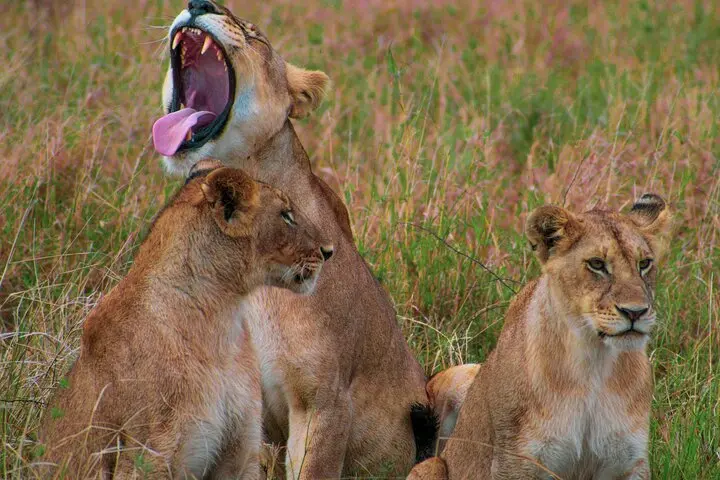
Morning light pours across grass that seems to inhale and exhale with the herds. On day one you roll down the Rift Valley escarpment toward the Mara, windows open to the scent of dust and distant animal calls; your guide points, you hold your breath, the plains rearrange themselves into a tableau of lions, giraffes and grazing wildebeest.
Verified experiences and guided adventures in the surrounding area.
Operated by Tropical Wild Expeditions · Masai Mara National Reserve, Narok County
Morning light pours across grass that seems to inhale and exhale with the herds. On day one you roll down the Rift Valley escarpment toward the Mara, windows open to the scent of dust and distant animal calls; your guide points, you hold your breath, the plains rearrange themselves into a tableau of lions, giraffes and grazing wildebeest.
The Mara sits where East Africa’s geological story — the Great Rift Valley — meets a long cultural arc traced by the Maasai people. Rock and soil here tell of tectonic movement; human history is visible in seasonal grazing routes and village life. The reserve’s road network and river systems shape animal movement, and during the migration the Mara River dares the herds to cross, creating the region’s most dramatic wildlife theater.
Expect long game drives from early morning into late afternoon, close photographic opportunities from open vehicles, and a late-afternoon visit to a Maasai village to learn about pastoral life and local crafts. Accommodations range from basic camps to mid-level lodges; meals are included in most packages.
Practical guide: book the dry season for best viewing (June–October), carry binoculars and a long-lens camera, and layer clothing for hot days and cool mornings. Respect viewing distances, follow your guide’s instructions, and budget a modest fee if visiting a Maasai village. Hydrate, limit sun exposure, and keep a flexible attitude — sightings of shy species like leopard or rhino are never guaranteed, but the Mara’s rhythms make every day memorable.
Many travelers need a visa and routine vaccinations; check Kenya’s entry requirements and consult a travel health clinic for recommended shots like yellow fever and typhoid.
No—while the Mara has excellent viewing and guides maximize sightings, animals are wild and sightings of shy species like rhino or leopard cannot be guaranteed.
Many accommodations and vehicles offer accessible options, but accessibility varies—confirm specific needs with the operator before booking.
Tipping is customary; budget modest daily amounts for guides and lodge staff or follow the operator’s tipping guidelines.
Tropical Wild Expeditions operates guided outdoor trips and adventures with an emphasis on safety, stewardship, and memorable experiences.
Morning light pours across grass that seems to inhale and exhale with the herds. On day one you roll down the Rift Valley escarpment toward the Mara, windows open to the scent of dust and distant animal calls; your guide points, you hold your breath, the plains rearrange themselves into a tableau of lions, giraffes and grazing wildebeest.
Morning light pours across grass that seems to inhale and exhale with the herds. On day one you roll down the Rift Valley escarpment toward the Mara, windows open to the scent of dust and distant animal calls; your guide points, you hold your breath, the plains rearrange themselves into a tableau of lions, giraffes and grazing wildebeest.
The Mara sits where East Africa’s geological story — the Great Rift Valley — meets a long cultural arc traced by the Maasai people. Rock and soil here tell of tectonic movement; human history is visible in seasonal grazing routes and village life. The reserve’s road network and river systems shape animal movement, and during the migration the Mara River dares the herds to cross, creating the region’s most dramatic wildlife theater.
Expect long game drives from early morning into late afternoon, close photographic opportunities from open vehicles, and a late-afternoon visit to a Maasai village to learn about pastoral life and local crafts. Accommodations range from basic camps to mid-level lodges; meals are included in most packages.
Practical guide: book the dry season for best viewing (June–October), carry binoculars and a long-lens camera, and layer clothing for hot days and cool mornings. Respect viewing distances, follow your guide’s instructions, and budget a modest fee if visiting a Maasai village. Hydrate, limit sun exposure, and keep a flexible attitude — sightings of shy species like leopard or rhino are never guaranteed, but the Mara’s rhythms make every day memorable.