THE ADVENTURE COLLECTIVE® · Independent discovery and booking for outdoor travel

A compact, vehicle-based safari that takes you from Nairobi into the Masai Mara’s grasslands to track the Big Five and (seasonally) witness the Great Wildebeest Migration. Expect early starts, long game drives, and close cultural encounters with Maasai communities.
A compact, vehicle-based safari that takes you from Nairobi into the Masai Mara’s grasslands to track the Big Five and (seasonally) witness the Great Wildebeest Migration. Expect early starts, long game drives, and close cultural encounters with Maasai communities.
Dust lifts off the track as the convoy crests a ridge and the Mara opens: endless grass punctuated by acacia silhouettes and the slow, purposeful shapes of grazing ungulates. Morning light strips the plains into bands of gold and shadow; drivers scan the horizon and guides lean forward, voices low but urgent.
Verified experiences and guided adventures in the surrounding area.
Operated by Olanka Safaris · Masai Mara, Narok County
Dust lifts off the track as the convoy crests a ridge and the Mara opens: endless grass punctuated by acacia silhouettes and the slow, purposeful shapes of grazing ungulates. Morning light strips the plains into bands of gold and shadow; drivers scan the horizon and guides lean forward, voices low but urgent.
The Masai Mara sits at the northern edge of the Serengeti ecosystem, a broad swathe of East African savanna carved by rivers and the Great Rift Valley to the east. The reserve’s name comes from the Maasai people and the word "Mara," meaning spotted, a reference to the patchwork of trees, bushes and shadow. Geology here—ancient volcanic soils and seasonal rivers—creates the grasslands that sustain migratory herds and the predators that follow them.
Culture threads through every stop: Maasai villages near the reserve offer straightforward, respectful insights into pastoral life and traditional beadwork. Guides will point out how community conservancies and lodge fees funnel revenue back to local stewards, an important conservation dynamic.
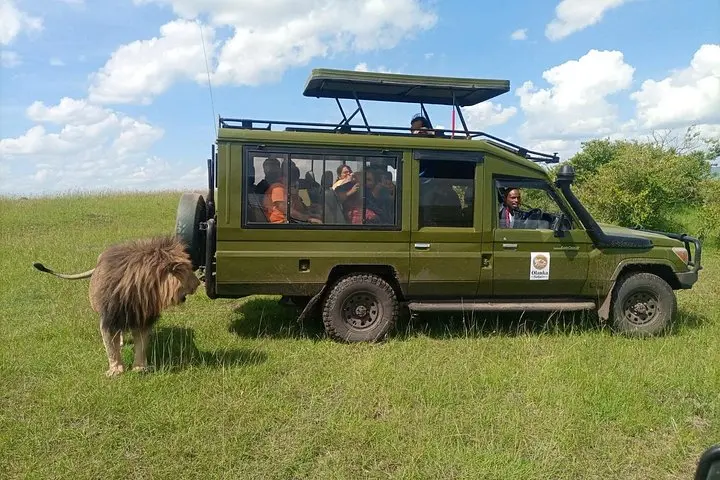
Practically, this is vehicle-based wildlife viewing: long drives, early starts, and full-day game drives timed for dawn and dusk when predators hunt. Expect dusty roads, sometimes corrugated, and game encounters that can unfold in seconds—binoculars and patience matter.
Bring layers for cool mornings, sun protection for midday, and a camera with a telephoto lens if you want tight animal shots from a vehicle. Hydrate, keep movements slow during sightings, and respect local rules at cultural visits. Three days gives a concentrated window on the Mara’s rhythms: the hunt, the herd and the human communities that share the plain.
Park entrance is typically included for this itinerary, but confirm with the operator when booking as some fees vary by season.
Yellow fever vaccination may be required if arriving from affected countries; travelers should check Kenya’s visa rules and consult a travel clinic for recommended shots.
Balloon rides are optional and usually cost extra; they must be booked in advance and operate subject to weather conditions.
Most tours include hotel or airport pickup in Nairobi—confirm your pickup point and expected departure time at booking.
Olanka Safaris operates guided outdoor trips and adventures with an emphasis on safety, stewardship, and memorable experiences.
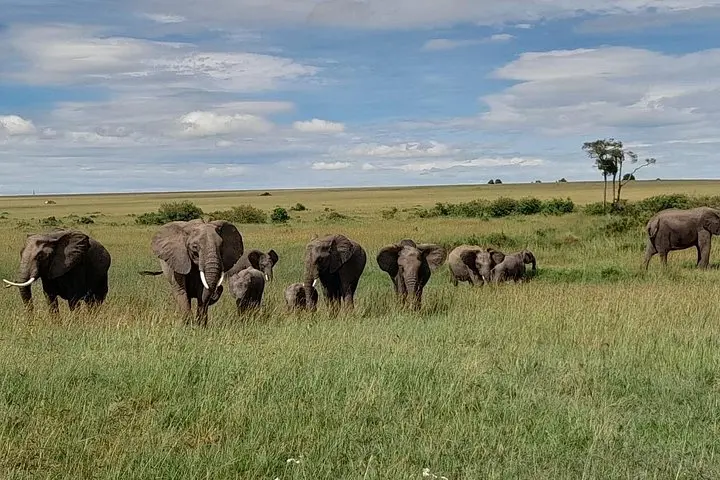
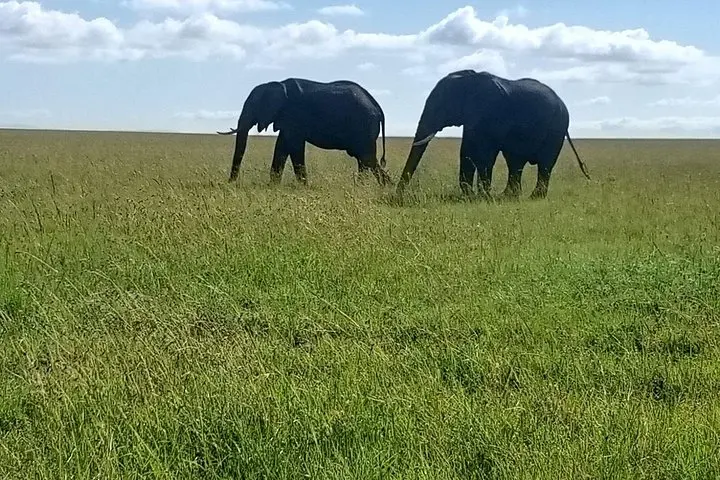
Dust lifts off the track as the convoy crests a ridge and the Mara opens: endless grass punctuated by acacia silhouettes and the slow, purposeful shapes of grazing ungulates. Morning light strips the plains into bands of gold and shadow; drivers scan the horizon and guides lean forward, voices low but urgent.
Dust lifts off the track as the convoy crests a ridge and the Mara opens: endless grass punctuated by acacia silhouettes and the slow, purposeful shapes of grazing ungulates. Morning light strips the plains into bands of gold and shadow; drivers scan the horizon and guides lean forward, voices low but urgent.
The Masai Mara sits at the northern edge of the Serengeti ecosystem, a broad swathe of East African savanna carved by rivers and the Great Rift Valley to the east. The reserve’s name comes from the Maasai people and the word "Mara," meaning spotted, a reference to the patchwork of trees, bushes and shadow. Geology here—ancient volcanic soils and seasonal rivers—creates the grasslands that sustain migratory herds and the predators that follow them.
Culture threads through every stop: Maasai villages near the reserve offer straightforward, respectful insights into pastoral life and traditional beadwork. Guides will point out how community conservancies and lodge fees funnel revenue back to local stewards, an important conservation dynamic.
Practically, this is vehicle-based wildlife viewing: long drives, early starts, and full-day game drives timed for dawn and dusk when predators hunt. Expect dusty roads, sometimes corrugated, and game encounters that can unfold in seconds—binoculars and patience matter.
Bring layers for cool mornings, sun protection for midday, and a camera with a telephoto lens if you want tight animal shots from a vehicle. Hydrate, keep movements slow during sightings, and respect local rules at cultural visits. Three days gives a concentrated window on the Mara’s rhythms: the hunt, the herd and the human communities that share the plain.