THE ADVENTURE COLLECTIVE® · Independent discovery and booking for outdoor travel

Three days on the Masai Mara puts you in one of Africa’s premiere wildlife arenas with daily group departures from Nairobi. Expect game drives at dawn and dusk, basic tented lodging, and a strong chance to see big cats and migration corridors.
Three days on the Masai Mara puts you in one of Africa’s premiere wildlife arenas with daily group departures from Nairobi. Expect game drives at dawn and dusk, basic tented lodging, and a strong chance to see big cats and migration corridors.
You leave Nairobi before dawn, the city light thinning as the minivan hums down the Nairobi–Narok Highway. By mid-morning the road opens onto the Great Rift Valley viewpoint: a broad bowl of scrub and layered escarpments where wind seems to push the horizon forward.
Verified experiences and guided adventures in the surrounding area.
Operated by Sirmichaels Safaris · Masai Mara, Narok County
You leave Nairobi before dawn, the city light thinning as the minivan hums down the Nairobi–Narok Highway. By mid-morning the road opens onto the Great Rift Valley viewpoint: a broad bowl of scrub and layered escarpments where wind seems to push the horizon forward.
The Masai Mara spreads beyond—gold grass that rocks in the breeze, kopjes (rock outcrops) punctuating the plain, and acacia trees throwing flat shadows. This three-day group-joining safari follows a classic game-drive rhythm: afternoon drives on arrival day, a full day chasing predators and migration corridors, and an early-morning sweep before returning to Nairobi.
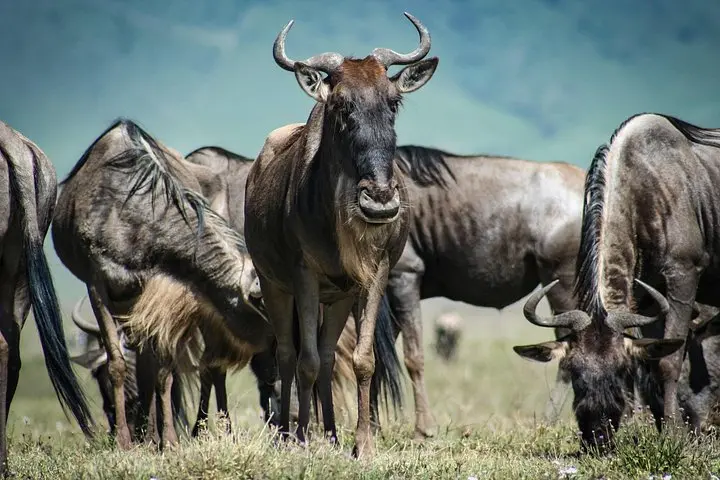
Geology here is raw—rift-scarred escarpments and volcanic soils that feed the grassland. Culturally, the Maasai people have lived beside the herds for generations; you’ll often pass small manyattas and cattle moving along the reserve edge. The Mara’s annual migration between the Serengeti and Masai Mara is one of the planet’s largest animal movements and the reserve is optimized to showcase it.
Practically, expect long, bumpy drives in an air-conditioned minivan and game drives in purpose-built vehicles. Accommodations are basic tented camp standard at Lenchada Camp with meals included as listed. Bring binoculars, a charged camera, layered clothing for hot days and cool mornings, and medication for dust or motion sensitivity. Vehicle hours can be long; hydrate and protect against the sun. Drivers and guides are professional and experienced in reading animal behavior—follow their guidance for safe wildlife viewing. The schedule is flexible enough for wildlife-driven adjustments, which is part of the appeal: nature sets the pace, and you follow.
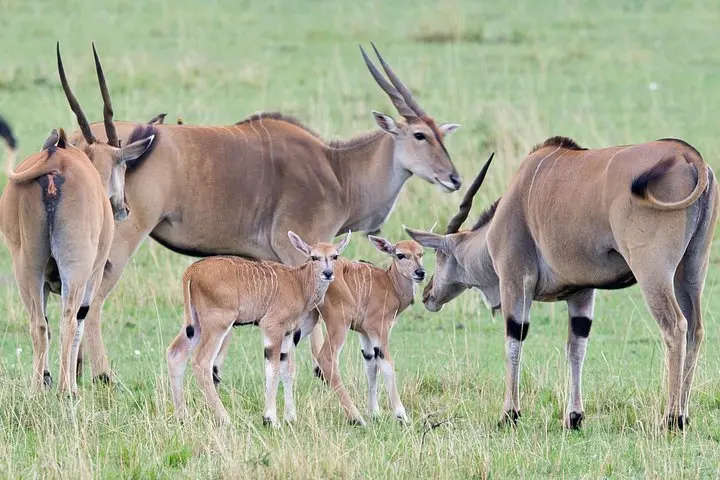
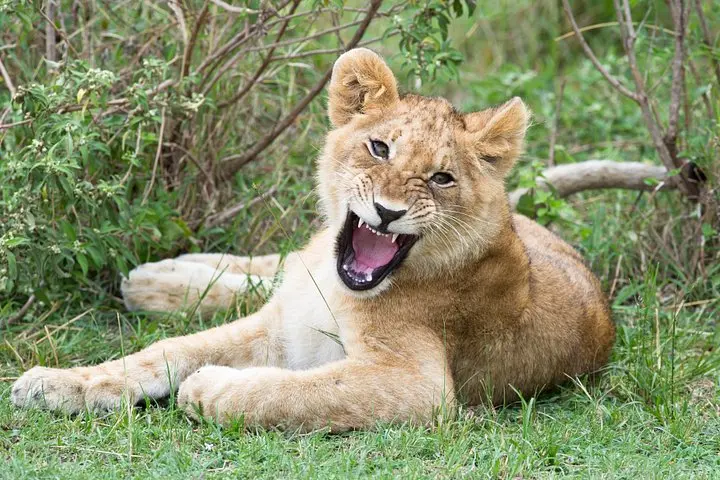
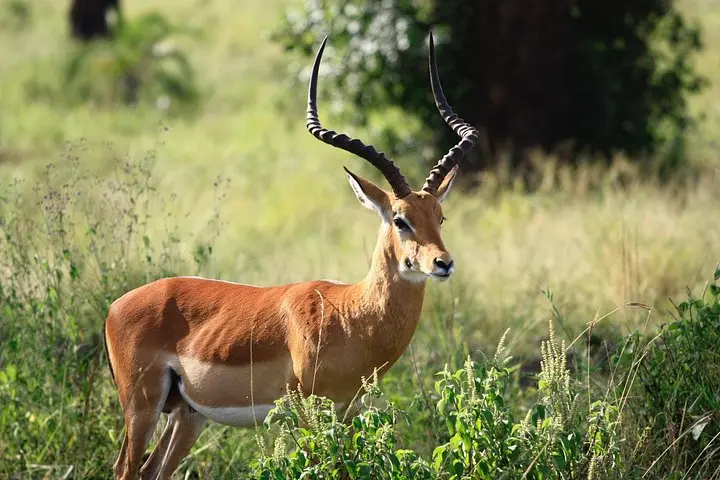
The Masai Mara hosts all Big Five species; three days with multiple drives gives a good chance, but wildlife sightings can’t be guaranteed—season and luck matter.
Standard routine vaccines are advised; malaria prophylaxis is recommended for travel to the Mara—consult a travel clinic well before departure.
Pickups are offered from Nairobi hotels or the airport; drop-off in Nairobi or at prearranged points in the afternoon of day three as listed by the operator.
Lenchada Camp is a budget tented camp with basic bedding, communal dining, and simple facilities—comfortable but not luxury; details are provided in the itinerary.
Sirmichaels Safaris operates guided outdoor trips and adventures with an emphasis on safety, stewardship, and memorable experiences.
You leave Nairobi before dawn, the city light thinning as the minivan hums down the Nairobi–Narok Highway. By mid-morning the road opens onto the Great Rift Valley viewpoint: a broad bowl of scrub and layered escarpments where wind seems to push the horizon forward.
You leave Nairobi before dawn, the city light thinning as the minivan hums down the Nairobi–Narok Highway. By mid-morning the road opens onto the Great Rift Valley viewpoint: a broad bowl of scrub and layered escarpments where wind seems to push the horizon forward.
The Masai Mara spreads beyond—gold grass that rocks in the breeze, kopjes (rock outcrops) punctuating the plain, and acacia trees throwing flat shadows. This three-day group-joining safari follows a classic game-drive rhythm: afternoon drives on arrival day, a full day chasing predators and migration corridors, and an early-morning sweep before returning to Nairobi.
Geology here is raw—rift-scarred escarpments and volcanic soils that feed the grassland. Culturally, the Maasai people have lived beside the herds for generations; you’ll often pass small manyattas and cattle moving along the reserve edge. The Mara’s annual migration between the Serengeti and Masai Mara is one of the planet’s largest animal movements and the reserve is optimized to showcase it.
Practically, expect long, bumpy drives in an air-conditioned minivan and game drives in purpose-built vehicles. Accommodations are basic tented camp standard at Lenchada Camp with meals included as listed. Bring binoculars, a charged camera, layered clothing for hot days and cool mornings, and medication for dust or motion sensitivity. Vehicle hours can be long; hydrate and protect against the sun. Drivers and guides are professional and experienced in reading animal behavior—follow their guidance for safe wildlife viewing. The schedule is flexible enough for wildlife-driven adjustments, which is part of the appeal: nature sets the pace, and you follow.