THE ADVENTURE COLLECTIVE® · Independent discovery and booking for outdoor travel

Move at the Mekong’s pace on a three-day river cruise from the canals of Cai Be to the quay of Phnom Penh. Expect floating markets, sampan excursions, orchard walks, and a close-up look at Delta life.
Move at the Mekong’s pace on a three-day river cruise from the canals of Cai Be to the quay of Phnom Penh. Expect floating markets, sampan excursions, orchard walks, and a close-up look at Delta life.
The morning mist lifts off the Mekong as the boat slips away from the bank — wooden sampans huddle at market stalls, and the river seems to dare you to slow down and look. On this three-day Mekong Eyes cruise you move at the river’s pace: waterways narrowing and widening, shorelines shifting from rice paddies to stilted houses, and the city silhouette of Phnom Penh rising in the distance.
Verified experiences and guided adventures in the surrounding area.
Operated by Mekong Tourist · Ho Chi Minh City, Ho Chi Minh
The morning mist lifts off the Mekong as the boat slips away from the bank — wooden sampans huddle at market stalls, and the river seems to dare you to slow down and look. On this three-day Mekong Eyes cruise you move at the river’s pace: waterways narrowing and widening, shorelines shifting from rice paddies to stilted houses, and the city silhouette of Phnom Penh rising in the distance.
Geology and history thread through each stop. The Mekong Delta is recent alluvium, a shifting plain built by river-borne silt, where Khmer and Vietnamese cultures have mixed for centuries. Floating markets like Cai Rang and Cai Be are living economic systems shaped by tides and trade; Cham and Khmer communities near Chau Doc add language and culinary layers that hint at the region’s complex past.
Expect small-boat excursions to crowded floating stalls, orchard walks on landings, and a chance to visit an Angkor Wat-style itinerary endpoint in Phnom Penh if you continue overland. The days are low-impact physically but sensory-rich — voices, spices, scooter horns, and the clack of oars.
Practical guidance: bring a light rain jacket and fast-drying clothes for sudden showers, small bills for market purchases, and a refillable water bottle to cut plastic waste. Shore excursions can involve uneven paths and short sampan transfers; move deliberately and wear closed-toe shoes. Be mindful of immigration timing if taking the public speedboat to Phnom Penh — currents and processing can delay arrival. This cruise is for travelers who prefer observation and cultural encounters over strenuous activity — a riverborne introduction to the Mekong’s rhythms and people.
Most lunches and dinners while on the boat are included; itineraries list specific meals provided (typically two lunches, two breakfasts and dinners as noted).
Yes—most nationalities require a visa for Cambodia; check visa-on-arrival rules and ensure your passport validity meets entry requirements before joining the cruise.
Arrivals can be delayed by currents and immigration processing; allow flexible onward plans and follow operator updates about timing.
Mekong Tourist operates guided outdoor trips and adventures with an emphasis on safety, stewardship, and memorable experiences.
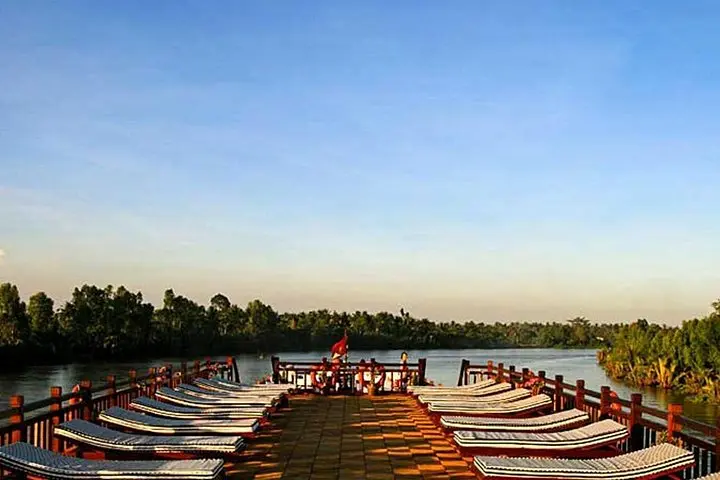
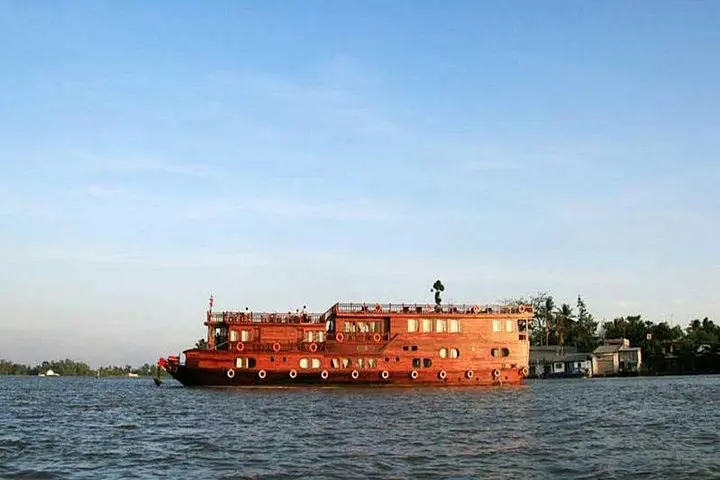
The morning mist lifts off the Mekong as the boat slips away from the bank — wooden sampans huddle at market stalls, and the river seems to dare you to slow down and look. On this three-day Mekong Eyes cruise you move at the river’s pace: waterways narrowing and widening, shorelines shifting from rice paddies to stilted houses, and the city silhouette of Phnom Penh rising in the distance.
The morning mist lifts off the Mekong as the boat slips away from the bank — wooden sampans huddle at market stalls, and the river seems to dare you to slow down and look. On this three-day Mekong Eyes cruise you move at the river’s pace: waterways narrowing and widening, shorelines shifting from rice paddies to stilted houses, and the city silhouette of Phnom Penh rising in the distance.
Geology and history thread through each stop. The Mekong Delta is recent alluvium, a shifting plain built by river-borne silt, where Khmer and Vietnamese cultures have mixed for centuries. Floating markets like Cai Rang and Cai Be are living economic systems shaped by tides and trade; Cham and Khmer communities near Chau Doc add language and culinary layers that hint at the region’s complex past.
Expect small-boat excursions to crowded floating stalls, orchard walks on landings, and a chance to visit an Angkor Wat-style itinerary endpoint in Phnom Penh if you continue overland. The days are low-impact physically but sensory-rich — voices, spices, scooter horns, and the clack of oars.
Practical guidance: bring a light rain jacket and fast-drying clothes for sudden showers, small bills for market purchases, and a refillable water bottle to cut plastic waste. Shore excursions can involve uneven paths and short sampan transfers; move deliberately and wear closed-toe shoes. Be mindful of immigration timing if taking the public speedboat to Phnom Penh — currents and processing can delay arrival. This cruise is for travelers who prefer observation and cultural encounters over strenuous activity — a riverborne introduction to the Mekong’s rhythms and people.