THE ADVENTURE COLLECTIVE® · Independent discovery and booking for outdoor travel

Swap busy routes for wide horizons and river thickets on a three-day safari in Meru National Park. Expect long drives, abundant birdlife, and close encounters with elephants and Grevy's zebras while staying in remote, low-traffic areas.
Swap busy routes for wide horizons and river thickets on a three-day safari in Meru National Park. Expect long drives, abundant birdlife, and close encounters with elephants and Grevy's zebras while staying in remote, low-traffic areas.
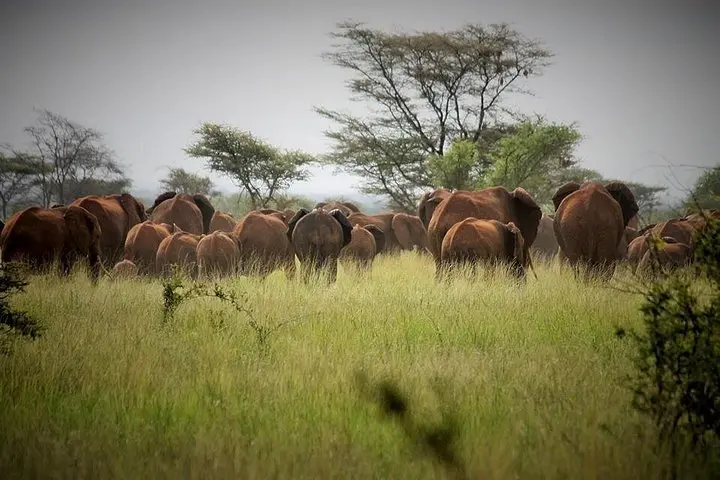
Dawn breaks over dry grass and riverine forest; a Land Cruiser hums along a rutted track while hippo calls echo from an oxbow pool. The air here feels deliberate—rivers push the landscape, termite cathedrals pierce the plains, and birds patrol the canopy with military precision. This three-day safari through Meru (and nearby Kora terrain) trades crowds for elbow room: long game drives thread jungle corridors, swamp margins and open khaki grassland where Grevy's zebras and elephants graze.
Verified experiences and guided adventures in the surrounding area.
Operated by Adventure 360 Africa · Meru, Meru County
Dawn breaks over dry grass and riverine forest; a Land Cruiser hums along a rutted track while hippo calls echo from an oxbow pool. The air here feels deliberate—rivers push the landscape, termite cathedrals pierce the plains, and birds patrol the canopy with military precision. This three-day safari through Meru (and nearby Kora terrain) trades crowds for elbow room: long game drives thread jungle corridors, swamp margins and open khaki grassland where Grevy's zebras and elephants graze.
Meru's geography is a patchwork of low hills, the Tana River's braided channels, and ancient volcanic soils that feed lush riverine strips amid semi-arid savanna. The park's modern protection dates to the mid-20th century, set up to conserve these riparian habitats and the animals that rely on them; local Meru communities share deep cultural links to the land and rivers. Expect to learn about pastoralism and community conservancy efforts when guides explain how people and wildlife coexist on the park's margins.
Practically: game drives start at first light and again late afternoon to match animal activity. Roads vary from smooth tracks to corrugation—a high-clearance vehicle is essential. Guide briefings usually include tracking basics and safety around large mammals; bring binoculars and a lightweight jacket for cool mornings. Hydration and sun protection are non-negotiable—the sun is direct and relentless when it clears.
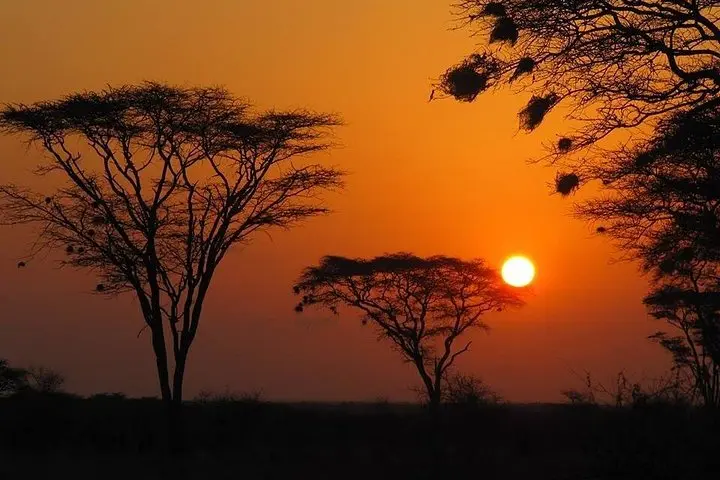
By the final evening the river takes on an amber glow and the park’s quiet grows assertive; Meru rewards patience and a willingness to listen to the landscape’s slow, purposeful rhythms.
The drier months (June–October and December–February) generally offer the most reliable game viewing and easier road conditions; short rains can still yield excellent birding.
Yellow fever vaccination may be required depending on your travel history; malaria prophylaxis is recommended—check with a travel clinic before departure.
Options vary from basic tented camps to mid-range lodges; the product typically includes meals and private transport—confirm the specific lodge standard when booking.
Guides maintain safe viewing distances and follow park regulations; encounters with elephants and buffalo require caution—always obey your guide's instructions.
Adventure 360 Africa operates guided outdoor trips and adventures with an emphasis on safety, stewardship, and memorable experiences.
Dawn breaks over dry grass and riverine forest; a Land Cruiser hums along a rutted track while hippo calls echo from an oxbow pool. The air here feels deliberate—rivers push the landscape, termite cathedrals pierce the plains, and birds patrol the canopy with military precision. This three-day safari through Meru (and nearby Kora terrain) trades crowds for elbow room: long game drives thread jungle corridors, swamp margins and open khaki grassland where Grevy's zebras and elephants graze.
Dawn breaks over dry grass and riverine forest; a Land Cruiser hums along a rutted track while hippo calls echo from an oxbow pool. The air here feels deliberate—rivers push the landscape, termite cathedrals pierce the plains, and birds patrol the canopy with military precision. This three-day safari through Meru (and nearby Kora terrain) trades crowds for elbow room: long game drives thread jungle corridors, swamp margins and open khaki grassland where Grevy's zebras and elephants graze.
Meru's geography is a patchwork of low hills, the Tana River's braided channels, and ancient volcanic soils that feed lush riverine strips amid semi-arid savanna. The park's modern protection dates to the mid-20th century, set up to conserve these riparian habitats and the animals that rely on them; local Meru communities share deep cultural links to the land and rivers. Expect to learn about pastoralism and community conservancy efforts when guides explain how people and wildlife coexist on the park's margins.
Practically: game drives start at first light and again late afternoon to match animal activity. Roads vary from smooth tracks to corrugation—a high-clearance vehicle is essential. Guide briefings usually include tracking basics and safety around large mammals; bring binoculars and a lightweight jacket for cool mornings. Hydration and sun protection are non-negotiable—the sun is direct and relentless when it clears.
By the final evening the river takes on an amber glow and the park’s quiet grows assertive; Meru rewards patience and a willingness to listen to the landscape’s slow, purposeful rhythms.