THE ADVENTURE COLLECTIVE® · Independent discovery and booking for outdoor travel
Cross the High Atlas, walk Ait Ben Haddou, and ride camels into Erg Chebbi for a Berber camp under a brilliant desert sky. This three-day loop pairs cinematic landscapes with cultural stops and a star-filled night in a traditional tent.
Cross the High Atlas, walk Ait Ben Haddou, and ride camels into Erg Chebbi for a Berber camp under a brilliant desert sky. This three-day loop pairs cinematic landscapes with cultural stops and a star-filled night in a traditional tent.
Dawn pours liquid gold over rolling dunes as your camel’s rhythm sets the pace—this is Erg Chebbi. The first morning you leave Marrakech, the road climbs the High Atlas, giving way to red-earth valleys, kasbah-lined villages and the film locations of Ait Ben Haddou. By day two the landscape tightens into the vertical walls of Todra Gorge; by evening the Sahara’s horizon opens and the dunes take over.
Verified experiences and guided adventures in the surrounding area.
Operated by Marrakech Safari · Merzouga, Drâa-Tafilalet
Dawn pours liquid gold over rolling dunes as your camel’s rhythm sets the pace—this is Erg Chebbi. The first morning you leave Marrakech, the road climbs the High Atlas, giving way to red-earth valleys, kasbah-lined villages and the film locations of Ait Ben Haddou. By day two the landscape tightens into the vertical walls of Todra Gorge; by evening the Sahara’s horizon opens and the dunes take over.
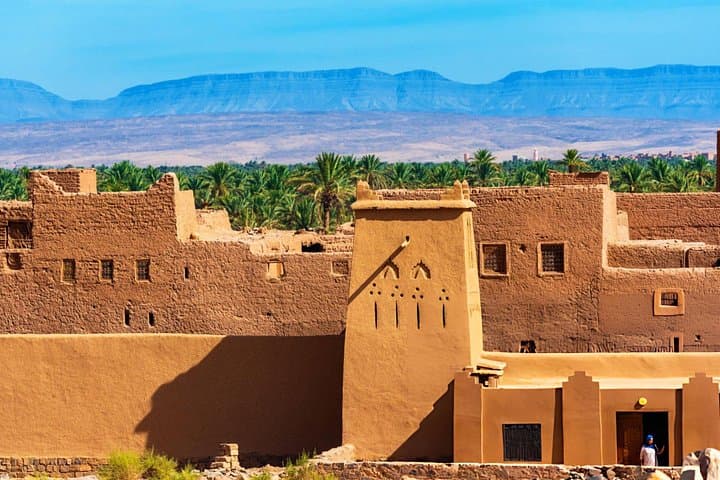
The region’s history is visible in mud-brick kasbahs and caravan routes: this was once a corridor for salt and date caravans bound for Timbuktu. Geologically the Erg Chebbi is a wind-built sea of sand, its ridges migrating with seasonal winds; the High Atlas nearby is young, tectonically uplifted rock that feeds the valley sediments.
Cultural notes follow the itinerary—Berber hospitality, Gnawa music in local villages, and markets in Erfoud where dates and fossils point to human and natural stories. Expect authentic camp life: dinner cooked over coals, communal music under clear skies, and basic but comfortable canvas accommodations.
Practical edge: the camel treks here are short (30–40 minutes) but riding can be jarring; bring closed shoes and a small daypack. Nights get cold—pack layers and a warm hat. Hydrate frequently and carry cash for small purchases in villages. If you’re driving the route, allow extra time for photo stops in the Rose Valley and Ait Ben Haddou. The trip balances long vehicle transit with short active segments—arrive prepared and you’ll leave with vivid desert memories.
The standard camel trek is about 30–40 minutes to reach the camp from the edge of the road; sunrise or sunset rides are popular for light and color.
Tents are traditional Berber canvas with basic bedding; hosts usually provide warm blankets and a simple mattress—expect rustic comfort rather than hotel luxury.
Service is intermittent around Erg Chebbi and at remote camps; plan for limited connectivity and bring offline maps or a local SIM if needed.
The tour includes vehicle transfers, short walks and mounting camels; it’s not ideal for those with significant mobility restrictions—contact the operator to discuss accommodations.
Marrakech Safari operates guided outdoor trips and adventures with an emphasis on safety, stewardship, and memorable experiences.
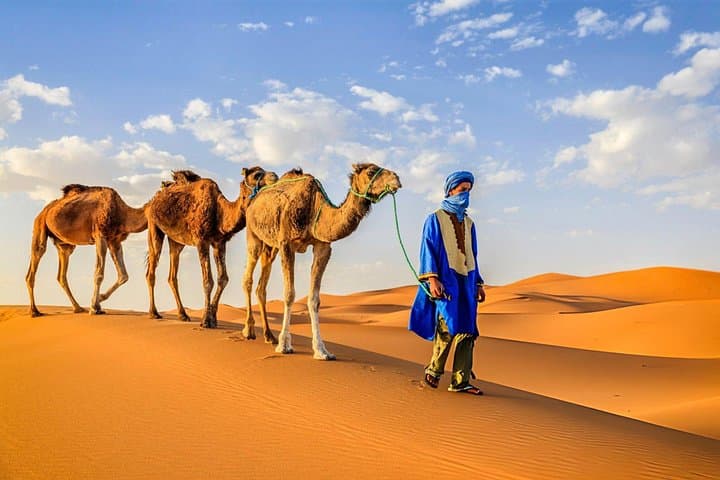
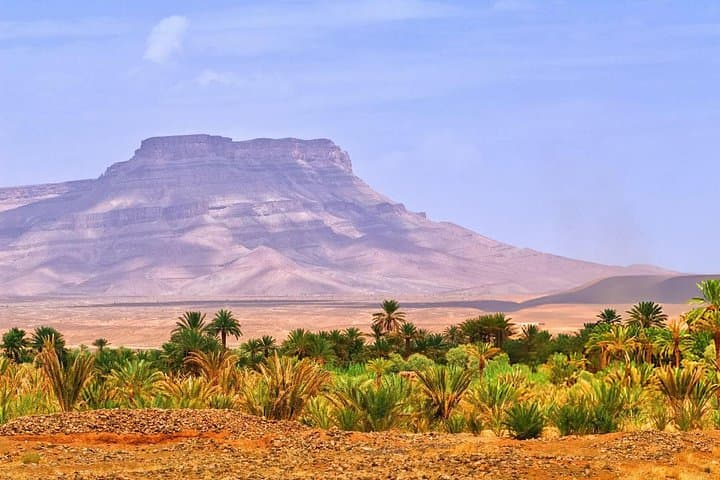
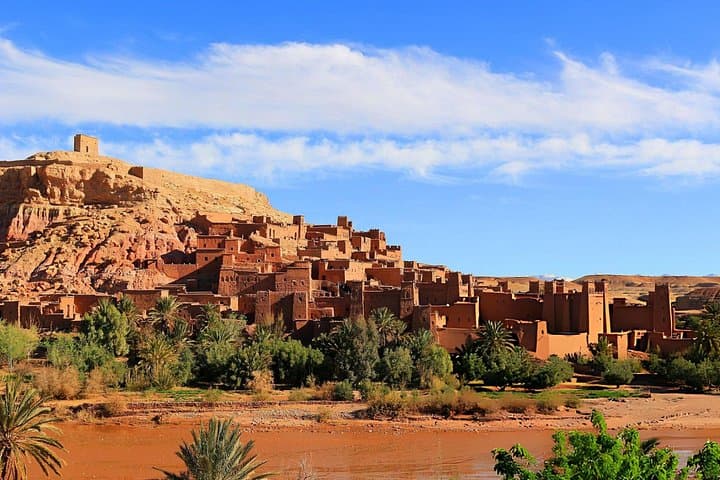
Dawn pours liquid gold over rolling dunes as your camel’s rhythm sets the pace—this is Erg Chebbi. The first morning you leave Marrakech, the road climbs the High Atlas, giving way to red-earth valleys, kasbah-lined villages and the film locations of Ait Ben Haddou. By day two the landscape tightens into the vertical walls of Todra Gorge; by evening the Sahara’s horizon opens and the dunes take over.
Dawn pours liquid gold over rolling dunes as your camel’s rhythm sets the pace—this is Erg Chebbi. The first morning you leave Marrakech, the road climbs the High Atlas, giving way to red-earth valleys, kasbah-lined villages and the film locations of Ait Ben Haddou. By day two the landscape tightens into the vertical walls of Todra Gorge; by evening the Sahara’s horizon opens and the dunes take over.
The region’s history is visible in mud-brick kasbahs and caravan routes: this was once a corridor for salt and date caravans bound for Timbuktu. Geologically the Erg Chebbi is a wind-built sea of sand, its ridges migrating with seasonal winds; the High Atlas nearby is young, tectonically uplifted rock that feeds the valley sediments.
Cultural notes follow the itinerary—Berber hospitality, Gnawa music in local villages, and markets in Erfoud where dates and fossils point to human and natural stories. Expect authentic camp life: dinner cooked over coals, communal music under clear skies, and basic but comfortable canvas accommodations.
Practical edge: the camel treks here are short (30–40 minutes) but riding can be jarring; bring closed shoes and a small daypack. Nights get cold—pack layers and a warm hat. Hydrate frequently and carry cash for small purchases in villages. If you’re driving the route, allow extra time for photo stops in the Rose Valley and Ait Ben Haddou. The trip balances long vehicle transit with short active segments—arrive prepared and you’ll leave with vivid desert memories.
