THE ADVENTURE COLLECTIVE® · Independent discovery and booking for outdoor travel

Trade Marrakech’s medina for a three-day sweep of High Atlas passes, kasbahs and the Erg Chebbi dunes. Ride camels at sunset, sleep in a Berber tent and learn about southern Moroccan life while keeping the trip accessible for most fitness levels.
Trade Marrakech’s medina for a three-day sweep of High Atlas passes, kasbahs and the Erg Chebbi dunes. Ride camels at sunset, sleep in a Berber tent and learn about southern Moroccan life while keeping the trip accessible for most fitness levels.
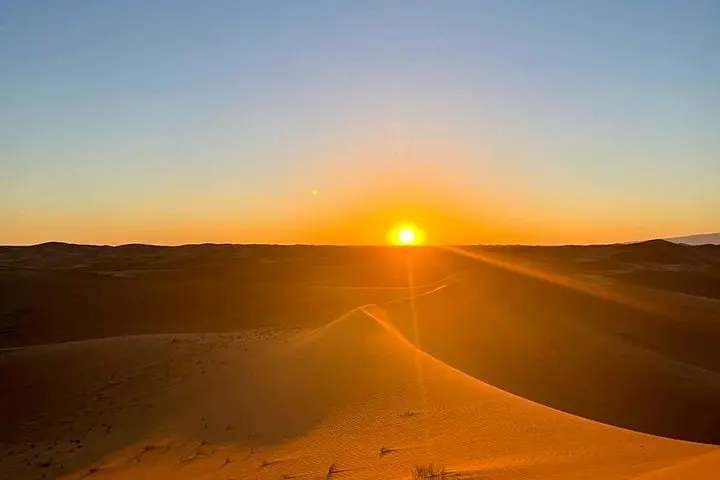
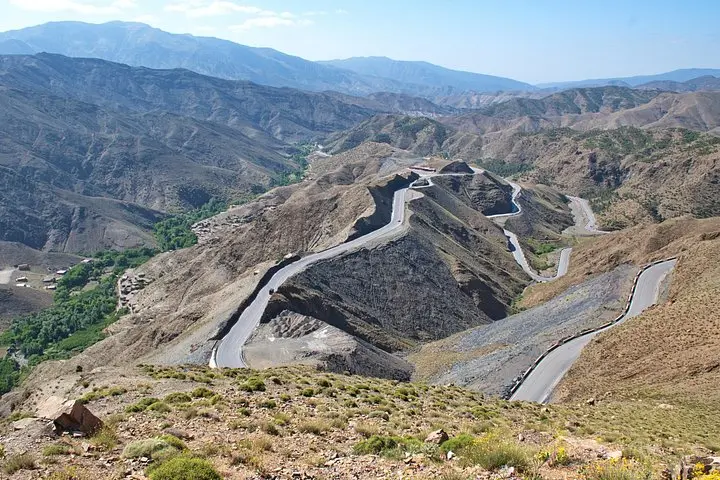
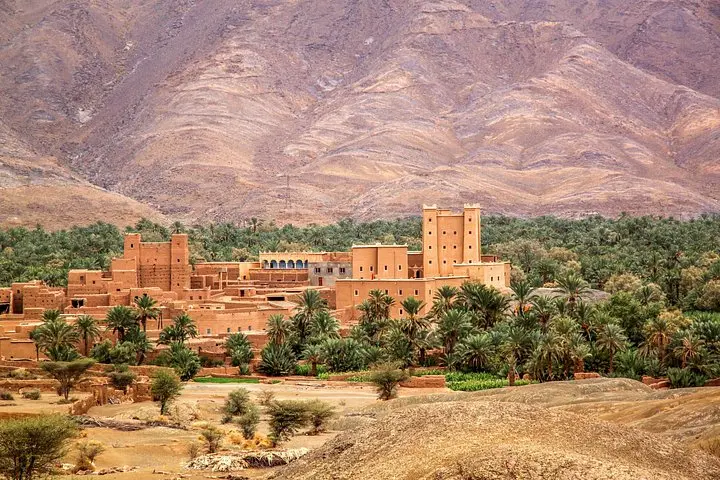
The sun slides low across an ocean of sand as a crescent of riders threads a camel caravan toward a simple Berber camp — that first dusk in Erg Chebbi sets the rhythm for this three-day circuit from Marrakech. Travelers move through serrated High Atlas passes into red-rock valleys, past kasbahs and riverbeds that hint at an ancient trade route, until the land opens to wind-sculpted dunes.
Verified experiences and guided adventures in the surrounding area.
Operated by Discover sahara tours · Merzouga, Drâa-Tafilalet
The sun slides low across an ocean of sand as a crescent of riders threads a camel caravan toward a simple Berber camp — that first dusk in Erg Chebbi sets the rhythm for this three-day circuit from Marrakech. Travelers move through serrated High Atlas passes into red-rock valleys, past kasbahs and riverbeds that hint at an ancient trade route, until the land opens to wind-sculpted dunes.
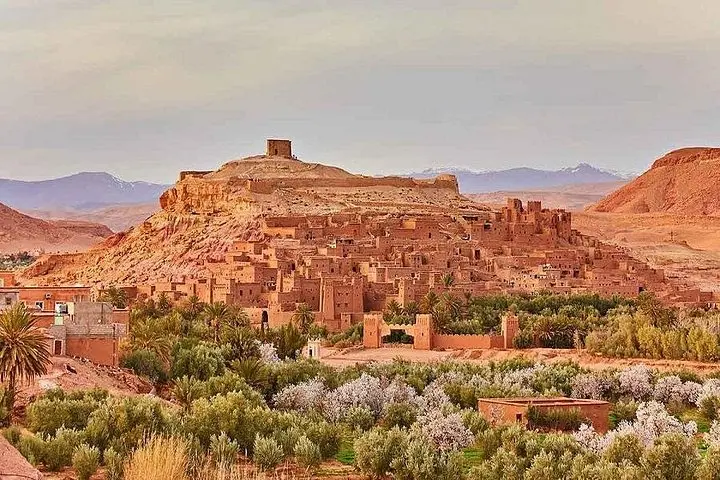
Geology here is blunt and active: sand moved by the Sahara’s seasonal winds builds dunes that reach roughly 100–150 meters, while dry riverbeds record rare flash floods. Cultural notes are immediate — Ait Ben Haddou’s mud-brick ksar is a UNESCO site that illustrates southern Morocco’s caravan-era architecture, and small Berber villages along the way offer insights into traditional agriculture and craft.
Expect long driving legs (Marrakech to Merzouga is commonly an 8–10 hour road journey with stops), a gentle camel trek across soft sand, and an overnight under canvas with communal meals, mint tea and drums. Erg Chebbi sits around 31.11°N, −4.01°W at roughly 700–800m elevation; temperatures swing hot by day and chilly after sunset.
Practical guidance: time dunes for sunrise or sunset for best light; carry at least 2–3 liters of water per day, sun protection and layers for cold nights. Footwear that resists sand — light boots or closed sandals — helps on dune slopes. Bring cash for small purchases in villages and a headlamp for the camp. For travelers seeking immersive desert culture with manageable effort, this route balances driving, short hikes and authentic overnight camping.
Expect roughly 8–10 hours of driving with scheduled stops (Tizi n’Tichka, Ait Ben Haddou, valleys) depending on traffic and timing.
Yes; camel treks on this route are short, guided, and suitable for first-time riders — guides manage the animals and provide basic instruction.
Tents are traditional-style with mattresses and blankets; nights can be cold so bring warm layers—some camps provide extra blankets on request.
Generally yes — the itinerary notes it’s suitable for all fitness levels, but long vehicle hours and uneven sand may be tiring for very young children or those with mobility issues.
Discover sahara tours operates guided outdoor trips and adventures with an emphasis on safety, stewardship, and memorable experiences.
The sun slides low across an ocean of sand as a crescent of riders threads a camel caravan toward a simple Berber camp — that first dusk in Erg Chebbi sets the rhythm for this three-day circuit from Marrakech. Travelers move through serrated High Atlas passes into red-rock valleys, past kasbahs and riverbeds that hint at an ancient trade route, until the land opens to wind-sculpted dunes.
The sun slides low across an ocean of sand as a crescent of riders threads a camel caravan toward a simple Berber camp — that first dusk in Erg Chebbi sets the rhythm for this three-day circuit from Marrakech. Travelers move through serrated High Atlas passes into red-rock valleys, past kasbahs and riverbeds that hint at an ancient trade route, until the land opens to wind-sculpted dunes.
Geology here is blunt and active: sand moved by the Sahara’s seasonal winds builds dunes that reach roughly 100–150 meters, while dry riverbeds record rare flash floods. Cultural notes are immediate — Ait Ben Haddou’s mud-brick ksar is a UNESCO site that illustrates southern Morocco’s caravan-era architecture, and small Berber villages along the way offer insights into traditional agriculture and craft.
Expect long driving legs (Marrakech to Merzouga is commonly an 8–10 hour road journey with stops), a gentle camel trek across soft sand, and an overnight under canvas with communal meals, mint tea and drums. Erg Chebbi sits around 31.11°N, −4.01°W at roughly 700–800m elevation; temperatures swing hot by day and chilly after sunset.
Practical guidance: time dunes for sunrise or sunset for best light; carry at least 2–3 liters of water per day, sun protection and layers for cold nights. Footwear that resists sand — light boots or closed sandals — helps on dune slopes. Bring cash for small purchases in villages and a headlamp for the camp. For travelers seeking immersive desert culture with manageable effort, this route balances driving, short hikes and authentic overnight camping.