THE ADVENTURE COLLECTIVE® · Independent discovery and booking for outdoor travel

Cross the High Atlas, ride camels across Erg Chebbi and sleep in a Berber desert camp on this three-day Sahara adventure from Marrakech. Expect long scenic drives, sunrise dune climbs, and evening music around the fire.
Cross the High Atlas, ride camels across Erg Chebbi and sleep in a Berber desert camp on this three-day Sahara adventure from Marrakech. Expect long scenic drives, sunrise dune climbs, and evening music around the fire.
You pull away from Marrakech at dawn and the High Atlas unfurls: terraced villages shrinking, a ribbon of road climbing toward Tizi n'Tichka as the wind sharpens. By afternoon the landscape sheds green for ochre plateaus and the first palms of the Draa Valley appear like an invitation. By sunset you stand on a dune crest at Erg Chebbi; the sand seems to be daring you to follow its curves as camels line up for a slow, swaying ride to camp.
Verified experiences and guided adventures in the surrounding area.
Operated by Safari Marrakech · Merzouga, Drâa‑Tafilalet
You pull away from Marrakech at dawn and the High Atlas unfurls: terraced villages shrinking, a ribbon of road climbing toward Tizi n'Tichka as the wind sharpens. By afternoon the landscape sheds green for ochre plateaus and the first palms of the Draa Valley appear like an invitation. By sunset you stand on a dune crest at Erg Chebbi; the sand seems to be daring you to follow its curves as camels line up for a slow, swaying ride to camp.
This three-day loop threads history and geology — mountain limestone folded into arid basins, kasbahs built of rammed earth, and caravan routes that once linked sub‑Saharan trade to Atlantic ports. Berber families and nomadic rhythms shape the culture here: evening meals punctuated by live music and stories in camp, sunrise prayers and the practical order of desert life.
Expect long driving days (Marrakech to Merzouga is a full, scenic transfer over mountain passes and wide plains), moderate physical demand for camel treks of roughly 1–2 hours, and basic desert camp accommodations. Terrain alternates paved highways, gravel tracks and soft sand; temperatures swing from hot daytime sun to cold nights beneath a wide, very dark sky. Practical points: hydrate early and often, layer for temperature swings, wear closed shoes for dune scrambling, and schedule sunrise or sunset on the dunes for the best light. Respect camp rules and local guides — the dunes are fragile, and small choices (water use, litter, off-track driving) have outsized effects on this ecosystem.
The trip is straightforward for moderately fit travelers and delivers classic Sahara moments: camelback horizons, starry silence, and a connection to a landscape that still shapes the lives of its people.
Expect roughly 8–10 hours of driving with stops; the route crosses the High Atlas and includes photo and rest breaks.
No special skills required—rides are steady and guided, but they can be uncomfortable for people with back or hip problems; options for 4x4 transfers exist.
Camps offer traditional tents with mattresses and blankets; facilities vary from basic to private‑tent setups—confirm standards with the operator.
Children 12 and older are typically accepted, but check age limits and consider the long drives and overnight conditions before booking.
Safari Marrakech operates guided outdoor trips and adventures with an emphasis on safety, stewardship, and memorable experiences.

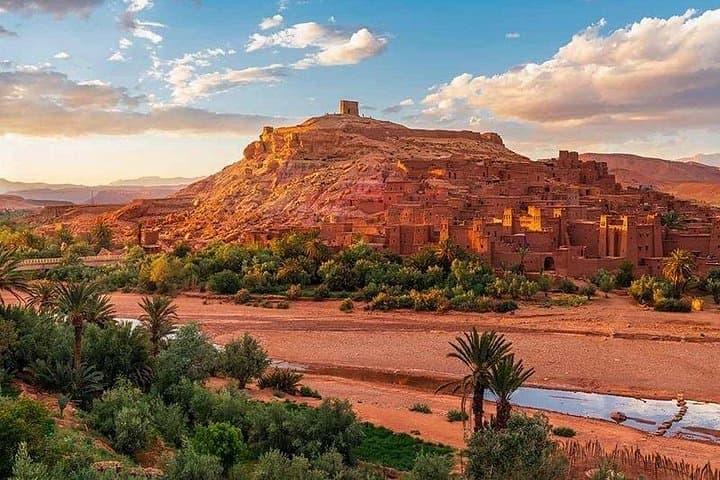


You pull away from Marrakech at dawn and the High Atlas unfurls: terraced villages shrinking, a ribbon of road climbing toward Tizi n'Tichka as the wind sharpens. By afternoon the landscape sheds green for ochre plateaus and the first palms of the Draa Valley appear like an invitation. By sunset you stand on a dune crest at Erg Chebbi; the sand seems to be daring you to follow its curves as camels line up for a slow, swaying ride to camp.
You pull away from Marrakech at dawn and the High Atlas unfurls: terraced villages shrinking, a ribbon of road climbing toward Tizi n'Tichka as the wind sharpens. By afternoon the landscape sheds green for ochre plateaus and the first palms of the Draa Valley appear like an invitation. By sunset you stand on a dune crest at Erg Chebbi; the sand seems to be daring you to follow its curves as camels line up for a slow, swaying ride to camp.
This three-day loop threads history and geology — mountain limestone folded into arid basins, kasbahs built of rammed earth, and caravan routes that once linked sub‑Saharan trade to Atlantic ports. Berber families and nomadic rhythms shape the culture here: evening meals punctuated by live music and stories in camp, sunrise prayers and the practical order of desert life.
Expect long driving days (Marrakech to Merzouga is a full, scenic transfer over mountain passes and wide plains), moderate physical demand for camel treks of roughly 1–2 hours, and basic desert camp accommodations. Terrain alternates paved highways, gravel tracks and soft sand; temperatures swing from hot daytime sun to cold nights beneath a wide, very dark sky. Practical points: hydrate early and often, layer for temperature swings, wear closed shoes for dune scrambling, and schedule sunrise or sunset on the dunes for the best light. Respect camp rules and local guides — the dunes are fragile, and small choices (water use, litter, off-track driving) have outsized effects on this ecosystem.
The trip is straightforward for moderately fit travelers and delivers classic Sahara moments: camelback horizons, starry silence, and a connection to a landscape that still shapes the lives of its people.