THE ADVENTURE COLLECTIVE® · Independent discovery and booking for outdoor travel

Spend three days crossing Erg Chebbi by camel, sleeping in a desert camp, and visiting kasbahs and gorges along historic trade routes. This hands-on Merzouga experience combines long drives with authentic camp nights and sunrise walks on the dunes.
Spend three days crossing Erg Chebbi by camel, sleeping in a desert camp, and visiting kasbahs and gorges along historic trade routes. This hands-on Merzouga experience combines long drives with authentic camp nights and sunrise walks on the dunes.
The sand breathes heat and silence as you step from the village into Erg Chebbi; ridgelines of orange dunes rise like slow waves, and the camel train punctuates the horizon. At dusk the dunes darken and then glow, the sunset dragging long shadows that seem to move with you.
Verified experiences and guided adventures in the surrounding area.
Operated by Desert Atmosphere Tours · Merzouga, Drâa-Tafilalet
The sand breathes heat and silence as you step from the village into Erg Chebbi; ridgelines of orange dunes rise like slow waves, and the camel train punctuates the horizon. At dusk the dunes darken and then glow, the sunset dragging long shadows that seem to move with you.
This three-day route follows centuries-old trade corridors through the Drâa-Tafilalet—where kasbahs and fortified villages speak to caravan history and Berber life. Geologically, Erg Chebbi is a classic star and crescent dune field built by persistent northerly winds pushing sand from the dry lakebeds; you’ll cross compacted hammada before the slopes give way to soft, shifting sand.
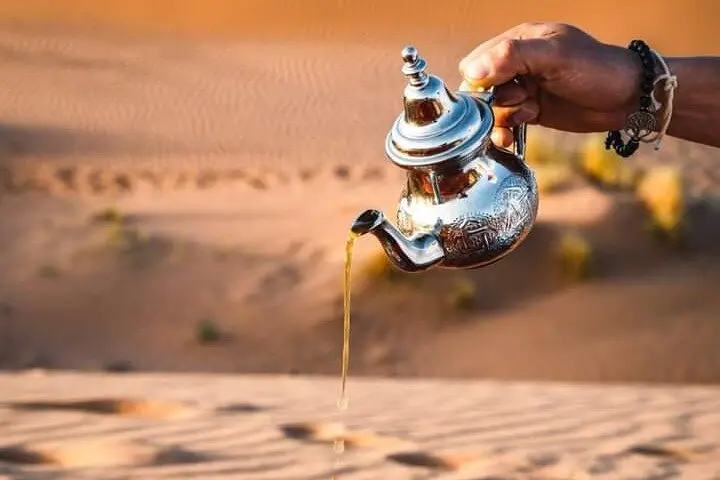
Culture is present in grainy kasbah walls, in Rissani’s market stalls, and in the Gnawa songs of Khamlia village; guides are often local Amazigh (Berber) families who keep camel-handling and desert lore alive. Expect simple desert camp comforts—dinner around a fire, sleeping in a heated tent or under open sky—and a sunrise that insists you wake early.
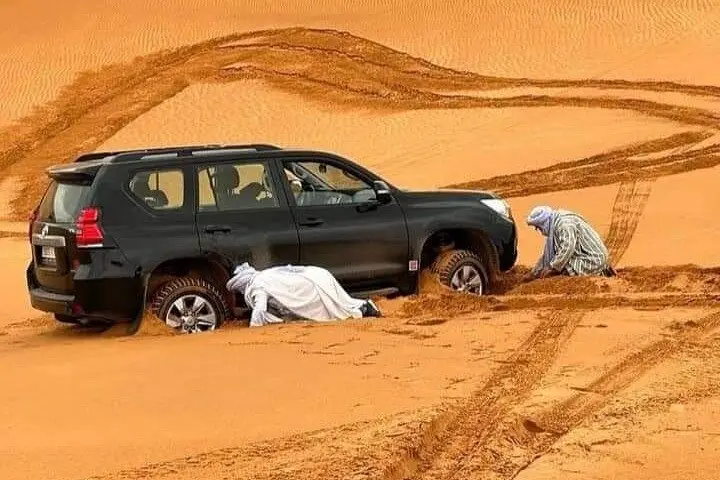
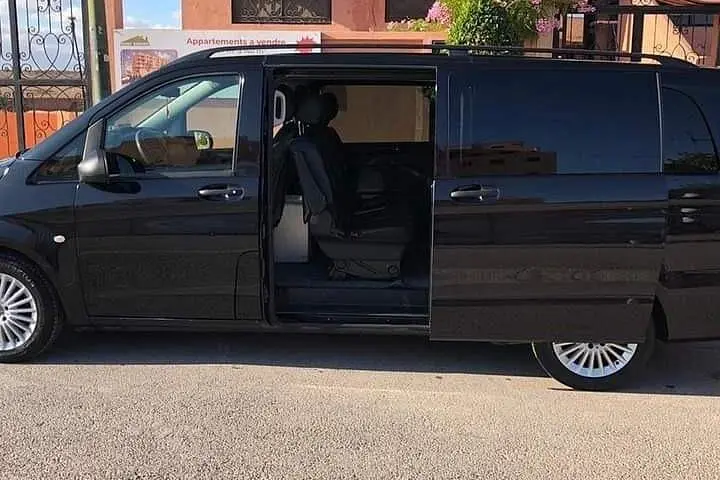
Practical notes: daytime temperatures swing widely from hot midday to cold nights, so layer. Camel rides average 1–2 hours between stops; the route involves long vehicle transfers when approaching from Ouarzazate or Tinghir. Hydration, sun protection, and steady footwear for rocky approach trails make the trip easier. Respect fragile desert soils—stay on established tracks, pack out litter, and tip guides who manage water and camp logistics. With minimal technical demands, this loop rewards patience: silence, sky, and the slow rhythm of desert travel.
Camel rides are generally gentle and paced for comfort; expect 1–2 hour stretches with breaks—basic mobility is all that’s required.
Most itineraries include one night in a traditional desert camp tent and may offer an option to sleep under the stars when conditions permit.
Many providers accept children and offer accessible transfers, but camel mounting can be challenging—check for assisted mounting if needed.
Tipping guides, camel handlers, and camp staff is customary; small cash tips distributed at the end of the trip are appreciated.
Desert Atmosphere Tours operates guided outdoor trips and adventures with an emphasis on safety, stewardship, and memorable experiences.
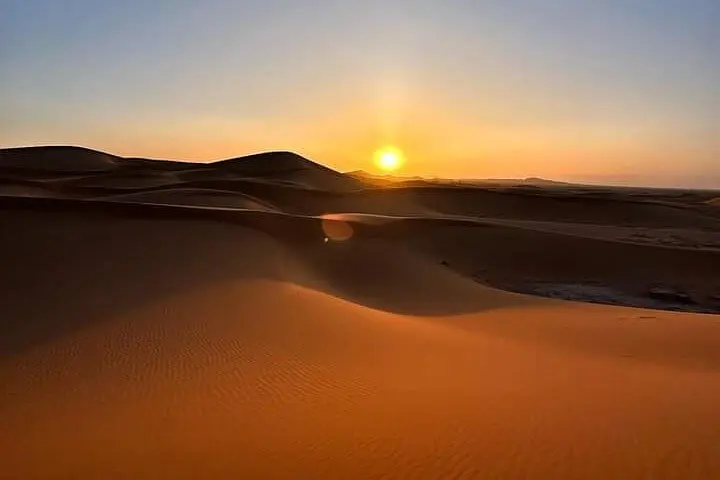
The sand breathes heat and silence as you step from the village into Erg Chebbi; ridgelines of orange dunes rise like slow waves, and the camel train punctuates the horizon. At dusk the dunes darken and then glow, the sunset dragging long shadows that seem to move with you.
The sand breathes heat and silence as you step from the village into Erg Chebbi; ridgelines of orange dunes rise like slow waves, and the camel train punctuates the horizon. At dusk the dunes darken and then glow, the sunset dragging long shadows that seem to move with you.
This three-day route follows centuries-old trade corridors through the Drâa-Tafilalet—where kasbahs and fortified villages speak to caravan history and Berber life. Geologically, Erg Chebbi is a classic star and crescent dune field built by persistent northerly winds pushing sand from the dry lakebeds; you’ll cross compacted hammada before the slopes give way to soft, shifting sand.
Culture is present in grainy kasbah walls, in Rissani’s market stalls, and in the Gnawa songs of Khamlia village; guides are often local Amazigh (Berber) families who keep camel-handling and desert lore alive. Expect simple desert camp comforts—dinner around a fire, sleeping in a heated tent or under open sky—and a sunrise that insists you wake early.
Practical notes: daytime temperatures swing widely from hot midday to cold nights, so layer. Camel rides average 1–2 hours between stops; the route involves long vehicle transfers when approaching from Ouarzazate or Tinghir. Hydration, sun protection, and steady footwear for rocky approach trails make the trip easier. Respect fragile desert soils—stay on established tracks, pack out litter, and tip guides who manage water and camp logistics. With minimal technical demands, this loop rewards patience: silence, sky, and the slow rhythm of desert travel.