THE ADVENTURE COLLECTIVE® · Independent discovery and booking for outdoor travel

Ride a camel across Erg Chebbi, sleep under clear desert skies, and try sandboarding on towering dunes on this three-day Merzouga adventure. Expect village culture, Gnawa music, fossil-rich outcrops near Erfoud, and big Sahara sunsets.
Ride a camel across Erg Chebbi, sleep under clear desert skies, and try sandboarding on towering dunes on this three-day Merzouga adventure. Expect village culture, Gnawa music, fossil-rich outcrops near Erfoud, and big Sahara sunsets.
The sun drops a coin of fire behind a line of ochre dunes as your camel's rhythm becomes the evening's metronome. Sand sighs underfoot and the camp lanterns blink awake; the Erg Chebbi dunes push and fold like a living landscape, daring you to climb one last ridge for the view.
Verified experiences and guided adventures in the surrounding area.
Operated by Get Travel · Merzouga, Drâa-Tafilalet
The sun drops a coin of fire behind a line of ochre dunes as your camel's rhythm becomes the evening's metronome. Sand sighs underfoot and the camp lanterns blink awake; the Erg Chebbi dunes push and fold like a living landscape, daring you to climb one last ridge for the view.
Merzouga sits on the eastern edge of Morocco's largest sand sea, shaped by millennia of wind that carved the giant crescent dunes you’ll cross. The region is a crossroads of Amazigh (Berber) culture and old caravan routes; Khamlia village preserves Gnawa music brought here by Saharan trade and migration. Geologically, Erg Chebbi’s dunes ride on wind-sorted sands and fossil-rich substrata—hence nearby Erfoud’s reputation for fossil workshops.
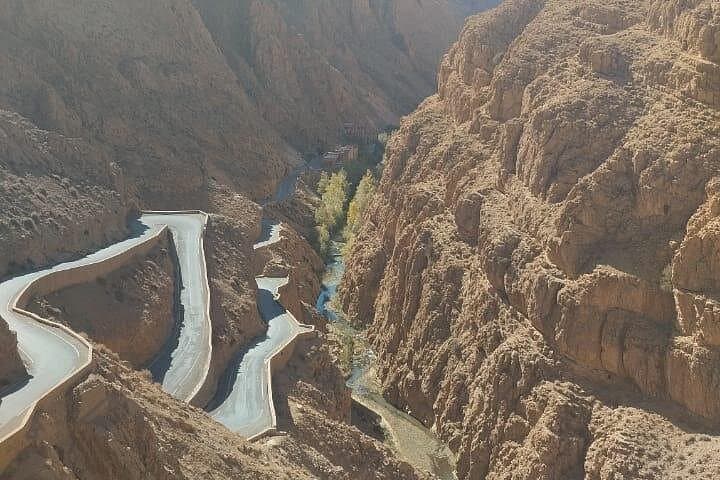
Across three days you’ll split time between village visits, sunrise and sunset camel treks, a night (or two) under canvas with Berber music, and options for sandboarding or short day trips to Todra Gorge and Rissani’s markets. Nights swing cold quickly in the desert, while daytime heat dries everything fast—plan layers and water.
Practical tips: hydrate early and often, wear closed-toe shoes for dune ascents, and test sandboarding on gentler slopes first. Respect local customs—dress modestly in villages and ask before photographing people. Camps are basic to comfortable; expect shared facilities in many traditional setups. This itinerary suits travelers comfortable with light trekking, slow travel rhythms, and the sharp contrasts of desert days and nights.
Treks vary: sunset and sunrise rides are typically 1–2 hours; transfers between village and camp use vehicles with shorter saddle sections.
Camps range from basic to more comfortable tents; most include bedding, dinners, and music—check provider details for toiletries and private tent options.
Luggage is usually transported by vehicle; pack a small overnight bag for camel transfers and leave larger bags in the vehicle or at hotel storage as instructed.
Sandboarding is often optional; beginner-friendly slopes are available and guides usually teach basic stance and safety before trying steeper runs.
Get Travel operates guided outdoor trips and adventures with an emphasis on safety, stewardship, and memorable experiences.


The sun drops a coin of fire behind a line of ochre dunes as your camel's rhythm becomes the evening's metronome. Sand sighs underfoot and the camp lanterns blink awake; the Erg Chebbi dunes push and fold like a living landscape, daring you to climb one last ridge for the view.
The sun drops a coin of fire behind a line of ochre dunes as your camel's rhythm becomes the evening's metronome. Sand sighs underfoot and the camp lanterns blink awake; the Erg Chebbi dunes push and fold like a living landscape, daring you to climb one last ridge for the view.
Merzouga sits on the eastern edge of Morocco's largest sand sea, shaped by millennia of wind that carved the giant crescent dunes you’ll cross. The region is a crossroads of Amazigh (Berber) culture and old caravan routes; Khamlia village preserves Gnawa music brought here by Saharan trade and migration. Geologically, Erg Chebbi’s dunes ride on wind-sorted sands and fossil-rich substrata—hence nearby Erfoud’s reputation for fossil workshops.
Across three days you’ll split time between village visits, sunrise and sunset camel treks, a night (or two) under canvas with Berber music, and options for sandboarding or short day trips to Todra Gorge and Rissani’s markets. Nights swing cold quickly in the desert, while daytime heat dries everything fast—plan layers and water.
Practical tips: hydrate early and often, wear closed-toe shoes for dune ascents, and test sandboarding on gentler slopes first. Respect local customs—dress modestly in villages and ask before photographing people. Camps are basic to comfortable; expect shared facilities in many traditional setups. This itinerary suits travelers comfortable with light trekking, slow travel rhythms, and the sharp contrasts of desert days and nights.