THE ADVENTURE COLLECTIVE® · Independent discovery and booking for outdoor travel

Three days from Marrakech to the Erg Chebbi dunes, this classic Moroccan desert circuit combines Atlas passes, UNESCO kasbahs, a camel ride into the Sahara, sandboarding, and an overnight Berber camp. Read on for what to expect and how to prepare.
Three days from Marrakech to the Erg Chebbi dunes, this classic Moroccan desert circuit combines Atlas passes, UNESCO kasbahs, a camel ride into the Sahara, sandboarding, and an overnight Berber camp. Read on for what to expect and how to prepare.
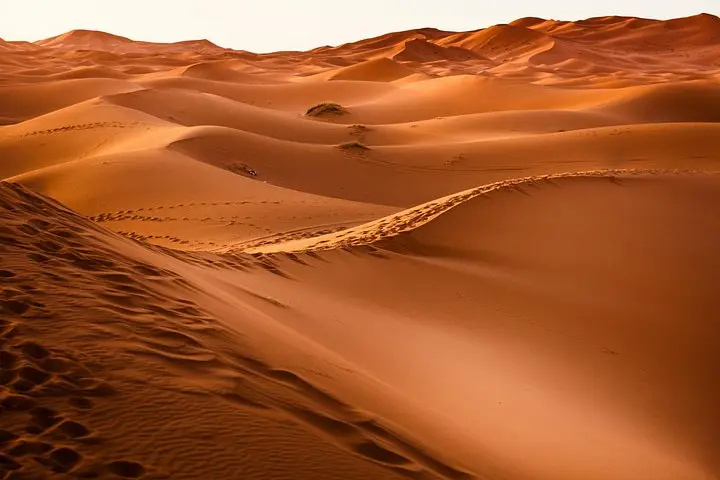
Dawn breaks over the High Atlas as a minivan winds up Tizi n’Tichka and the road opens to ochre valleys and kasbahs. By the time the party reaches Erg Chebbi, the dunes have a presence: a rolling, patient landscape that dares you to climb it, sink your feet in, and wait for the big sky to change color.
Verified experiences and guided adventures in the surrounding area.
Operated by Get Yr Trips · Merzouga, Drâa-Tafilalet
Dawn breaks over the High Atlas as a minivan winds up Tizi n’Tichka and the road opens to ochre valleys and kasbahs. By the time the party reaches Erg Chebbi, the dunes have a presence: a rolling, patient landscape that dares you to climb it, sink your feet in, and wait for the big sky to change color.
This route threads history and geology. The road passes Ait Ben Haddou — a mudbrick kasbah and UNESCO site that recalls caravan routes — then drops into Dades and Todra valleys carved from limestone and red sandstone. Merzouga sits at the edge of the Sahara, a living interface between the Tafilalet oasis culture and nomadic Berber traditions; camps here preserve music, food, and crafts that are centuries old.
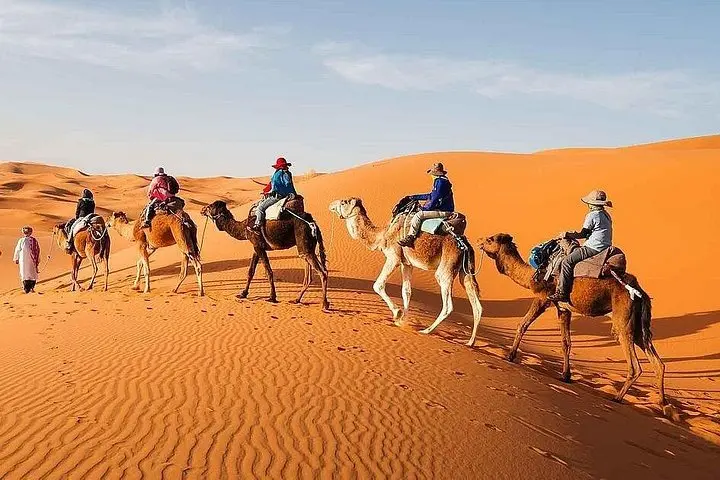
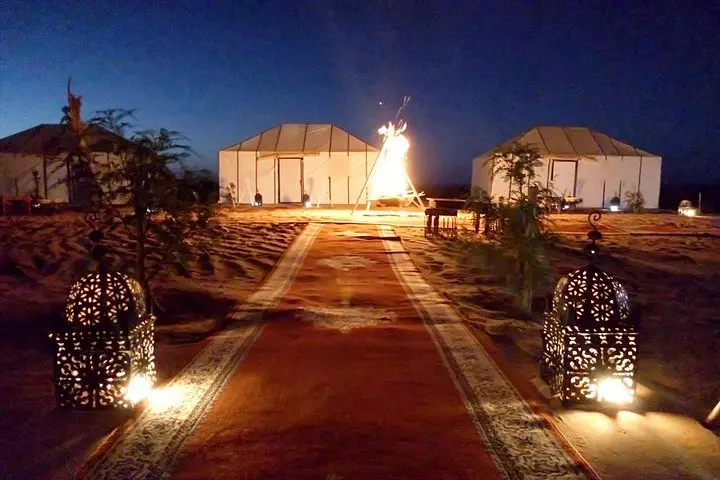
Expect three full days: long scenic drives, short village stops, a camel trek into the dunes at sunset, sandboarding on a moderate slope, and an overnight in a shared Berber-style camp with drums beneath a very dark sky. Nights are cold; days can be startlingly hot in summer.
Practical notes: travel involves several hours of driving each day, basic dune hiking, and mounted camel travel — no technical experience required. Pack sun protection, layers for cold nights, sturdy shoes for walking on sand, and at least 2–3 liters of water per day. Plan for simple overnight facilities, cash for tips and small purchases, and an early start from Marrakech to make full use of daylight.
The organized camel trek is typically 45–90 minutes each way, timed to reach the camp before sunset or for sunrise views; rides are at a walking pace.
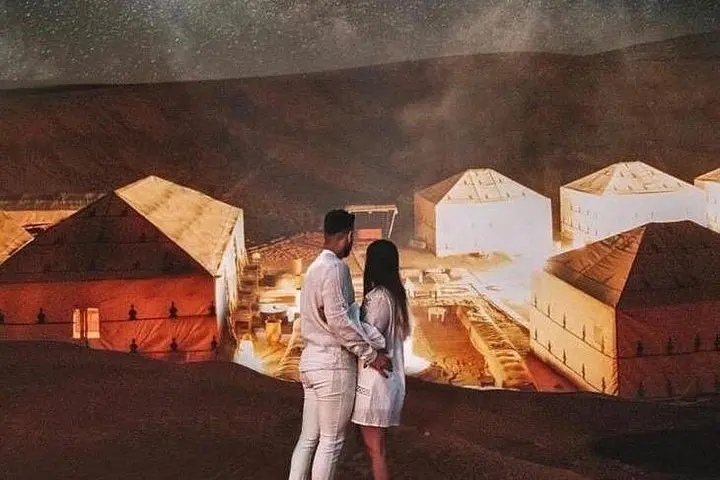
Most included camps are shared standard Berber-style tents with basic facilities; upgraded private tents are sometimes available on request but not always included.
Children can join but check camel comfort and long drives; the operator does not recommend the tour for pregnant travelers or those with serious heart conditions.
Carry Moroccan dirham for small purchases and local tips; tipping drivers, guides, and camp staff is customary—small amounts per person are normal.
Get Yr Trips operates guided outdoor trips and adventures with an emphasis on safety, stewardship, and memorable experiences.
Dawn breaks over the High Atlas as a minivan winds up Tizi n’Tichka and the road opens to ochre valleys and kasbahs. By the time the party reaches Erg Chebbi, the dunes have a presence: a rolling, patient landscape that dares you to climb it, sink your feet in, and wait for the big sky to change color.
Dawn breaks over the High Atlas as a minivan winds up Tizi n’Tichka and the road opens to ochre valleys and kasbahs. By the time the party reaches Erg Chebbi, the dunes have a presence: a rolling, patient landscape that dares you to climb it, sink your feet in, and wait for the big sky to change color.
This route threads history and geology. The road passes Ait Ben Haddou — a mudbrick kasbah and UNESCO site that recalls caravan routes — then drops into Dades and Todra valleys carved from limestone and red sandstone. Merzouga sits at the edge of the Sahara, a living interface between the Tafilalet oasis culture and nomadic Berber traditions; camps here preserve music, food, and crafts that are centuries old.
Expect three full days: long scenic drives, short village stops, a camel trek into the dunes at sunset, sandboarding on a moderate slope, and an overnight in a shared Berber-style camp with drums beneath a very dark sky. Nights are cold; days can be startlingly hot in summer.
Practical notes: travel involves several hours of driving each day, basic dune hiking, and mounted camel travel — no technical experience required. Pack sun protection, layers for cold nights, sturdy shoes for walking on sand, and at least 2–3 liters of water per day. Plan for simple overnight facilities, cash for tips and small purchases, and an early start from Marrakech to make full use of daylight.