THE ADVENTURE COLLECTIVE® · Independent discovery and booking for outdoor travel

A three-day private loop from Marrakech through the High Atlas to Merzouga’s towering dunes — camel rides, a night in a Berber camp, Todra and Dades gorges and historic kasbahs. Read on for what to expect and how to prepare.
A three-day private loop from Marrakech through the High Atlas to Merzouga’s towering dunes — camel rides, a night in a Berber camp, Todra and Dades gorges and historic kasbahs. Read on for what to expect and how to prepare.
Morning in Marrakech feels electric — markets still humming, minarets catching light — and then you’re on the road, climbing the High Atlas where hairpin turns open toward Tizi n’Tichka at 2,260 m.
Verified experiences and guided adventures in the surrounding area.
Operated by Marrakech Expedition · Merzouga, Drâa-Tafilalet
Morning in Marrakech feels electric — markets still humming, minarets catching light — and then you’re on the road, climbing the High Atlas where hairpin turns open toward Tizi n’Tichka at 2,260 m.
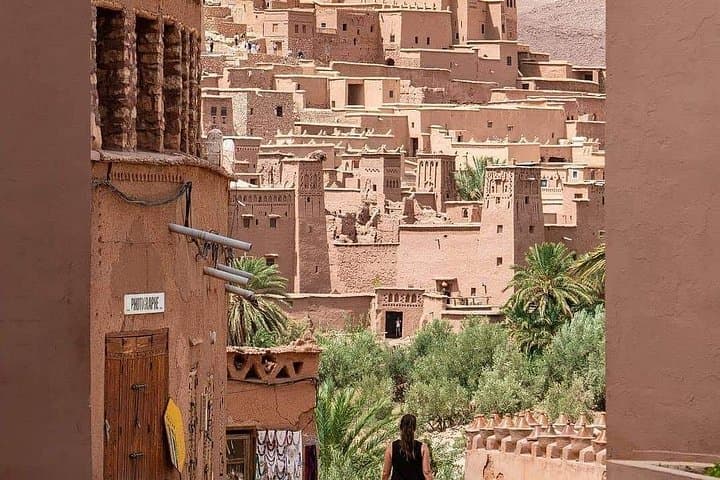
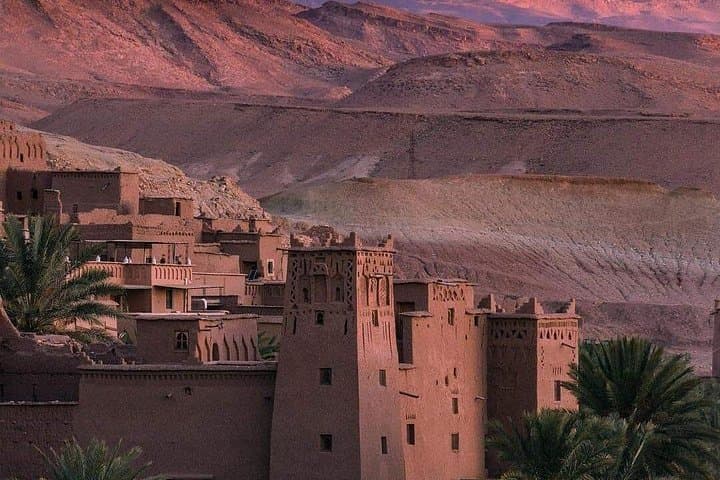
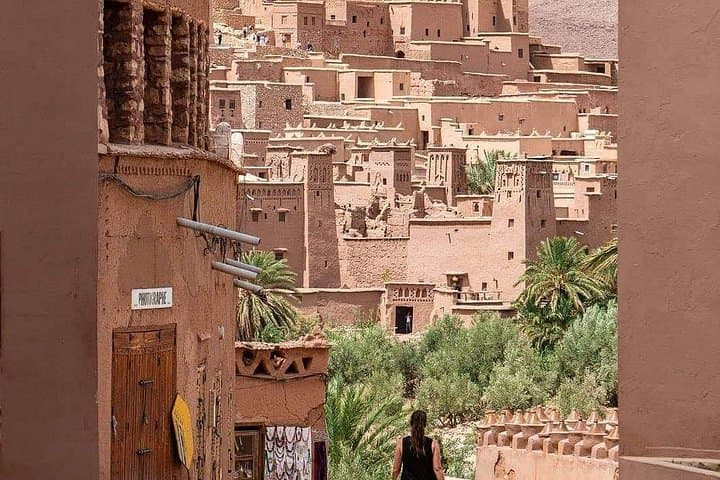
By midday the red mud kasbah of Aït Ben Haddou rises like a carved wall, a living relic of caravan trade and film sets. The route down sweeps through Ouarzazate and the Road of a Thousand Kasbahs into the Dades Valley, where river-cut canyons and terraced palms give way to the vertical cliffs of Todra Gorge.
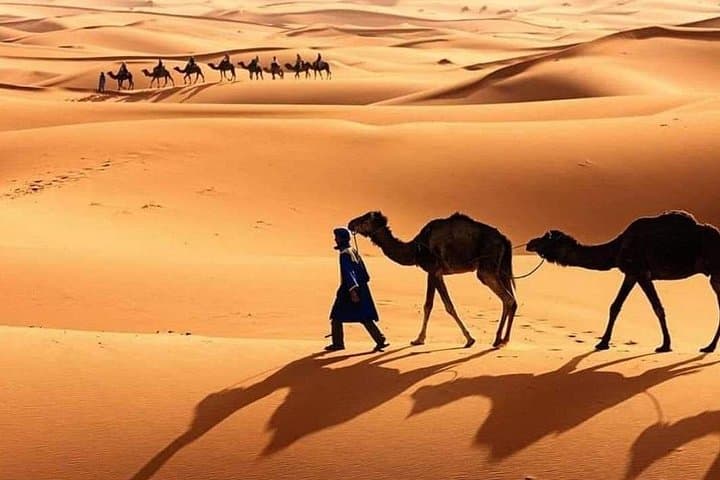
On day two the landscape slackens into golden corrugated dunes around Merzouga. Camels trace the ridgelines; silence here has weight. You arrive at a desert camp for tea and Berber music, sleep under a wide sky and wake early for a sunrise that remolds the dunes every hour.
The return crosses fossil-rich towns of Erfoud and the Tafilalet palm groves, passing Kasbah Tamnougalt and looping back over Tizi n’Tichka to Marrakech.
Practical side: expect long driving days with short walks and a single overnight in a desert bivouac. Pack layers — desert nights are cold, daytime intense — and bring a reusable water bottle, sun protection and comfortable shoes for dune walking and short canyon hikes. Camel rides are gentle but uneven; if you have spinal, heart or pregnancy concerns the trip isn’t recommended. Timing your travel for spring or autumn balances warmth and comfort, while summer brings extreme heat and winter early frosts at altitude.
Expect long driving legs: roughly 6–8 hours on day one to Dades, 4–5 hours day two to Merzouga (with stops), and a full return day of 8–9 hours back to Marrakech with sightseeing stops.
You’ll stay in a desert bivouac tent with basic bedding; luxury camps offer private tents and facilities—confirm level before booking.
Camel rides are generally gentle and available for most ages, but not recommended for those with spinal, heart issues or pregnant travelers; children often require adult supervision.
Two breakfasts and two dinners are included; operators can usually accommodate common dietary requests with advance notice—declare restrictions at booking.
Marrakech Expedition operates guided outdoor trips and adventures with an emphasis on safety, stewardship, and memorable experiences.
Morning in Marrakech feels electric — markets still humming, minarets catching light — and then you’re on the road, climbing the High Atlas where hairpin turns open toward Tizi n’Tichka at 2,260 m.
Morning in Marrakech feels electric — markets still humming, minarets catching light — and then you’re on the road, climbing the High Atlas where hairpin turns open toward Tizi n’Tichka at 2,260 m.
By midday the red mud kasbah of Aït Ben Haddou rises like a carved wall, a living relic of caravan trade and film sets. The route down sweeps through Ouarzazate and the Road of a Thousand Kasbahs into the Dades Valley, where river-cut canyons and terraced palms give way to the vertical cliffs of Todra Gorge.
On day two the landscape slackens into golden corrugated dunes around Merzouga. Camels trace the ridgelines; silence here has weight. You arrive at a desert camp for tea and Berber music, sleep under a wide sky and wake early for a sunrise that remolds the dunes every hour.
The return crosses fossil-rich towns of Erfoud and the Tafilalet palm groves, passing Kasbah Tamnougalt and looping back over Tizi n’Tichka to Marrakech.
Practical side: expect long driving days with short walks and a single overnight in a desert bivouac. Pack layers — desert nights are cold, daytime intense — and bring a reusable water bottle, sun protection and comfortable shoes for dune walking and short canyon hikes. Camel rides are gentle but uneven; if you have spinal, heart or pregnancy concerns the trip isn’t recommended. Timing your travel for spring or autumn balances warmth and comfort, while summer brings extreme heat and winter early frosts at altitude.