THE ADVENTURE COLLECTIVE® · Independent discovery and booking for outdoor travel

A three-day loop from Marrakech that follows the High Atlas over Tizi-n-Tichka to the dunes of Erg Chebbi. Expect kasbah visits, oasis landscapes, a camel crossing into a desert camp, and nights under big Sahara skies.
A three-day loop from Marrakech that follows the High Atlas over Tizi-n-Tichka to the dunes of Erg Chebbi. Expect kasbah visits, oasis landscapes, a camel crossing into a desert camp, and nights under big Sahara skies.
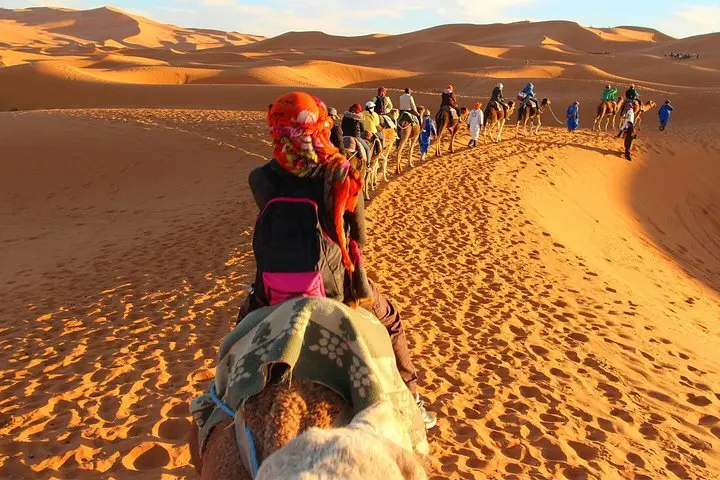
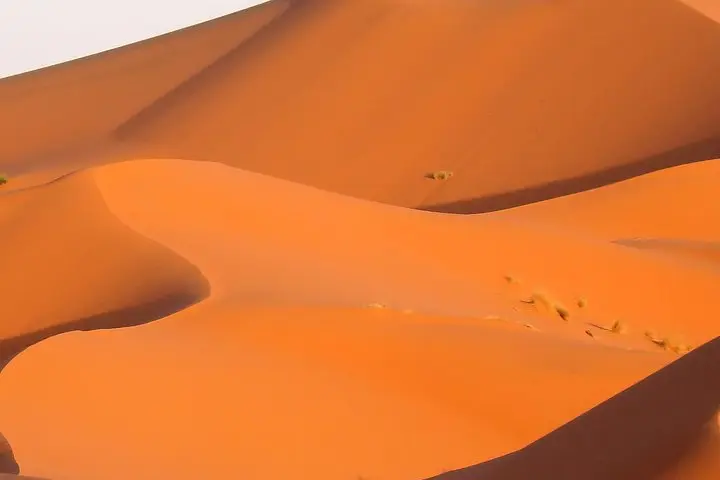
You step out of the minivan where dunes rise like softened waves, the late afternoon sun painting the sand in bands of gold and ochre. Camels wait with patient breaths; their slow rhythm becomes the metronome for the next two days as you cross into Erg Chebbi’s open sea of sand. Nights here are vast—stars press close and the cold edges sharpen at dawn.
Verified experiences and guided adventures in the surrounding area.
Operated by Ando Travel SARL · Merzouga, Errachidia Province
You step out of the minivan where dunes rise like softened waves, the late afternoon sun painting the sand in bands of gold and ochre. Camels wait with patient breaths; their slow rhythm becomes the metronome for the next two days as you cross into Erg Chebbi’s open sea of sand. Nights here are vast—stars press close and the cold edges sharpen at dawn.
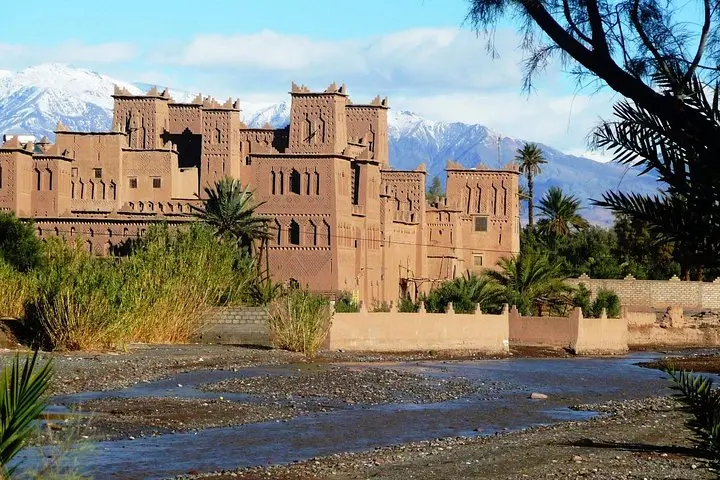
This route traces old caravan arteries and the foothills of the High Atlas. The itinerary threads Aït Benhaddou, a UNESCO kasbah that marks centuries of trade between sub-Saharan caravans and Mediterranean markets, then drops through palm oases and the fluted canyons of the Dades and Todra rivers. Geologically, Erg Chebbi is wind-worked Pleistocene sand; dunes shift by meters each year as winds push grains into new shapes. Culturally, the tour moves through Berber villages where households still follow seasonal patterns tied to grazing and water.
Practically: expect long drives over mountain passes and short guided walks; camel rides to camp cover uneven sand and last an hour or more depending on your dune camp. Overnight stays alternate between kasbah-style lodges and a desert bivouac with basic facilities. Bring layered clothing (temperatures swing), a reliable sun hat, and closed-toe shoes for dune edges. Hydrate frequently—desert air dries you without obvious sweat—and carry cash for small market purchases and tips.
Timing your sunrise walk or a quiet evening beside a Berber fire will be the most memorable parts: the landscape pushes and reshapes itself, and on this tour it will push you into a slower, clearer pace.
Camel rides are gentle but can be uncomfortable at first; rides typically last 30–90 minutes across soft sand and don’t require previous experience.
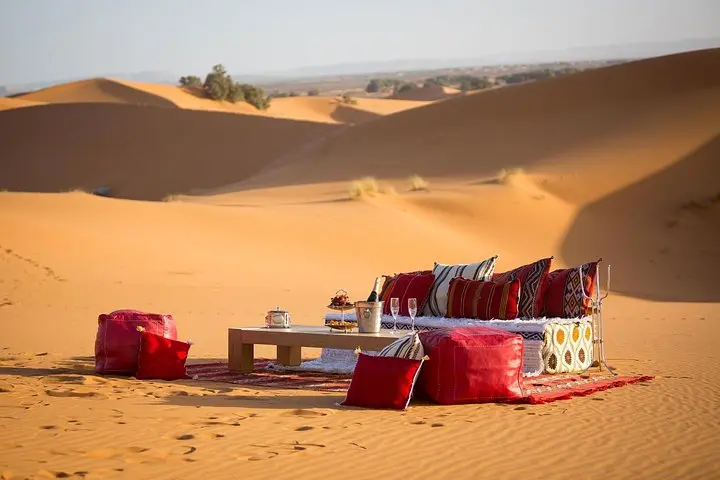
Camps provide basic, insulated tents or Berber-style bivouacs with mattresses and blankets; showers are usually at the lodge before or after the desert night.
The provider notes it’s not recommended for pregnant travelers; children can join but check camel ride safety and bring appropriate child seating and supervision.
Two dinners and two breakfasts are included; bring extra water for drives and daytime walks as you may need more than what’s provided.
Ando Travel SARL operates guided outdoor trips and adventures with an emphasis on safety, stewardship, and memorable experiences.
You step out of the minivan where dunes rise like softened waves, the late afternoon sun painting the sand in bands of gold and ochre. Camels wait with patient breaths; their slow rhythm becomes the metronome for the next two days as you cross into Erg Chebbi’s open sea of sand. Nights here are vast—stars press close and the cold edges sharpen at dawn.
You step out of the minivan where dunes rise like softened waves, the late afternoon sun painting the sand in bands of gold and ochre. Camels wait with patient breaths; their slow rhythm becomes the metronome for the next two days as you cross into Erg Chebbi’s open sea of sand. Nights here are vast—stars press close and the cold edges sharpen at dawn.
This route traces old caravan arteries and the foothills of the High Atlas. The itinerary threads Aït Benhaddou, a UNESCO kasbah that marks centuries of trade between sub-Saharan caravans and Mediterranean markets, then drops through palm oases and the fluted canyons of the Dades and Todra rivers. Geologically, Erg Chebbi is wind-worked Pleistocene sand; dunes shift by meters each year as winds push grains into new shapes. Culturally, the tour moves through Berber villages where households still follow seasonal patterns tied to grazing and water.
Practically: expect long drives over mountain passes and short guided walks; camel rides to camp cover uneven sand and last an hour or more depending on your dune camp. Overnight stays alternate between kasbah-style lodges and a desert bivouac with basic facilities. Bring layered clothing (temperatures swing), a reliable sun hat, and closed-toe shoes for dune edges. Hydrate frequently—desert air dries you without obvious sweat—and carry cash for small market purchases and tips.
Timing your sunrise walk or a quiet evening beside a Berber fire will be the most memorable parts: the landscape pushes and reshapes itself, and on this tour it will push you into a slower, clearer pace.