THE ADVENTURE COLLECTIVE® · Independent discovery and booking for outdoor travel

Ride camels across Erg Chebbi’s towering dunes, sleep under Berber tents and trace a route from the High Atlas to the Sahara. This 3-day tour blends film-worthy kasbahs, oasis stops and sunrise dune walks for a compact desert experience.
Ride camels across Erg Chebbi’s towering dunes, sleep under Berber tents and trace a route from the High Atlas to the Sahara. This 3-day tour blends film-worthy kasbahs, oasis stops and sunrise dune walks for a compact desert experience.
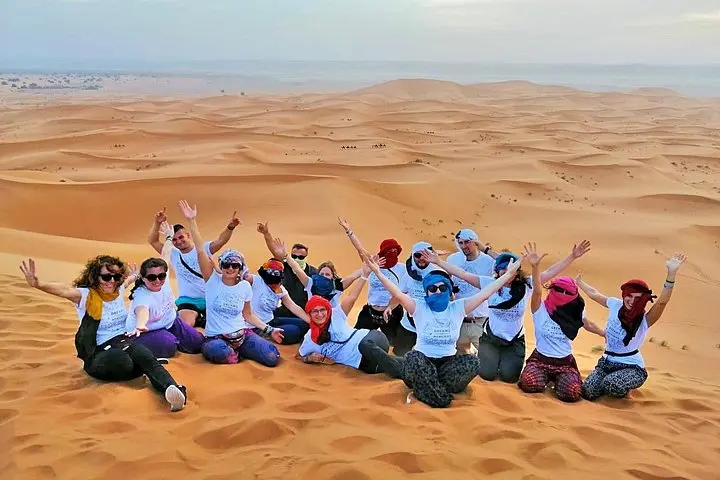
The sun drops slow and sure behind a line of dunes as your caravan becomes a row of moving silhouettes—camels padding through sand that keeps memory of every footprint. By dusk Erg Chebbi blazes from pale rose to molten orange; at night the stars feel close enough to touch and the campfire’s smoke pulls stories from the surrounding darkness.
Verified experiences and guided adventures in the surrounding area.
Operated by Great Travel Morocco · Merzouga, Drâa-Tafilalet
The sun drops slow and sure behind a line of dunes as your caravan becomes a row of moving silhouettes—camels padding through sand that keeps memory of every footprint. By dusk Erg Chebbi blazes from pale rose to molten orange; at night the stars feel close enough to touch and the campfire’s smoke pulls stories from the surrounding darkness.
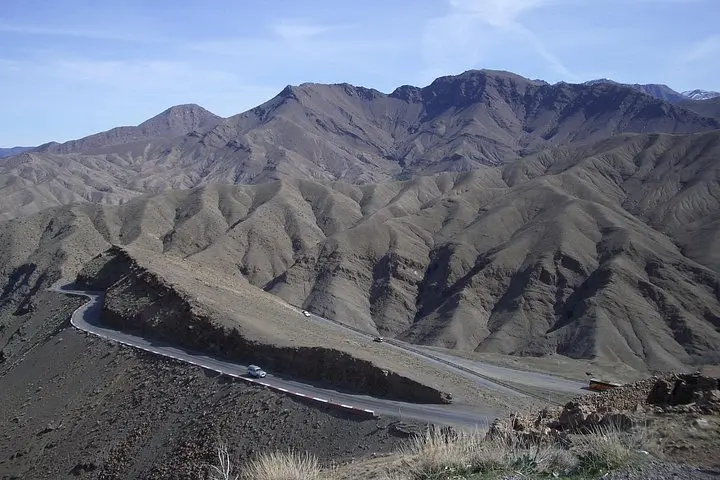
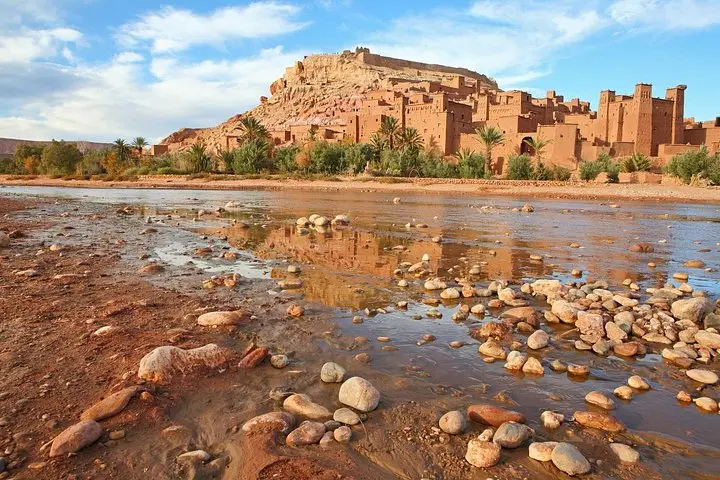
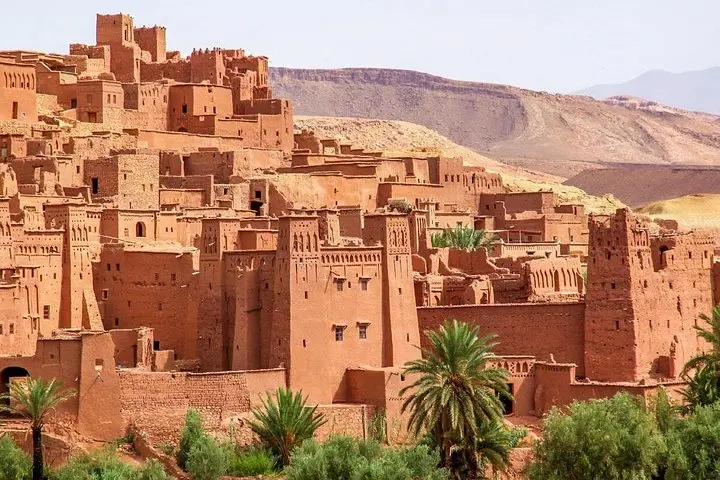
This three-day route threads Marrakech to Merzouga via the High Atlas, the fortified kasbahs of Ait Benhaddou (a UNESCO site), and the fragrant Valley of Roses. Geologically Erg Chebbi is a wind-sculpted sea of sand, with dunes that crest around 150–160 m and shift daily. Culturally the region is inhabited by Amazigh (Berber) communities whose living architecture—ksars and kasbahs—marks old caravan corridors between sub-Saharan trade routes and the Atlas highlands.
Expect long drives broken by photo stops, short oasis walks, and a guided trek by camel at sunset and sunrise (about 1.5 hours total). Nights alternate between basic local guesthouses and traditional Berber tents; mornings are best for sand walks while winds are light.
Practical notes: bring layered clothing for hot days and cold nights, a durable pair of closed shoes for rocky stops, and at least 2–3 liters of water per day. Sun protection is essential; carry cash for small purchases in villages. If you have spinal, heart, or pregnancy concerns, this trip is not recommended. With modest fitness and curiosity, this tour delivers a compact, sensory introduction to Morocco’s desert—its light, geology, and enduring human landscape.
The itinerary includes about 1 hour 30 minutes total on camels—typically a sunset ride into the dunes and a short sunrise ride out the next morning.
Options range from standard local guesthouses (basic amenities) to comfort (3-star equivalent) and VIP/luxury tented camps (5-star equivalent); the second night is typically in Berber-style tents.
No—this tour is not recommended for travelers with spinal injuries, serious heart conditions, or for pregnant travelers due to rough travel and camel riding.
Yes—two dinners and two breakfasts are included, along with air-conditioned transfers and pick-up/drop-off within the defined area; confirm any dietary needs when booking.
Great Travel Morocco operates guided outdoor trips and adventures with an emphasis on safety, stewardship, and memorable experiences.
The sun drops slow and sure behind a line of dunes as your caravan becomes a row of moving silhouettes—camels padding through sand that keeps memory of every footprint. By dusk Erg Chebbi blazes from pale rose to molten orange; at night the stars feel close enough to touch and the campfire’s smoke pulls stories from the surrounding darkness.
The sun drops slow and sure behind a line of dunes as your caravan becomes a row of moving silhouettes—camels padding through sand that keeps memory of every footprint. By dusk Erg Chebbi blazes from pale rose to molten orange; at night the stars feel close enough to touch and the campfire’s smoke pulls stories from the surrounding darkness.
This three-day route threads Marrakech to Merzouga via the High Atlas, the fortified kasbahs of Ait Benhaddou (a UNESCO site), and the fragrant Valley of Roses. Geologically Erg Chebbi is a wind-sculpted sea of sand, with dunes that crest around 150–160 m and shift daily. Culturally the region is inhabited by Amazigh (Berber) communities whose living architecture—ksars and kasbahs—marks old caravan corridors between sub-Saharan trade routes and the Atlas highlands.
Expect long drives broken by photo stops, short oasis walks, and a guided trek by camel at sunset and sunrise (about 1.5 hours total). Nights alternate between basic local guesthouses and traditional Berber tents; mornings are best for sand walks while winds are light.
Practical notes: bring layered clothing for hot days and cold nights, a durable pair of closed shoes for rocky stops, and at least 2–3 liters of water per day. Sun protection is essential; carry cash for small purchases in villages. If you have spinal, heart, or pregnancy concerns, this trip is not recommended. With modest fitness and curiosity, this tour delivers a compact, sensory introduction to Morocco’s desert—its light, geology, and enduring human landscape.