THE ADVENTURE COLLECTIVE® · Independent discovery and booking for outdoor travel

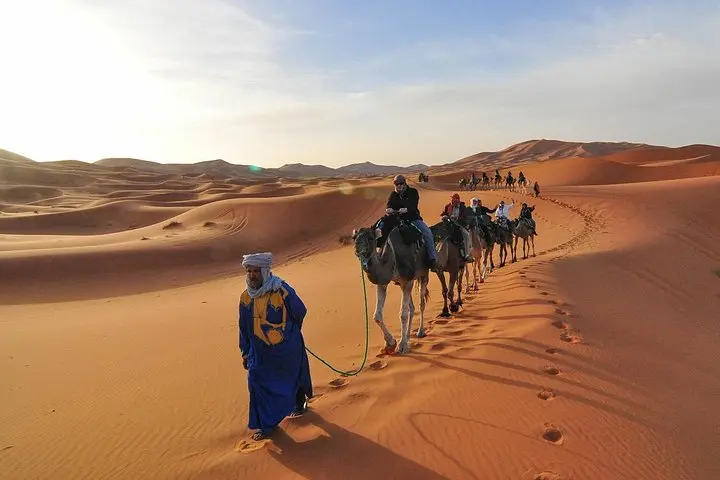
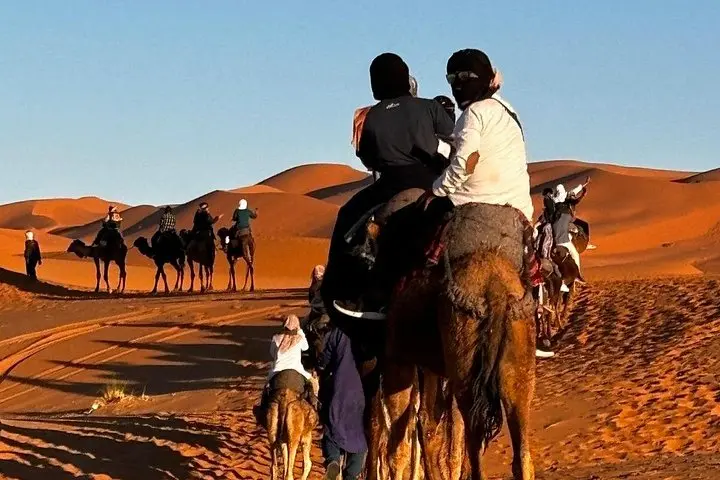
Cross the High Atlas and wake up inside Erg Chebbi’s vast dunes on a 3‑day journey from Marrakech. Sunset camel rides, a night in a Berber tent, and sunrise over rose‑gold sand are the highlights of this classic Sahara experience.
Cross the High Atlas and wake up inside Erg Chebbi’s vast dunes on a 3‑day journey from Marrakech. Sunset camel rides, a night in a Berber tent, and sunrise over rose‑gold sand are the highlights of this classic Sahara experience.
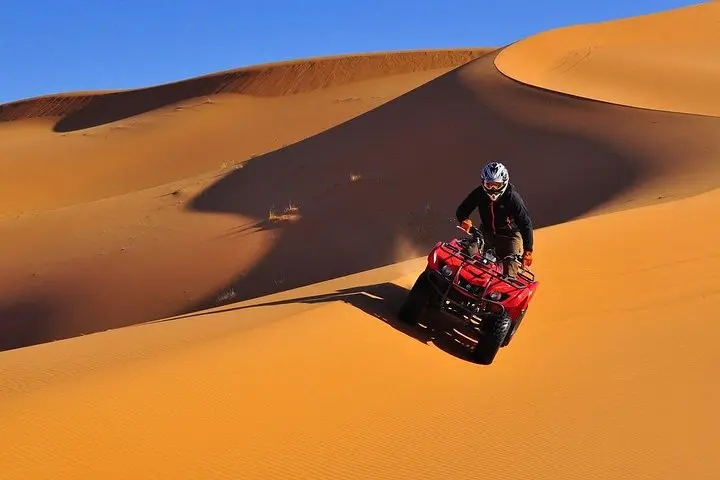
As the minibus slows, the last orange roofs of the town give way and the dunes rise — a rolling, living wall of sand that swallows the road. Golden ridges catch late light; wind‑sculpted crests throw long shadows while a solitary camel silhouette moves across the slope.
Verified experiences and guided adventures in the surrounding area.
Operated by Maaffar travel agency Morocco · Merzouga, Drâa-Tafilalet
As the minibus slows, the last orange roofs of the town give way and the dunes rise — a rolling, living wall of sand that swallows the road. Golden ridges catch late light; wind‑sculpted crests throw long shadows while a solitary camel silhouette moves across the slope.
Erg Chebbi’s dunes are young by geological standards, built from Saharan sands carried by persistent trade winds and trapped against the Atlas foothills. The route from Marrakech threads past the High Atlas, through Ait Ben Haddou and Ouarzazate, and into valleys where kasbahs and oasis palms mark old caravan corridors. Merzouga itself grew where water and trade met sand, and local Berber and Gnawa cultures still shape camp life, music, and cuisine.
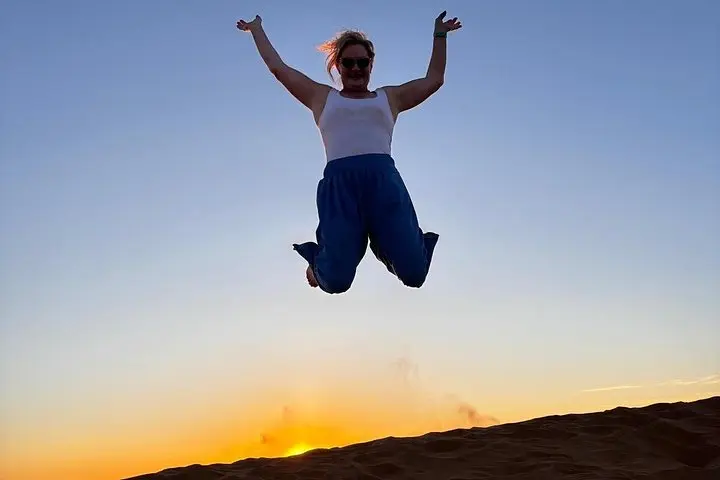
Nights in a Berber camp are practical ritual: shared tagines, a low tent to escape wind and cold, and music that marks the hours between stars. The dunes change color in minutes — rose gold at sunset, hard ochre at noon, then ink-black beneath a crystalline sky.
Practical guidance: typical itineraries are two nights in camp with sunset and sunrise camel rides. Expect soft sand underfoot, little shade, and large diurnal temperature swings — hot days and chilly nights. Carry 2–3 liters of water daily, high-SPF sun protection, a brimmed hat, and closed breathable shoes to keep sand out. Layers (light daywear and warm evening layers) and a small daypack for camera and snacks make the trip comfortable. Time your photography for late afternoon and early morning light, ask before photographing locals, and pack out what you bring to protect the dunes.
Moderate fitness is sufficient—riding is low‑impact but mounting/dismounting and walking on sand require basic mobility and balance.
Bring warm layers for night, a light sleeping liner if you prefer, toiletries, and any personal medications; most camps provide mattresses and blankets.
Guided camel rides are generally safe and supervised; this itinerary includes about 45–90 minutes for sunset and sunrise rides—follow guides’ instructions for mounting and riding.
Late afternoon through sunset and early morning around sunrise provide the most dramatic colors and softer light for photos.
Maaffar travel agency Morocco operates guided outdoor trips and adventures with an emphasis on safety, stewardship, and memorable experiences.
As the minibus slows, the last orange roofs of the town give way and the dunes rise — a rolling, living wall of sand that swallows the road. Golden ridges catch late light; wind‑sculpted crests throw long shadows while a solitary camel silhouette moves across the slope.
As the minibus slows, the last orange roofs of the town give way and the dunes rise — a rolling, living wall of sand that swallows the road. Golden ridges catch late light; wind‑sculpted crests throw long shadows while a solitary camel silhouette moves across the slope.
Erg Chebbi’s dunes are young by geological standards, built from Saharan sands carried by persistent trade winds and trapped against the Atlas foothills. The route from Marrakech threads past the High Atlas, through Ait Ben Haddou and Ouarzazate, and into valleys where kasbahs and oasis palms mark old caravan corridors. Merzouga itself grew where water and trade met sand, and local Berber and Gnawa cultures still shape camp life, music, and cuisine.
Nights in a Berber camp are practical ritual: shared tagines, a low tent to escape wind and cold, and music that marks the hours between stars. The dunes change color in minutes — rose gold at sunset, hard ochre at noon, then ink-black beneath a crystalline sky.
Practical guidance: typical itineraries are two nights in camp with sunset and sunrise camel rides. Expect soft sand underfoot, little shade, and large diurnal temperature swings — hot days and chilly nights. Carry 2–3 liters of water daily, high-SPF sun protection, a brimmed hat, and closed breathable shoes to keep sand out. Layers (light daywear and warm evening layers) and a small daypack for camera and snacks make the trip comfortable. Time your photography for late afternoon and early morning light, ask before photographing locals, and pack out what you bring to protect the dunes.