THE ADVENTURE COLLECTIVE® · Independent discovery and booking for outdoor travel

Cross the High Atlas, ride camels at sunset and sleep beneath an indifferent sweep of stars on this three-day route from Marrakech to the Erg Chebbi dunes. Expect long scenic drives, cultural stops at kasbahs, and a desert bivouac that highlights Saharan geology and Berber life.
Cross the High Atlas, ride camels at sunset and sleep beneath an indifferent sweep of stars on this three-day route from Marrakech to the Erg Chebbi dunes. Expect long scenic drives, cultural stops at kasbahs, and a desert bivouac that highlights Saharan geology and Berber life.
You crest the High Atlas at Tichka Pass and the air thins; the road unspools toward dunes that rise like waves frozen in sand.
Verified experiences and guided adventures in the surrounding area.
Operated by ToDiscoverMarrakech · Merzouga, Drâa-Tafilalet
You crest the High Atlas at Tichka Pass and the air thins; the road unspools toward dunes that rise like waves frozen in sand.
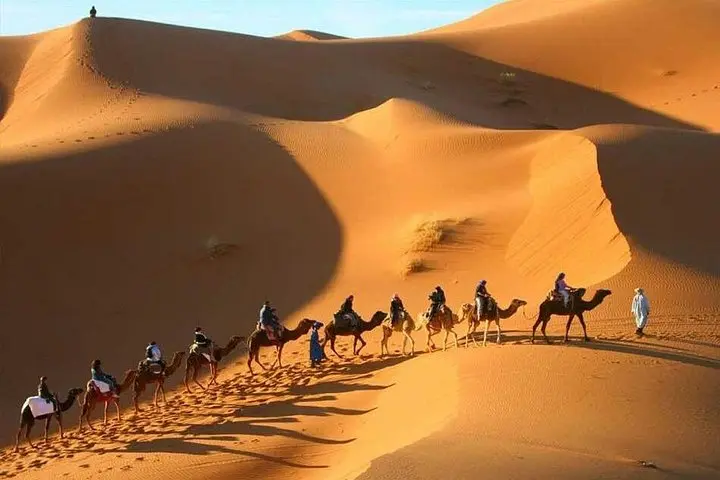
By the time the vehicle drops you at Erg Chebbi, camels are already shifting their weight against the slope — a slow, rhythmic motion that becomes your metronome as the sun slides gold across the ridgelines. Nights here are brutally clear: stars push through the cold, and the desert answers in hush.
Geology and history are on display along the route. The Tichka Pass (2,260 m) cuts through ancient folded rock while the Erg Chebbi dunes, formed by Saharan winds, extend for more than 100 km². Cultural stops include UNESCO-listed Ait Ben Haddou and the cinematic sets around Ouarzazate; farther east, the Dadès Valley and the Valley of Roses reveal irrigated oases and Berber settlements shaped by the desert’s scarcity.
Practical notes: the tour is driven over three long but scenic days, with a 1.5-hour camel trek at sunset and an overnight bivouac under the stars. Expect several hours of driving each day in an air-conditioned vehicle, hotel stays in Dades and a traditional desert camp in Merzouga. Bring layered clothing for big diurnal swings, closed-toe shoes for walking on coarse sand, and at least 1–2 liters of water per person for active hours. Plan to carry local cash for tips and purchases; phone signal is intermittent in remote stretches.
Timings favor autumn through spring to avoid peak summer heat, and modest fitness is all that’s required to enjoy dunes, kasbahs, and desert sky.
The organized camel trek lasts about 1.5 hours at sunset on day two, leading to the bivouac where you spend the night.
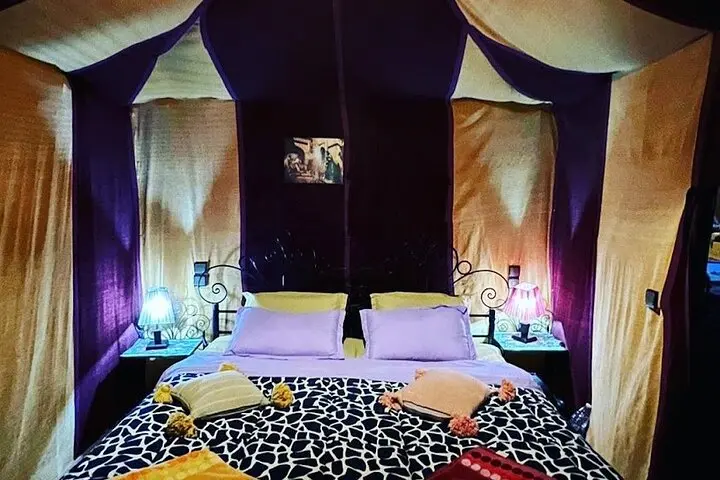
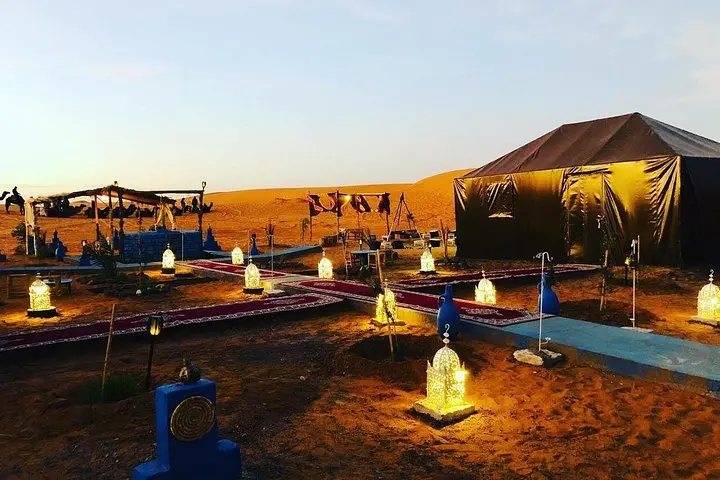
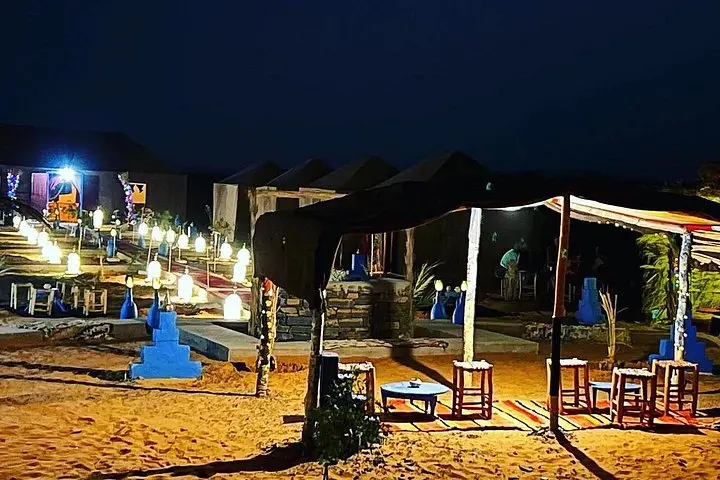
Camps are traditional desert bivouacs — simple but clean, often with shared facilities; dinner and breakfast are included.
The tour is advertised as accessible to a wide range of fitness levels, but dunes and camels require some mobility; contact the operator about wheelchair needs or very young children.
Carry your passport for identification, and Moroccan dirhams for small purchases and tips; major cards are accepted at some hotels but not in remote areas.
ToDiscoverMarrakech operates guided outdoor trips and adventures with an emphasis on safety, stewardship, and memorable experiences.
You crest the High Atlas at Tichka Pass and the air thins; the road unspools toward dunes that rise like waves frozen in sand.
You crest the High Atlas at Tichka Pass and the air thins; the road unspools toward dunes that rise like waves frozen in sand.
By the time the vehicle drops you at Erg Chebbi, camels are already shifting their weight against the slope — a slow, rhythmic motion that becomes your metronome as the sun slides gold across the ridgelines. Nights here are brutally clear: stars push through the cold, and the desert answers in hush.
Geology and history are on display along the route. The Tichka Pass (2,260 m) cuts through ancient folded rock while the Erg Chebbi dunes, formed by Saharan winds, extend for more than 100 km². Cultural stops include UNESCO-listed Ait Ben Haddou and the cinematic sets around Ouarzazate; farther east, the Dadès Valley and the Valley of Roses reveal irrigated oases and Berber settlements shaped by the desert’s scarcity.
Practical notes: the tour is driven over three long but scenic days, with a 1.5-hour camel trek at sunset and an overnight bivouac under the stars. Expect several hours of driving each day in an air-conditioned vehicle, hotel stays in Dades and a traditional desert camp in Merzouga. Bring layered clothing for big diurnal swings, closed-toe shoes for walking on coarse sand, and at least 1–2 liters of water per person for active hours. Plan to carry local cash for tips and purchases; phone signal is intermittent in remote stretches.
Timings favor autumn through spring to avoid peak summer heat, and modest fitness is all that’s required to enjoy dunes, kasbahs, and desert sky.