THE ADVENTURE COLLECTIVE® · Independent discovery and booking for outdoor travel

Travel from Marrakech across the High Atlas to Erg Chebbi for a three-day desert experience combining Ait Ben Haddou, Todra Gorge, camel treks and a night in a Berber tent. Expect long scenic drives, short hikes, and dramatic dune sunrises.
Travel from Marrakech across the High Atlas to Erg Chebbi for a three-day desert experience combining Ait Ben Haddou, Todra Gorge, camel treks and a night in a Berber tent. Expect long scenic drives, short hikes, and dramatic dune sunrises.
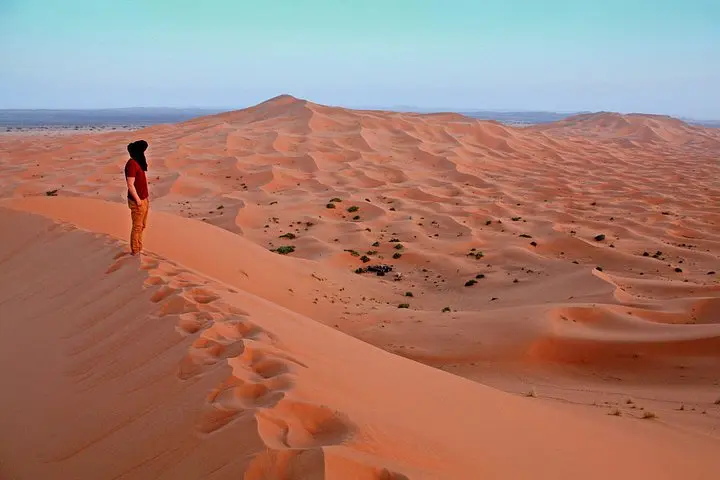
Dawn breaks over the High Atlas as your vehicle winds up Tizi n'Tichka and the city noise thins to wind and stone. By mid-afternoon the ochre walls of Ait Ben Haddou rise from the valley like a living film set; farther east, the landscape loosens into palm oases and finally the sweeping ridges of Erg Chebbi, where the dunes breathe color into sunset and dawn.
Verified experiences and guided adventures in the surrounding area.
Operated by Moroccan Desert Tourism · Merzouga, Drâa-Tafilalet
Dawn breaks over the High Atlas as your vehicle winds up Tizi n'Tichka and the city noise thins to wind and stone. By mid-afternoon the ochre walls of Ait Ben Haddou rise from the valley like a living film set; farther east, the landscape loosens into palm oases and finally the sweeping ridges of Erg Chebbi, where the dunes breathe color into sunset and dawn.
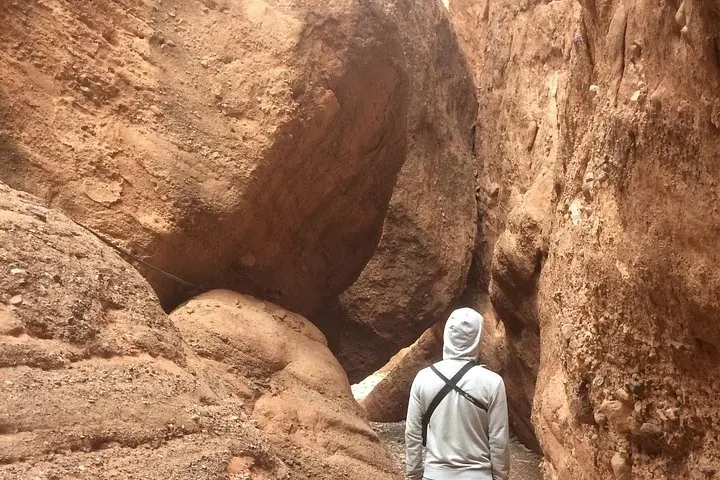
This three-day loop links Marrakech with the deep south: a UNESCO ksar at Ait Ben Haddou, the sculpted canyons of Todra Gorge, and the nomad-run camps of Merzouga. Geologically, the Erg Chebbi dunes are wind-formed Seif dunes of fine Saharan sand sitting above Jurassic and Cretaceous sedimentary rocks that frame the oases. Culturally, the route crosses Berber communities whose kasbahs and caravan histories reflect centuries of trans-Saharan trade.
Expect long drives punctuated by short hikes, market stops, and guided visits; the highlight is an hour-plus camel trek into the dunes to catch sunset, and a sunrise return that casts the sand in sharp relief. Camp nights are under traditional Berber tents with communal dinners and local music.
Practical notes: pack layered clothing for hot days and cold desert nights, bring sun protection and at least 2–3 liters of water per day, and wear sturdy shoes for short walks on rocky tracks and sand. If you’re prone to motion sickness, choose a front seat for Atlas passes. The itinerary is low on technical challenge but high on exposure to sun and dust—plan for simple comforts and strong camera batteries.
The tour includes an hour-long camel caravan into the dunes at sunset and a sunrise return—enough to reach a remote camp and experience dune travel without long treks.
Yes—two dinners and breakfasts are provided, plus one night in a desert Berber tent and one night in a hotel in the Dades Valley (as per itinerary).
The operator notes the tour is accessible for most fitness levels and wheelchair-accessible options are available for parts of the route, but camel riding and dune walking require some mobility.
Spring and fall offer the most comfortable temperatures; winter mornings can be very cold and summer days can be extremely hot—adjust clothing accordingly.
Moroccan Desert Tourism operates guided outdoor trips and adventures with an emphasis on safety, stewardship, and memorable experiences.
Dawn breaks over the High Atlas as your vehicle winds up Tizi n'Tichka and the city noise thins to wind and stone. By mid-afternoon the ochre walls of Ait Ben Haddou rise from the valley like a living film set; farther east, the landscape loosens into palm oases and finally the sweeping ridges of Erg Chebbi, where the dunes breathe color into sunset and dawn.
Dawn breaks over the High Atlas as your vehicle winds up Tizi n'Tichka and the city noise thins to wind and stone. By mid-afternoon the ochre walls of Ait Ben Haddou rise from the valley like a living film set; farther east, the landscape loosens into palm oases and finally the sweeping ridges of Erg Chebbi, where the dunes breathe color into sunset and dawn.
This three-day loop links Marrakech with the deep south: a UNESCO ksar at Ait Ben Haddou, the sculpted canyons of Todra Gorge, and the nomad-run camps of Merzouga. Geologically, the Erg Chebbi dunes are wind-formed Seif dunes of fine Saharan sand sitting above Jurassic and Cretaceous sedimentary rocks that frame the oases. Culturally, the route crosses Berber communities whose kasbahs and caravan histories reflect centuries of trans-Saharan trade.
Expect long drives punctuated by short hikes, market stops, and guided visits; the highlight is an hour-plus camel trek into the dunes to catch sunset, and a sunrise return that casts the sand in sharp relief. Camp nights are under traditional Berber tents with communal dinners and local music.
Practical notes: pack layered clothing for hot days and cold desert nights, bring sun protection and at least 2–3 liters of water per day, and wear sturdy shoes for short walks on rocky tracks and sand. If you’re prone to motion sickness, choose a front seat for Atlas passes. The itinerary is low on technical challenge but high on exposure to sun and dust—plan for simple comforts and strong camera batteries.