THE ADVENTURE COLLECTIVE® · Independent discovery and booking for outdoor travel

A compact, three-day safari from Dar es Salaam that combines an evening drive with a full-day game drive in Mikumi National Park. Ideal for travelers who want dense wildlife viewing without long overland transfers.
A compact, three-day safari from Dar es Salaam that combines an evening drive with a full-day game drive in Mikumi National Park. Ideal for travelers who want dense wildlife viewing without long overland transfers.
Dust from the highway clears and a wide savanna opens — acacia silhouettes against a high, pale sky. On a 3-day loop from Dar es Salaam, the road pushes west until Mikumi National Park takes over: flat grass plains broken by koppies, a slow river that seems to dare you to look closer, and the occasional herd rearranging the horizon.
Verified experiences and guided adventures in the surrounding area.
Operated by Busungu Tours and Safaris · Mikumi, Morogoro Region
Dust from the highway clears and a wide savanna opens — acacia silhouettes against a high, pale sky. On a 3-day loop from Dar es Salaam, the road pushes west until Mikumi National Park takes over: flat grass plains broken by koppies, a slow river that seems to dare you to look closer, and the occasional herd rearranging the horizon.
Mikumi was set aside in the 1960s as part of Tanzania’s effort to protect its southern wildlife corridors. The park sits at the edge of the Uluguru and Rubeho mountain ranges, where seasonal floods shape the Mkata floodplain and concentrate animals in predictable places. Local communities around the park are Maasai and other agro-pastoral groups; tourism income supports lodges and guides who read animal tracks the way farmers read rain.
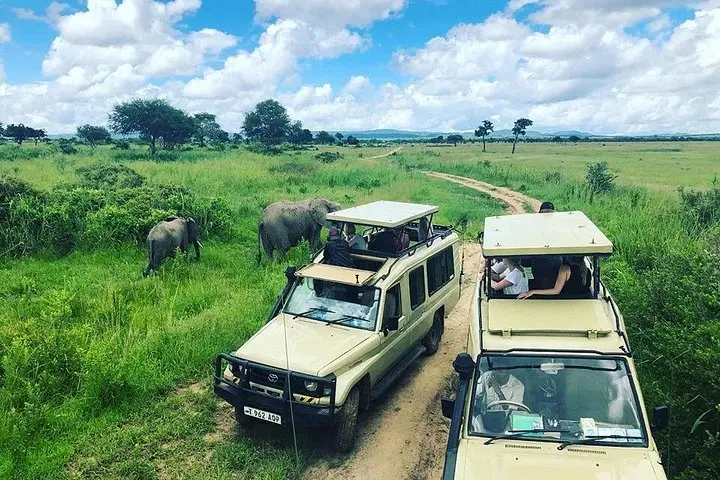
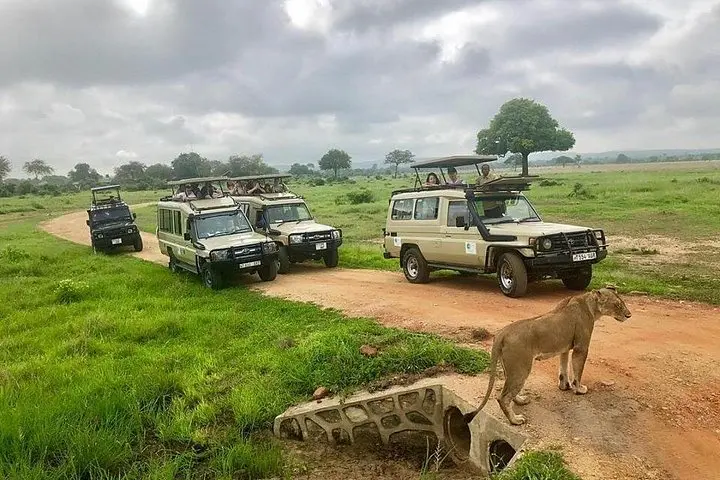
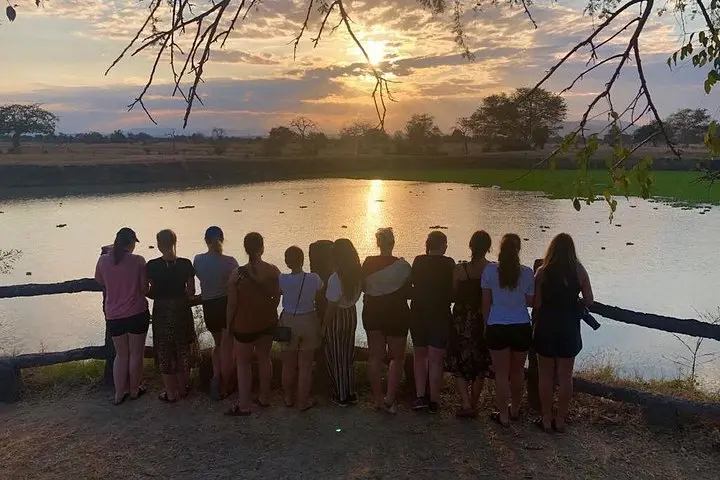
Expect two game-drive days: an evening drive on arrival to catch the last light, a full-day drive the next day with a picnic lunch, then a morning return to Dar. Typical sightings include elephants moving across plains, giraffes browsing acacia crowns, zebra and impala in mixed herds, and hippos in rivers. Birdwatchers will find over 400 species if they bring patience and optics.
Practical edge: start drives at dawn and late afternoon when animals are active, carry sun protection and refillable water, and leave long lenses and sturdy binoculars within reach. Roads inside the park are 2WD-friendly but bumpy — pack motion-sickness remedies. Respect park rules, stay in your vehicle during drives, and budget for park fees and guide gratuities. With basic preparation, this short safari balances big-sky views and high wildlife density in an easily reachable three-day window.
The transfer is about 4–5 hours (roughly 300 km) depending on traffic and road conditions, with brief rest stops en route.
Check your booking inclusions; typical packages include transport, two lunches and dinners, accommodation and park access but confirm before travel.
Children can join but parents should prepare for long vehicle hours; travelers with serious back or heart conditions are advised against the trip due to limited medical access.
The dry season generally offers the most concentrated wildlife sightings, especially June–October, though birds and some species are visible year-round.
Busungu Tours and Safaris operates guided outdoor trips and adventures with an emphasis on safety, stewardship, and memorable experiences.
Dust from the highway clears and a wide savanna opens — acacia silhouettes against a high, pale sky. On a 3-day loop from Dar es Salaam, the road pushes west until Mikumi National Park takes over: flat grass plains broken by koppies, a slow river that seems to dare you to look closer, and the occasional herd rearranging the horizon.
Dust from the highway clears and a wide savanna opens — acacia silhouettes against a high, pale sky. On a 3-day loop from Dar es Salaam, the road pushes west until Mikumi National Park takes over: flat grass plains broken by koppies, a slow river that seems to dare you to look closer, and the occasional herd rearranging the horizon.
Mikumi was set aside in the 1960s as part of Tanzania’s effort to protect its southern wildlife corridors. The park sits at the edge of the Uluguru and Rubeho mountain ranges, where seasonal floods shape the Mkata floodplain and concentrate animals in predictable places. Local communities around the park are Maasai and other agro-pastoral groups; tourism income supports lodges and guides who read animal tracks the way farmers read rain.
Expect two game-drive days: an evening drive on arrival to catch the last light, a full-day drive the next day with a picnic lunch, then a morning return to Dar. Typical sightings include elephants moving across plains, giraffes browsing acacia crowns, zebra and impala in mixed herds, and hippos in rivers. Birdwatchers will find over 400 species if they bring patience and optics.
Practical edge: start drives at dawn and late afternoon when animals are active, carry sun protection and refillable water, and leave long lenses and sturdy binoculars within reach. Roads inside the park are 2WD-friendly but bumpy — pack motion-sickness remedies. Respect park rules, stay in your vehicle during drives, and budget for park fees and guide gratuities. With basic preparation, this short safari balances big-sky views and high wildlife density in an easily reachable three-day window.