THE ADVENTURE COLLECTIVE® · Independent discovery and booking for outdoor travel

Spend three days trekking 40 km through the remote Mnweni sector of the Drakensberg, camping two nights and sleeping once in a cliff-edge cave. Expect steep climbs, alpine weather, and dramatic escarpment views—this is remote, high-altitude hiking.
Spend three days trekking 40 km through the remote Mnweni sector of the Drakensberg, camping two nights and sleeping once in a cliff-edge cave. Expect steep climbs, alpine weather, and dramatic escarpment views—this is remote, high-altitude hiking.
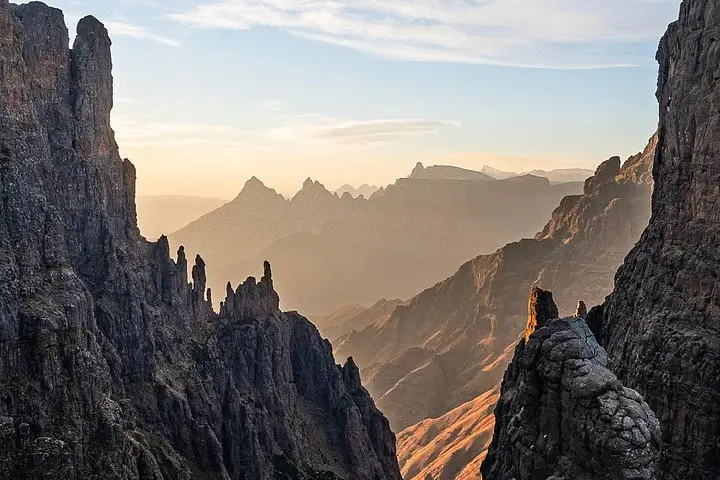
Dawn breaks cold and thin above the escarpment; your breath fogs as the trail climbs from a braided mountain stream toward a cliff-lined cave where you'll sleep the second night. The Mnweni area of the Drakensberg opens like a folded map—steep ridgelines, grassy plateaus and narrow gullies that direct every step and view.
Verified experiences and guided adventures in the surrounding area.
Operated by Soul Adventures · Bergville, KwaZulu-Natal
Dawn breaks cold and thin above the escarpment; your breath fogs as the trail climbs from a braided mountain stream toward a cliff-lined cave where you'll sleep the second night. The Mnweni area of the Drakensberg opens like a folded map—steep ridgelines, grassy plateaus and narrow gullies that direct every step and view.
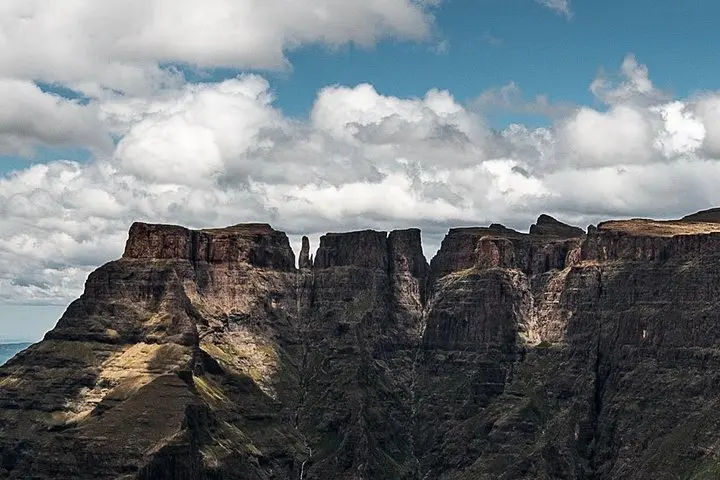
This is a place shaped by basalt flows and erosion: sheer cliffs cut from volcanic rock, glaciers long gone but visible in U-shaped valleys and high amphitheatres. The Drakensberg has long been a boundary and a home—San rock art dots certain overhangs, and Basotho and Zulu histories overlap in these high pastures.
On this three-day route you cover roughly 40 km with a high point near 3,100 m, camping two nights in tents and one night in a cliff cave that peers over the valleys. Trails are a mix of narrow footpaths, rocky switchbacks and grassy plateaus; water is available from streams but should be treated.
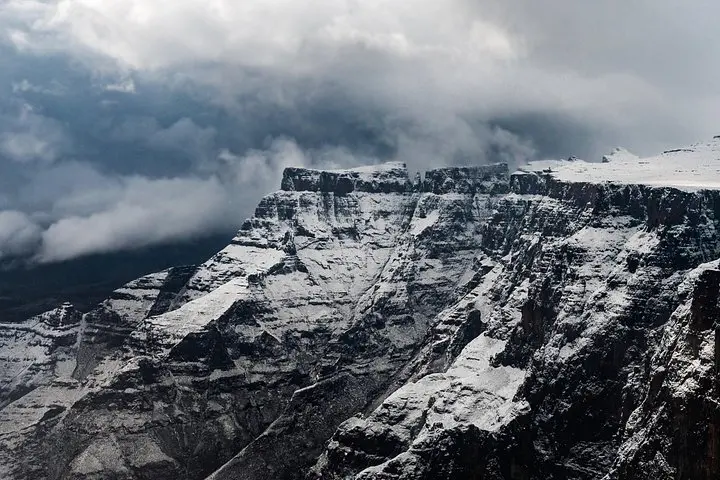
Practical edge: expect remote navigation, sudden weather swings and long daypacks that include a warm layer, shelter and rain protection. Pace your climbs, drink frequently—the altitude and steepness will amplify effort—and plan for minimal cell coverage.
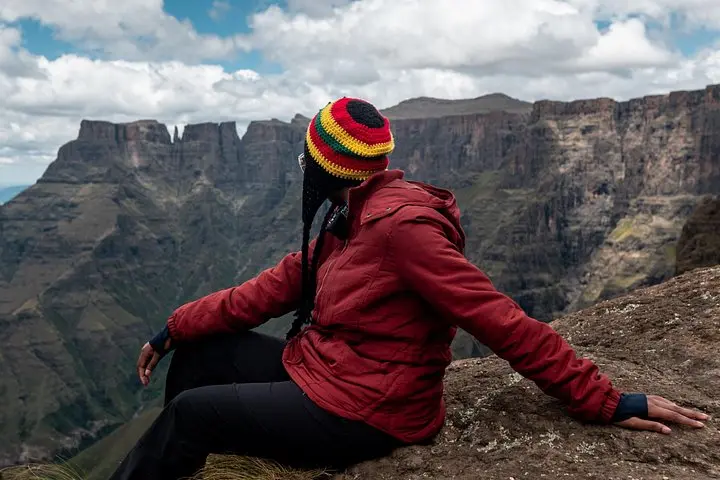
This hike rewards patience: empty ridgelines, close views of raptors, and a night under stone where the escarpment seems to hold you in place. Treat the route like true backcountry travel—light on impact, heavy on respect for weather and water.
Yes—hiking permits are typically required for overnight stays in the Drakensberg and are included with many guided trips; check with your operator or local park authorities.
Very remote—sections of the Mnweni circuit can be empty for the entire trek; expect minimal infrastructure and limited contact with others.
No—treat all stream water with a filter, UV purifier or chemical treatment to avoid waterborne illness.
This route suits hikers comfortable with multi-day backcountry travel, carrying a full pack, basic route-finding, and coping with rapid weather changes.
Soul Adventures operates guided outdoor trips and adventures with an emphasis on safety, stewardship, and memorable experiences.
Dawn breaks cold and thin above the escarpment; your breath fogs as the trail climbs from a braided mountain stream toward a cliff-lined cave where you'll sleep the second night. The Mnweni area of the Drakensberg opens like a folded map—steep ridgelines, grassy plateaus and narrow gullies that direct every step and view.
Dawn breaks cold and thin above the escarpment; your breath fogs as the trail climbs from a braided mountain stream toward a cliff-lined cave where you'll sleep the second night. The Mnweni area of the Drakensberg opens like a folded map—steep ridgelines, grassy plateaus and narrow gullies that direct every step and view.
This is a place shaped by basalt flows and erosion: sheer cliffs cut from volcanic rock, glaciers long gone but visible in U-shaped valleys and high amphitheatres. The Drakensberg has long been a boundary and a home—San rock art dots certain overhangs, and Basotho and Zulu histories overlap in these high pastures.
On this three-day route you cover roughly 40 km with a high point near 3,100 m, camping two nights in tents and one night in a cliff cave that peers over the valleys. Trails are a mix of narrow footpaths, rocky switchbacks and grassy plateaus; water is available from streams but should be treated.
Practical edge: expect remote navigation, sudden weather swings and long daypacks that include a warm layer, shelter and rain protection. Pace your climbs, drink frequently—the altitude and steepness will amplify effort—and plan for minimal cell coverage.
This hike rewards patience: empty ridgelines, close views of raptors, and a night under stone where the escarpment seems to hold you in place. Treat the route like true backcountry travel—light on impact, heavy on respect for weather and water.