THE ADVENTURE COLLECTIVE® · Independent discovery and booking for outdoor travel
Float through reed channels in a traditional mokoro, camp on Boro Island, and learn Bayei Delta skills from local guides. This three-day mix of paddling, walks, and campfire evenings is a focused Okavango immersion for moderately fit travelers.
Float through reed channels in a traditional mokoro, camp on Boro Island, and learn Bayei Delta skills from local guides. This three-day mix of paddling, walks, and campfire evenings is a focused Okavango immersion for moderately fit travelers.
Before dawn the delta exhales. A narrow mokoro slips through reed-stitched channels, poler shifting weight as fish-silver reflections break and reform. By midmorning you step ashore at a lantern-lit campsite on Boro Island, where hippos grumble in distant lagoons and reed frogs punctuate the quiet.
Verified experiences and guided adventures in the surrounding area.
Operated by Boteti Tented Safari Lodge · Maun, North-West
Before dawn the delta exhales. A narrow mokoro slips through reed-stitched channels, poler shifting weight as fish-silver reflections break and reform. By midmorning you step ashore at a lantern-lit campsite on Boro Island, where hippos grumble in distant lagoons and reed frogs punctuate the quiet.
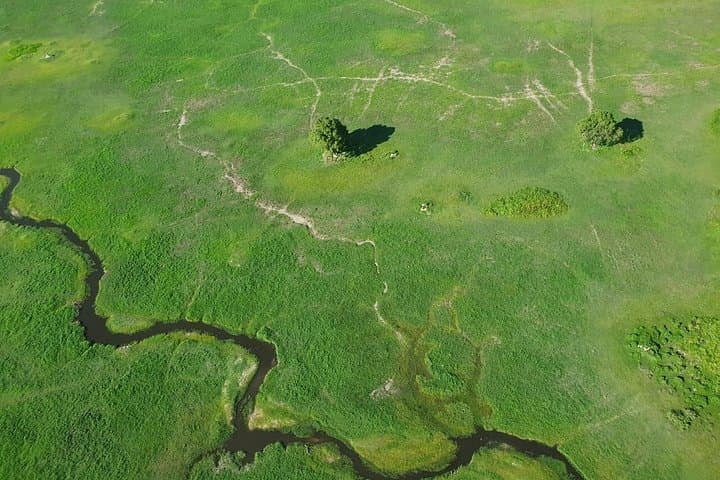
The Okavango is an inland delta shaped by annual floods that fan through sandy islands and reed beds. The Bayei people—often called “people of the Delta”—have poling traditions here; guides share plant uses, bird calls, and practical ways to live with seasonal water. Geologically this is a flat, alluvial landscape: slow water, peat soils, and channels that change course with each flood year.
Days alternate between low-impact mokoro travel and guided nature walks. Expect close-up birding, clues of elephant on sandy shores, and the chemistry of swamp and dry land meeting. Evenings are practical and social: shared meals, a campfire under wide skies, and simple, comfortable tents with bed linen provided.
For planning: pack light, bring quick-dry layers and a daypack for walks, and time activities around the heat—mornings and late afternoons are best for wildlife. Hydration matters; carry water and a refillable bottle. Footwear should handle muddy flats and short grass. Respect wildlife distances and follow your guide—animals move unpredictably near water.
This trip balances slow-water paddling with guided tracking and cultural interpretation—a compact wilderness immersion geared to travelers comfortable with basic camping and moderate activity.
A mokoro is a traditional dugout canoe usually guided by a local poler—guests sit while the poler propels and steers; no poling skill required.
Children can join but must be steady boarding mokoros and supervised; check age and safety policies with the operator.
Camping equipment, bed linen, meals as listed, drinking water, transfers from Maun, and guided activities are included—confirm details at booking.
Guides aim to keep safe viewing distances; expect close sightings along channels and shores but maintain distance and follow guide instructions.
Boteti Tented Safari Lodge operates guided outdoor trips and adventures with an emphasis on safety, stewardship, and memorable experiences.
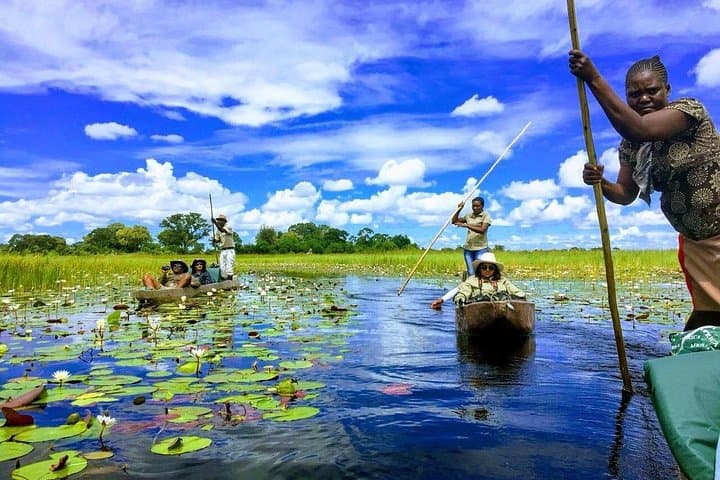
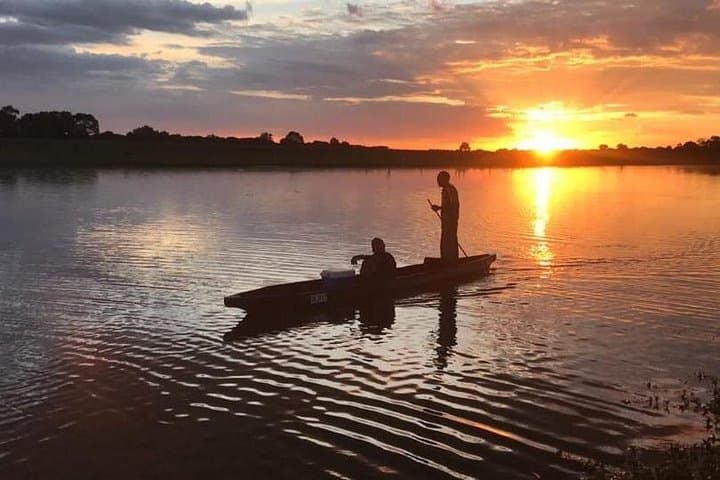
Before dawn the delta exhales. A narrow mokoro slips through reed-stitched channels, poler shifting weight as fish-silver reflections break and reform. By midmorning you step ashore at a lantern-lit campsite on Boro Island, where hippos grumble in distant lagoons and reed frogs punctuate the quiet.
Before dawn the delta exhales. A narrow mokoro slips through reed-stitched channels, poler shifting weight as fish-silver reflections break and reform. By midmorning you step ashore at a lantern-lit campsite on Boro Island, where hippos grumble in distant lagoons and reed frogs punctuate the quiet.
The Okavango is an inland delta shaped by annual floods that fan through sandy islands and reed beds. The Bayei people—often called “people of the Delta”—have poling traditions here; guides share plant uses, bird calls, and practical ways to live with seasonal water. Geologically this is a flat, alluvial landscape: slow water, peat soils, and channels that change course with each flood year.
Days alternate between low-impact mokoro travel and guided nature walks. Expect close-up birding, clues of elephant on sandy shores, and the chemistry of swamp and dry land meeting. Evenings are practical and social: shared meals, a campfire under wide skies, and simple, comfortable tents with bed linen provided.
For planning: pack light, bring quick-dry layers and a daypack for walks, and time activities around the heat—mornings and late afternoons are best for wildlife. Hydration matters; carry water and a refillable bottle. Footwear should handle muddy flats and short grass. Respect wildlife distances and follow your guide—animals move unpredictably near water.
This trip balances slow-water paddling with guided tracking and cultural interpretation—a compact wilderness immersion geared to travelers comfortable with basic camping and moderate activity.
